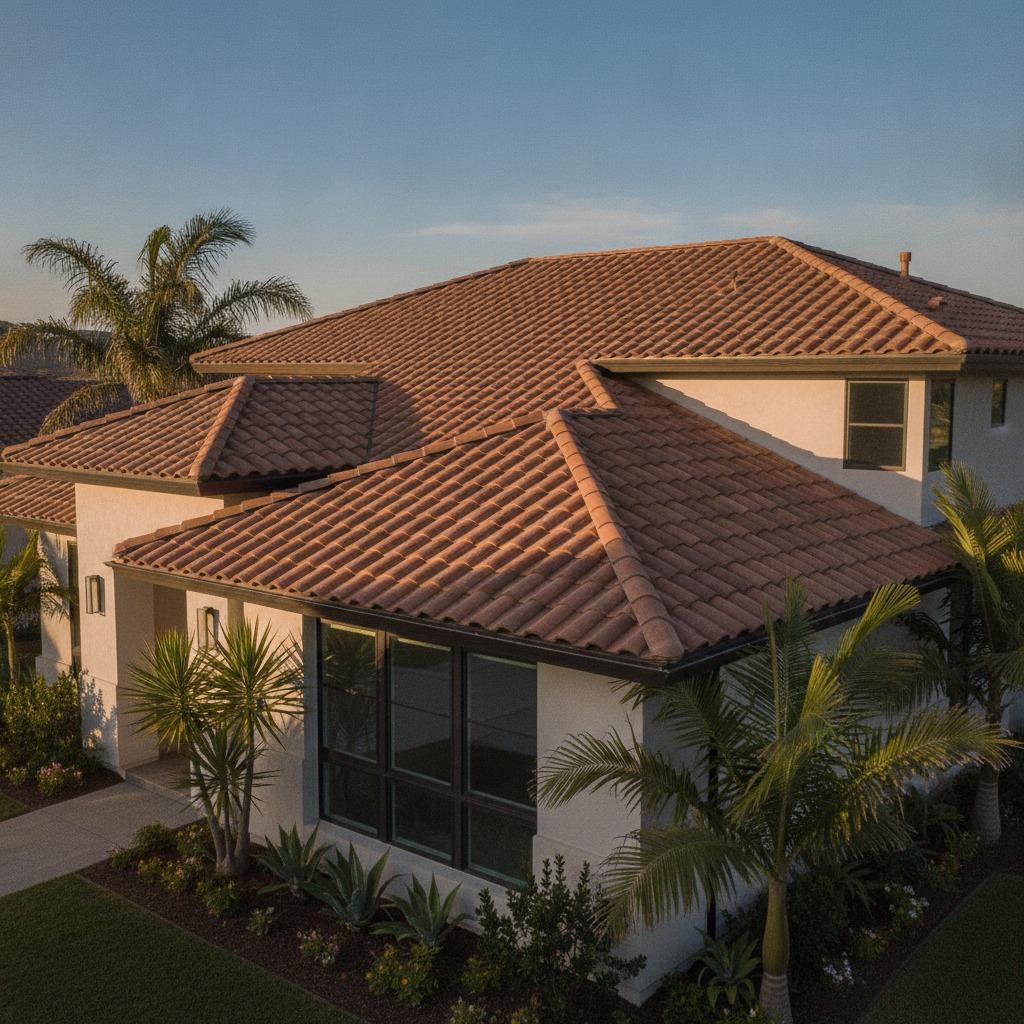
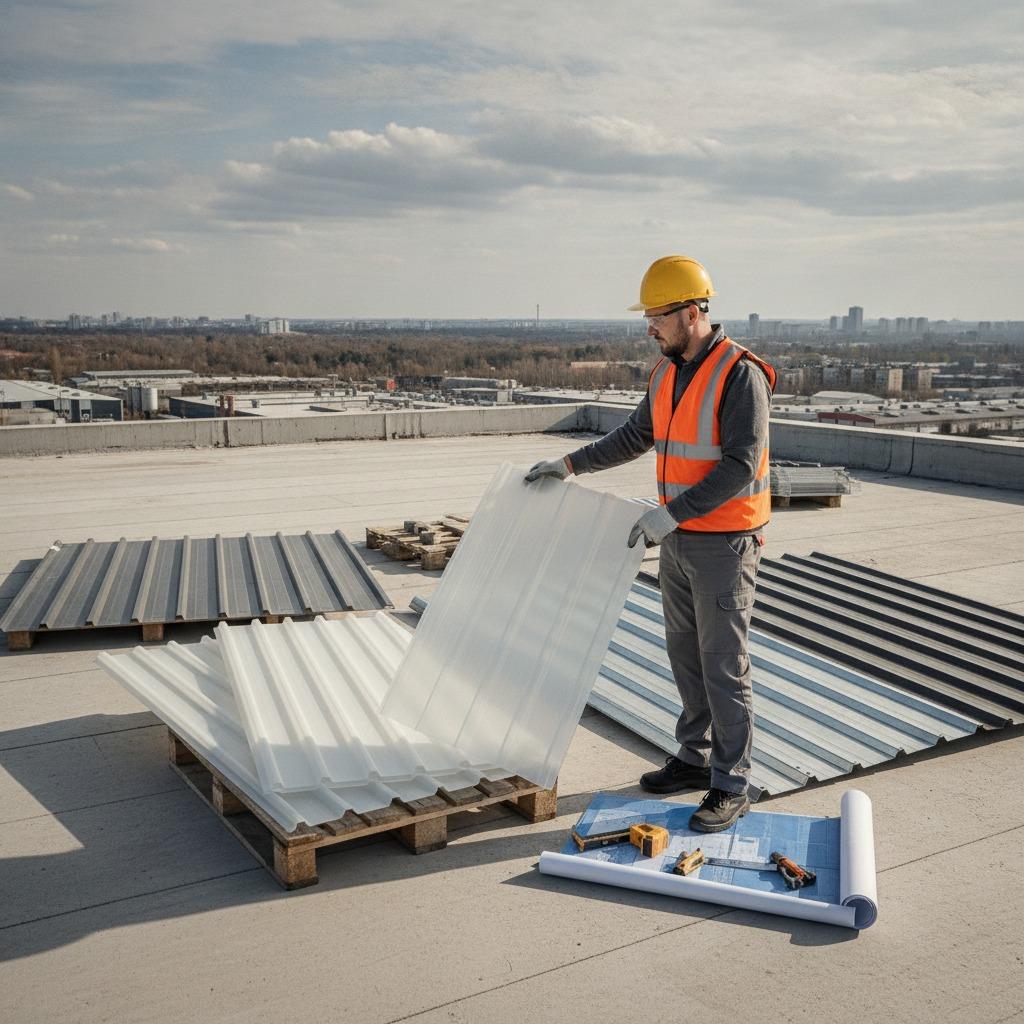
For projects where weight, weather exposure, and maintenance all matter, uPVC roof tiles deserve a serious look. They are often chosen when a building owner wants a roof covering that is easier to handle than traditional heavy materials, while still giving dependable protection in rain, sun, and coastal air. The real decision is not just about appearance; it is about choosing a roof system that fits the structure, the climate, and the long-term maintenance plan.
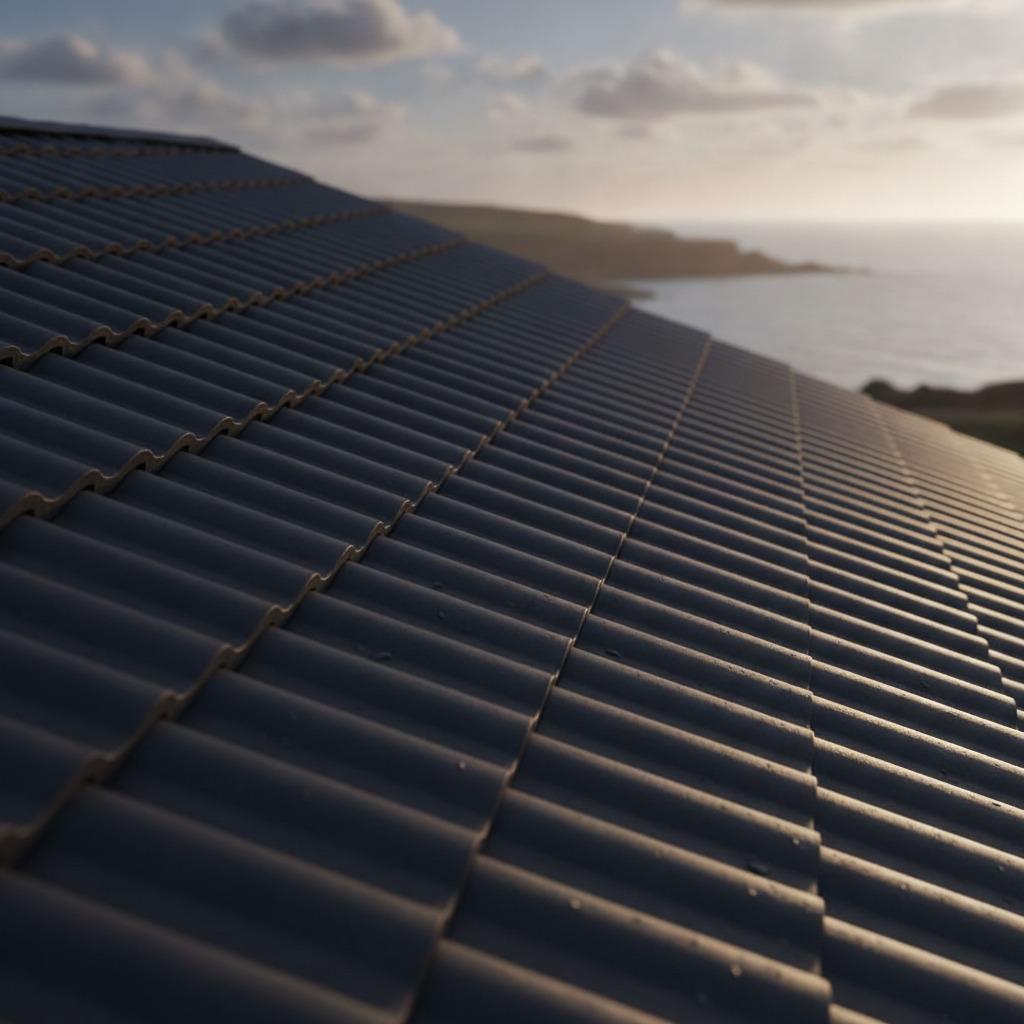
Why buyers keep comparing uPVC to traditional roofing
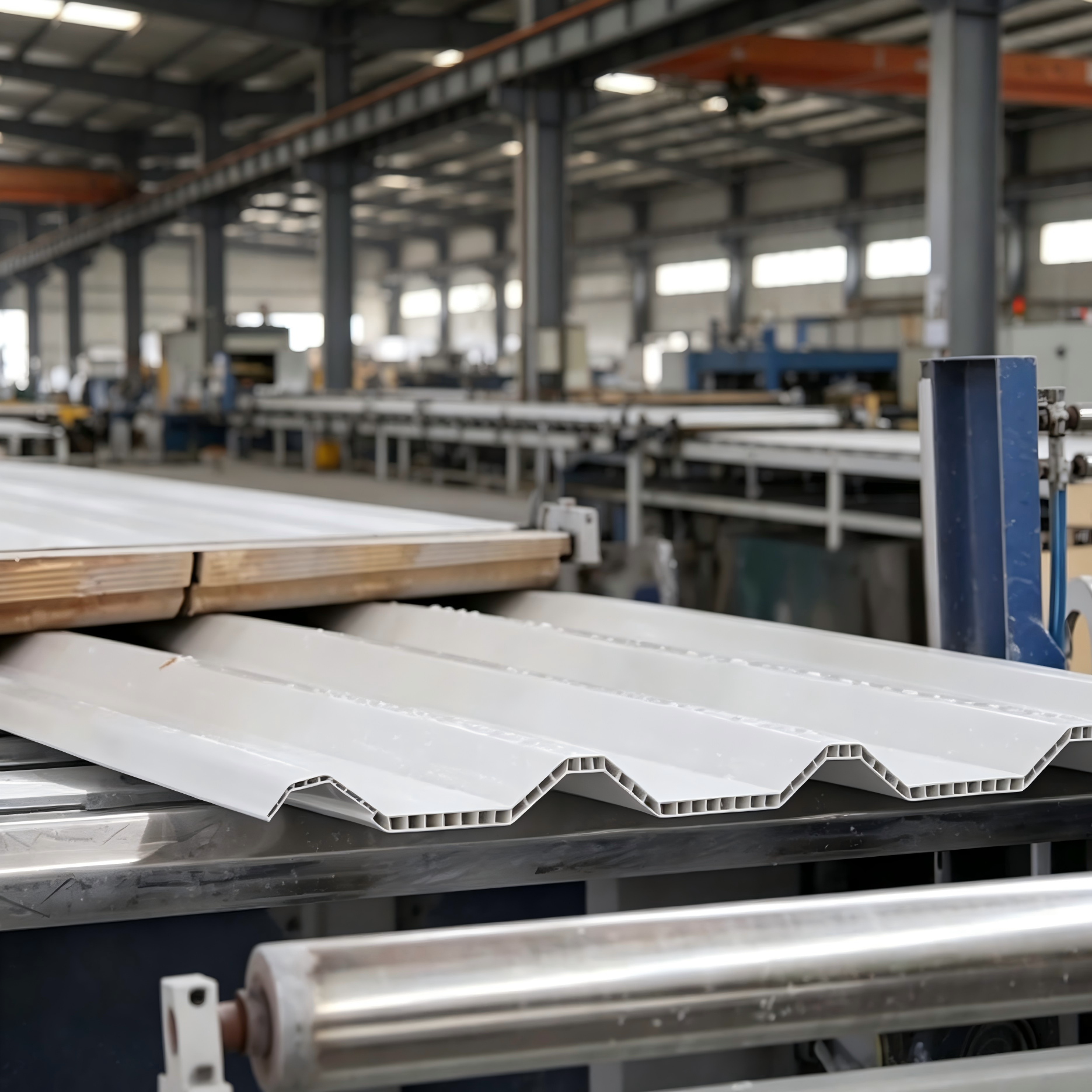
Engineers and sourcing teams usually start with the same question: what will the roof do over time, not just on day one? That is where uPVC roofing tiles can be attractive. They are lightweight, which can reduce structural loading compared with many conventional options. They also suit jobs where installation speed matters, because lighter components are generally easier to move, align, and fix in place. For retrofit work, that can make a practical difference.
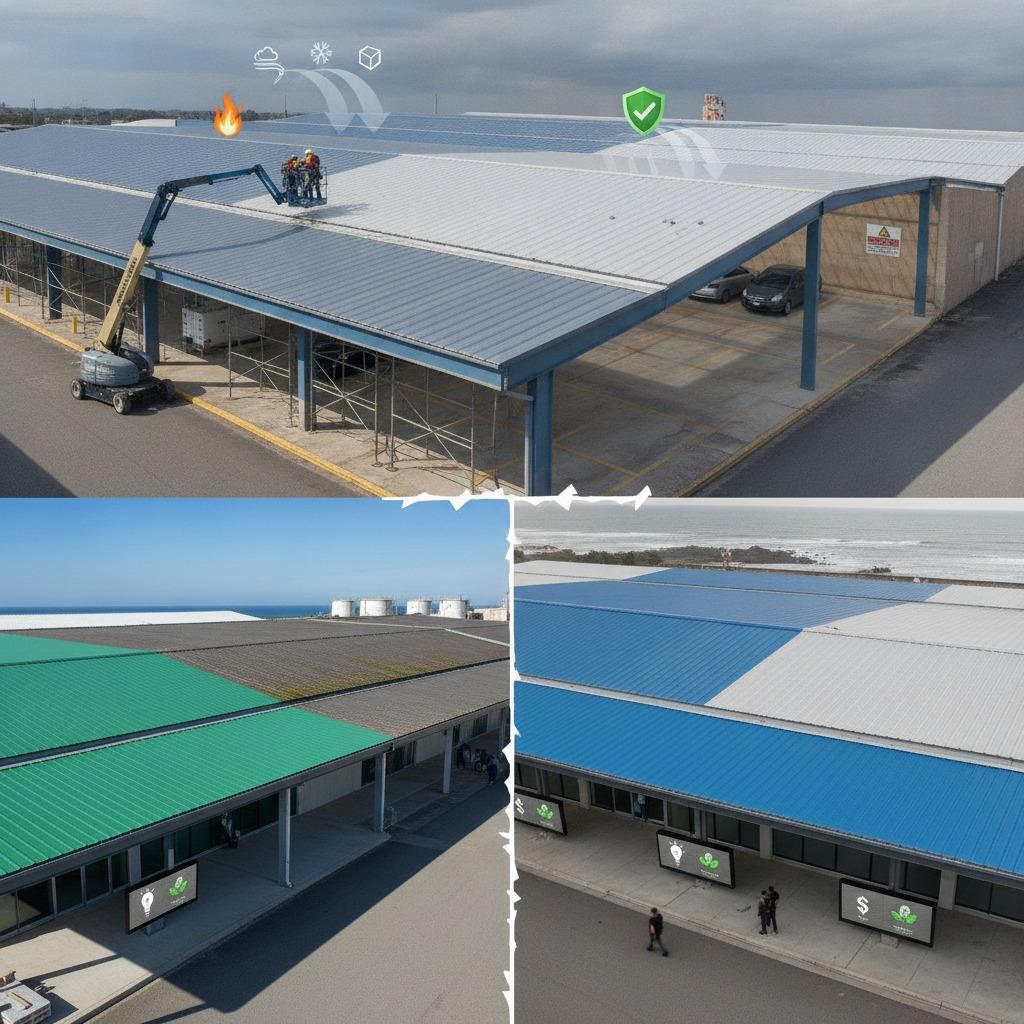
Another reason they are considered is resistance to corrosion. In exposed environments, especially where metal roofs can be vulnerable, an anti-corrosive surface is not a minor detail. It can be the difference between a roof that keeps its appearance and one that starts asking for attention too soon.
What to look for before you specify
Match the roof to the environment
Not every building needs the same roofing strategy. A warehouse, a utility structure, and a residential extension may all benefit from uPVC roofing, but for different reasons. Wind exposure, UV intensity, drainage design, and local installation practice all matter. Buyers should ask how the material performs in the actual service environment, not in a generic brochure scenario.
Check the details that affect real-world use
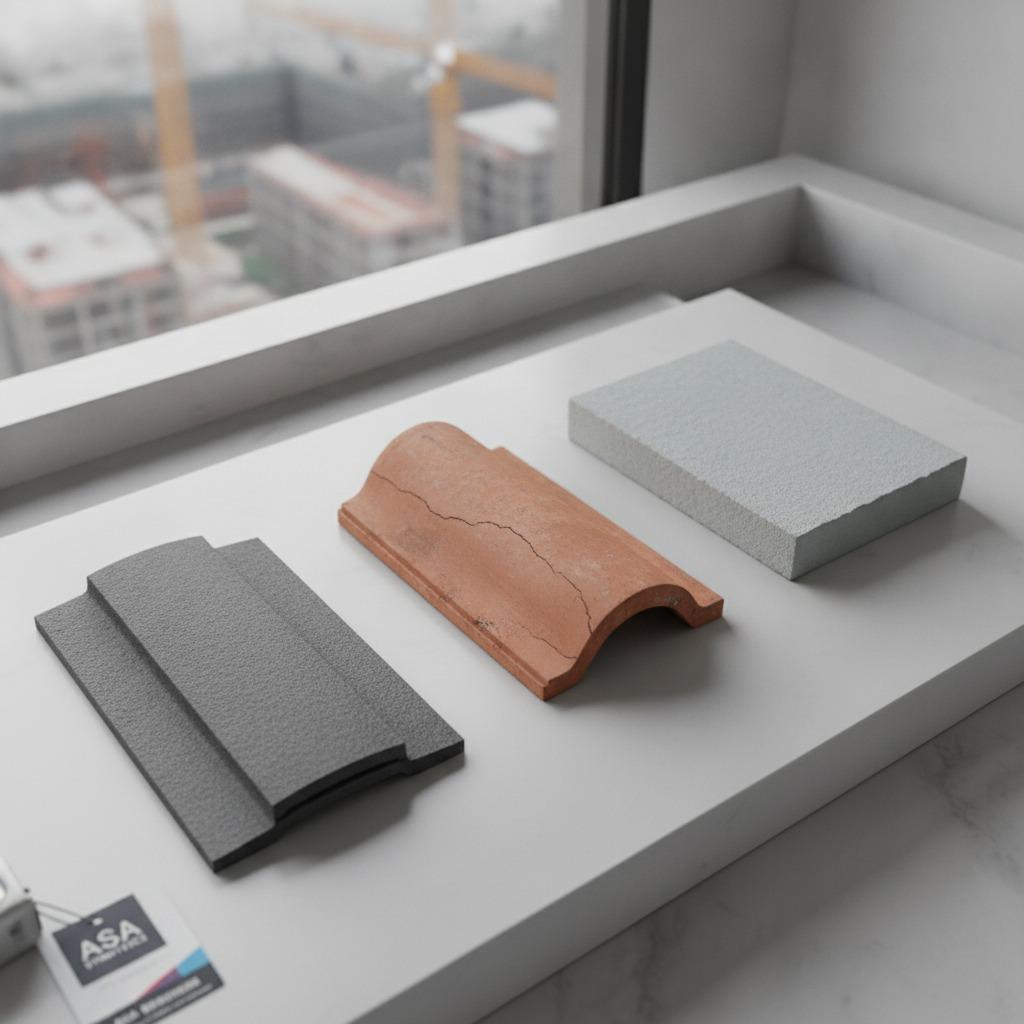
Panel profile, fixing method, color stability, and compatibility with existing roof components can all influence success. A common mistake is choosing on price alone and then discovering that the accessory system is incomplete or the installer has to improvise. That is where projects lose time.
Practical buyer takeaway
If the goal is a roof covering that balances manageable installation, lower structural demand, and better resistance to corrosion, uPVC roof tiles are worth shortlisting. They are not a universal answer, and no sensible buyer should treat them that way, but they can be a smart specification when the job calls for durability without unnecessary weight.
For teams comparing options, the useful next step is simple: define the environment, the loading limits, and the maintenance expectations, then compare those needs against the product format that will actually be installed. That is usually where the best roofing decision becomes obvious.