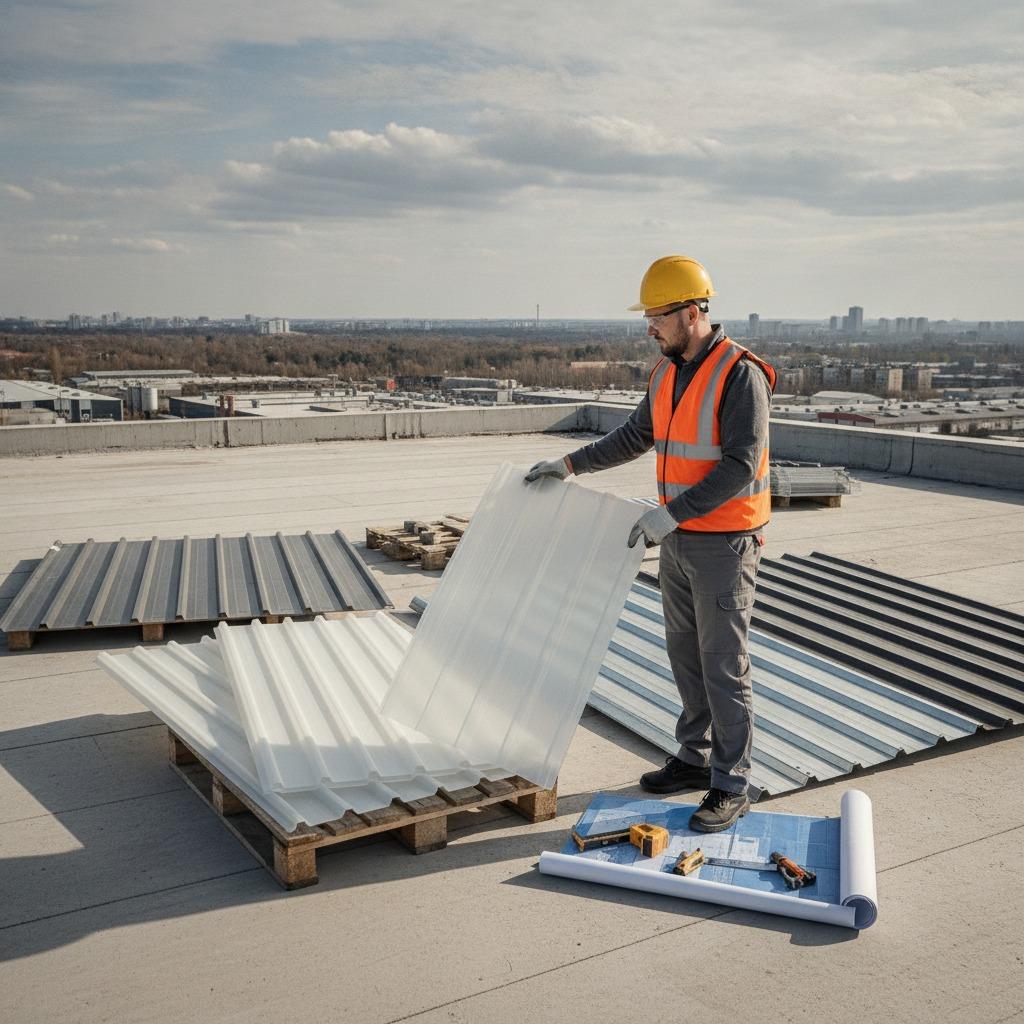
What buyers should know before choosing UPVC roof tiles
UPVC roof tiles are usually specified for one simple reason: the roof has to do more than shed water. In coastal, industrial, and high-humidity settings, the roof surface is expected to resist chemical exposure, salt air, and day-to-day weathering without constant maintenance. That is where uPVC roofing tiles often enter the conversation. For engineers, sourcing managers, and project teams, the real question is not whether the material is modern enough, but whether it is the right fit for the building, the climate, and the service life target.
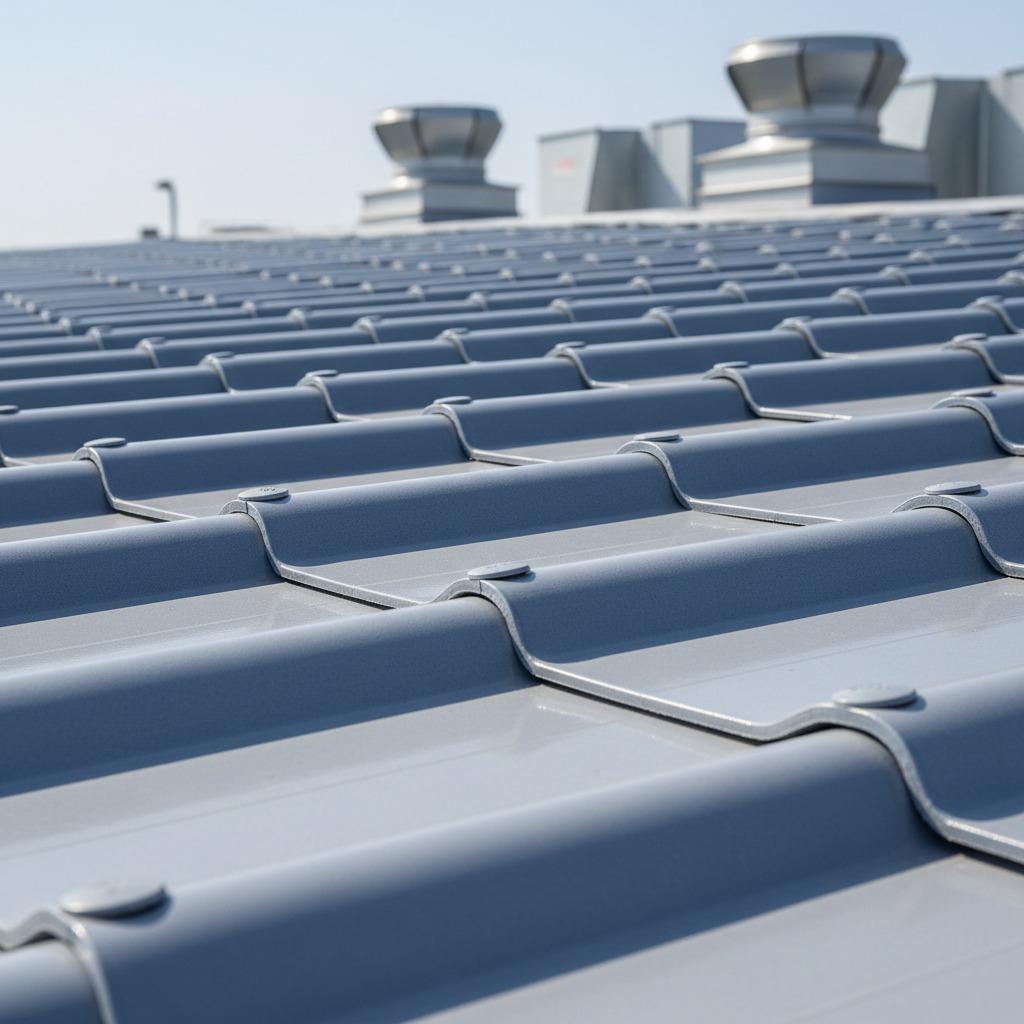
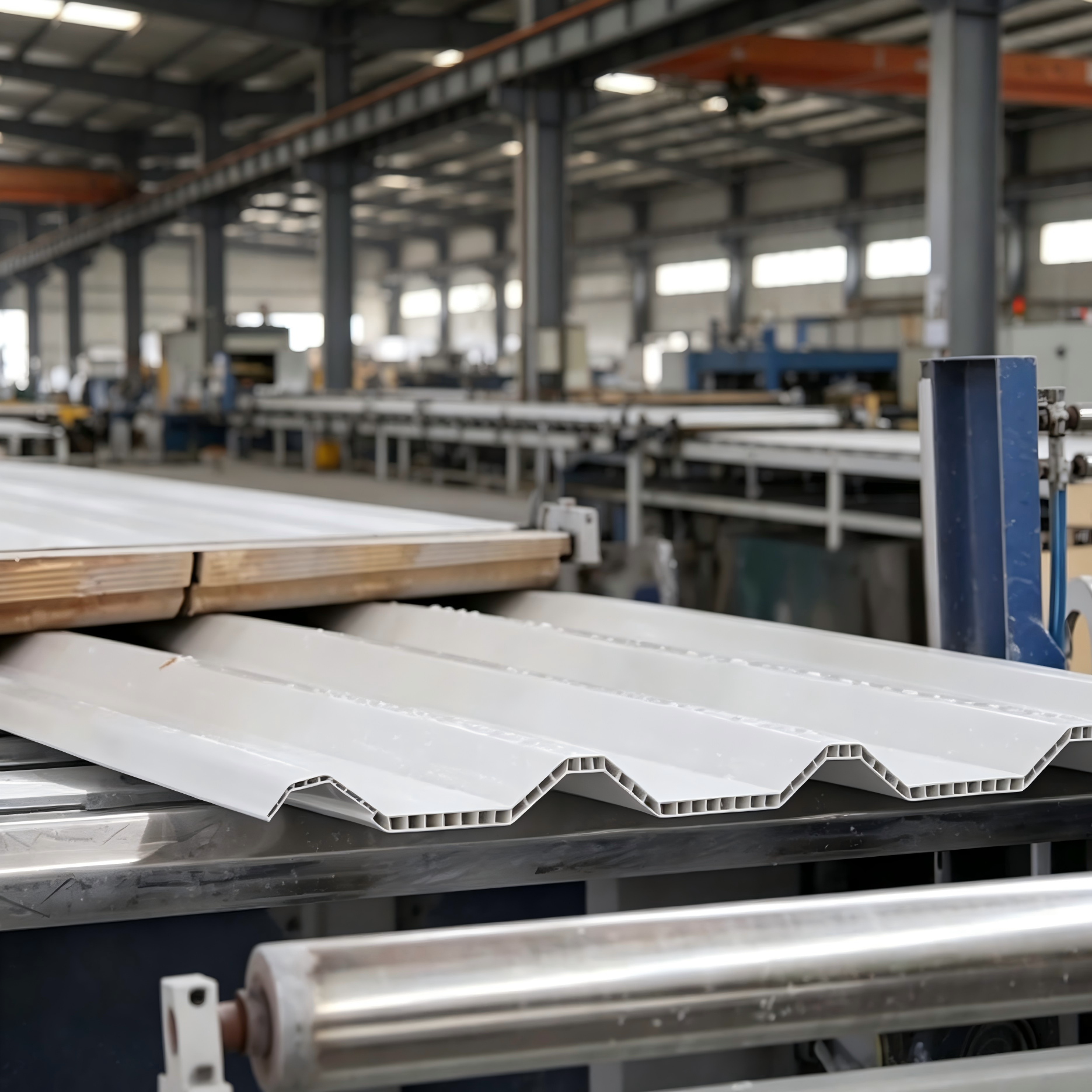
Compared with metal or traditional brittle roofing products, uPVC roofing can offer practical advantages in corrosion resistance and general weather tolerance. That matters when the project involves aggressive environments, or when long-term upkeep has to stay predictable. Still, the material is not a universal answer. Roof geometry, wind loading, fire requirements, installation quality, and the supporting structure all affect performance. A good specification starts with those constraints, not with the catalog image.
Where uPVC roofing is used most often
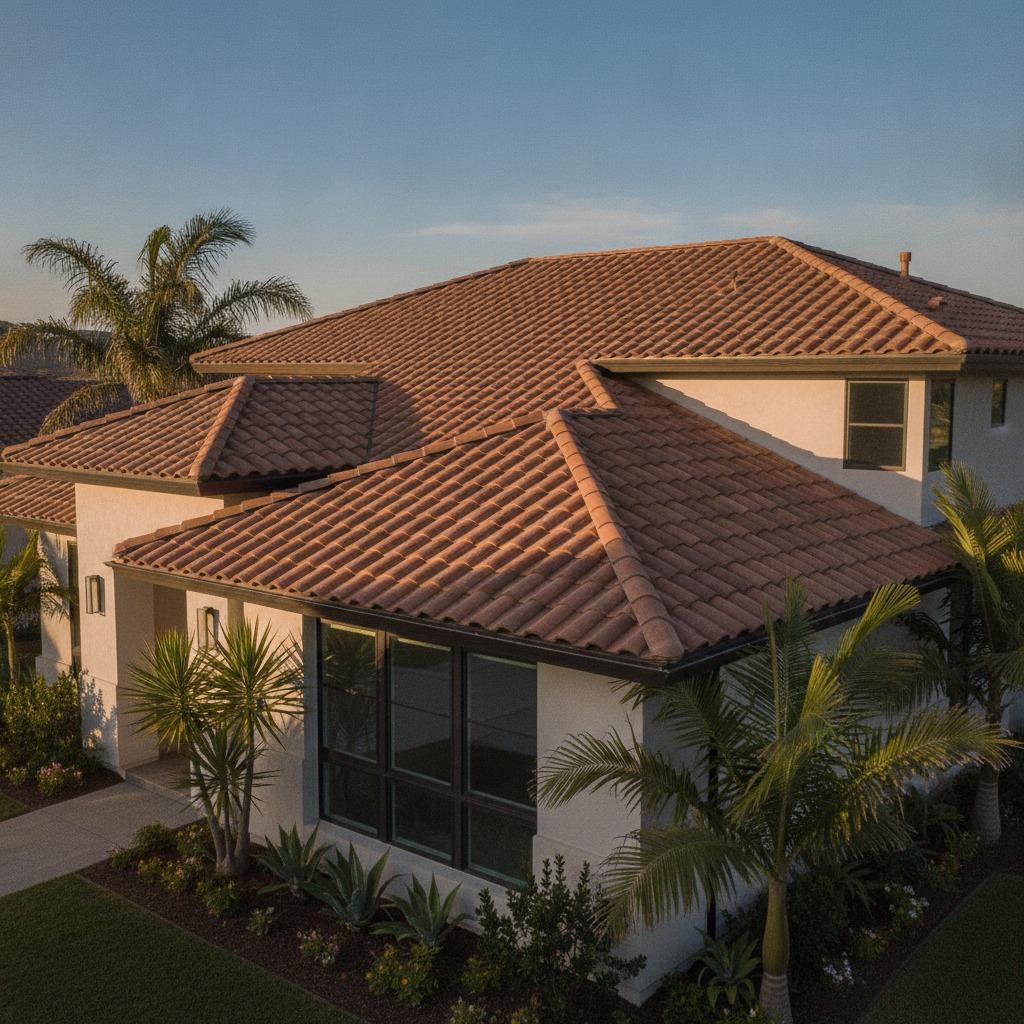
UPVC roof tiles are commonly considered for factories, storage buildings, farm structures, and residential projects that need a lighter, low-maintenance roof covering. In many cases, buyers are trying to solve one of three problems: preventing rust, reducing replacement cycles, or simplifying installation on large roof areas. The appeal is straightforward. A uPVC roof can help reduce the maintenance burden that often follows painted steel or other corrosion-prone materials.
That said, performance depends on the whole roof system, not just the top layer. Fasteners, overlaps, underlayment, ventilation, and support spacing can make a good product behave poorly if they are handled casually. This is one of those details that gets missed when the purchase decision is driven by price alone.
Quick comparison points for specifiers
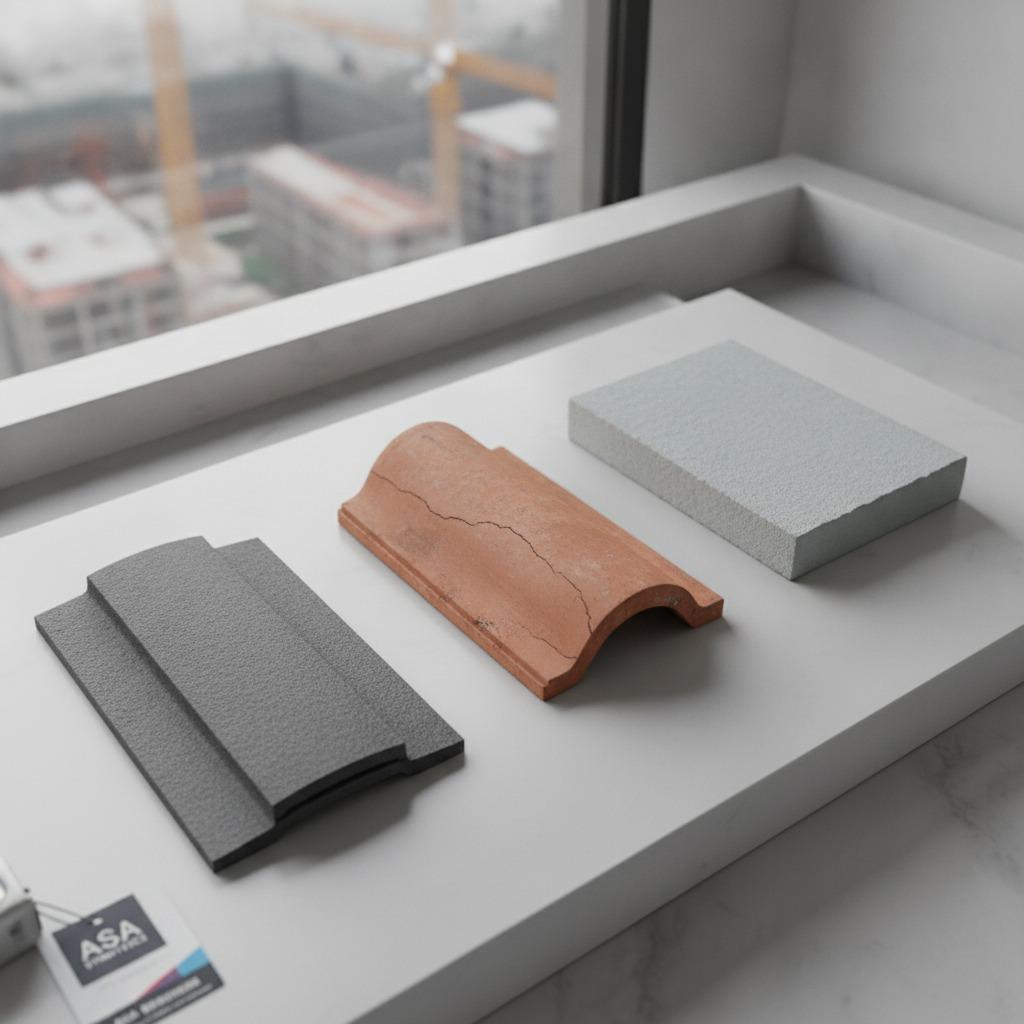
When teams compare uPVC roofing to other roof coverings, they usually weigh a few practical factors rather than broad marketing claims:
Corrosion resistance is often the leading advantage, especially in environments where metal surfaces degrade quickly. Weight can also be a deciding factor, since lighter roofing may simplify handling and reduce structural demand. Maintenance expectations are another important point; buyers often choose UPVC roof tiles because they want fewer repainting or anti-rust interventions over time.
At the same time, decision-makers should review thermal behavior, UV exposure, and installation method. No roofing product performs well if it is pushed outside its intended use case. A cautious buyer will ask how the material behaves under local weather conditions, what supporting accessories are required, and whether the roof profile suits the building design.
Selection criteria that matter in practice
Environment first
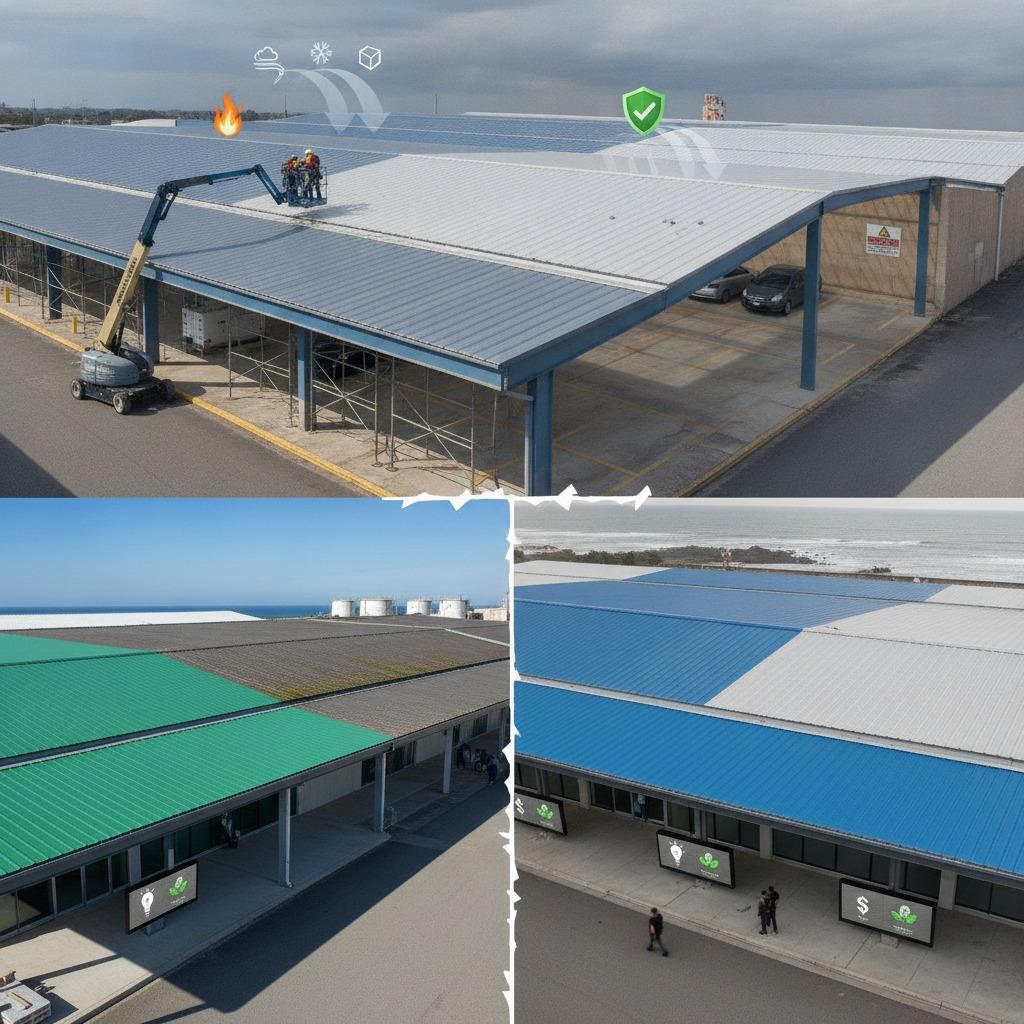
If the building sits near salt water, chemical fumes, or persistent moisture, anti-corrosive performance should be treated as a core requirement rather than a bonus feature. In cleaner inland settings, the value proposition may shift toward convenience and lower upkeep.
Installation and compatibility
Roofing projects fail quietly when components are mismatched. Buyers should confirm that the uPVC roofing tiles, fixings, and accessories are designed to work together. The roof deck and framing need to support the intended load and fastening pattern. Small oversights here can create leaks, movement, or premature wear.
Service expectations
Not every building needs the same lifespan, appearance standard, or maintenance schedule. A warehouse and a retail building may both use uPVC roofing, but the acceptance criteria can be very different. That is a useful reminder to align the material choice with the business need, not just the technical description.
Common mistakes buyers make
The most common error is treating all UPVC roof tiles as interchangeable. Profile, thickness, accessories, and installation details can vary, and those differences affect performance. Another mistake is focusing on initial cost while ignoring maintenance and replacement exposure. A cheaper roof that needs repeated attention can become the more expensive option over time.
There is also a tendency to over-specify or under-specify based on habit. Some projects demand stronger corrosion resistance than a standard roof surface can provide. Others are burdened with unnecessary complexity. A good sourcing decision sits somewhere in the middle, supported by the actual site conditions.
Practical buyer advice
Ask suppliers for clear product data, installation guidance, and use-case limits. If a seller cannot explain how the uPVC roof performs in your environment, that is a warning sign. For larger projects, it helps to compare not only the sheet or tile itself, but also the full system: fixings, flashing, ridges, and maintenance requirements.
For many teams, the best choice is the one that reduces future surprises. That may mean choosing uPVC roofing for corrosion resistance, but only after checking the roof design, weather exposure, and local code needs. The material can be a sensible option; it is not a shortcut around engineering judgment.
FAQ
Are UPVC roof tiles suitable for coastal areas?
They are often considered for coastal environments because of their corrosion resistance, but the final decision should still account for wind conditions, fastening method, and UV exposure.
Do uPVC roofing tiles always cost less over time?
Not always, but lower maintenance can improve total cost of ownership. The outcome depends on installation quality and the environment.
What should I check before ordering?
Confirm product profile, accessory compatibility, installation requirements, and whether the roofing system matches the building’s structural and environmental demands.
If you are comparing UPVC roof tiles for a project, the next step is simple: define the site conditions first, then request product data that matches them. That approach avoids a lot of expensive guesswork later.