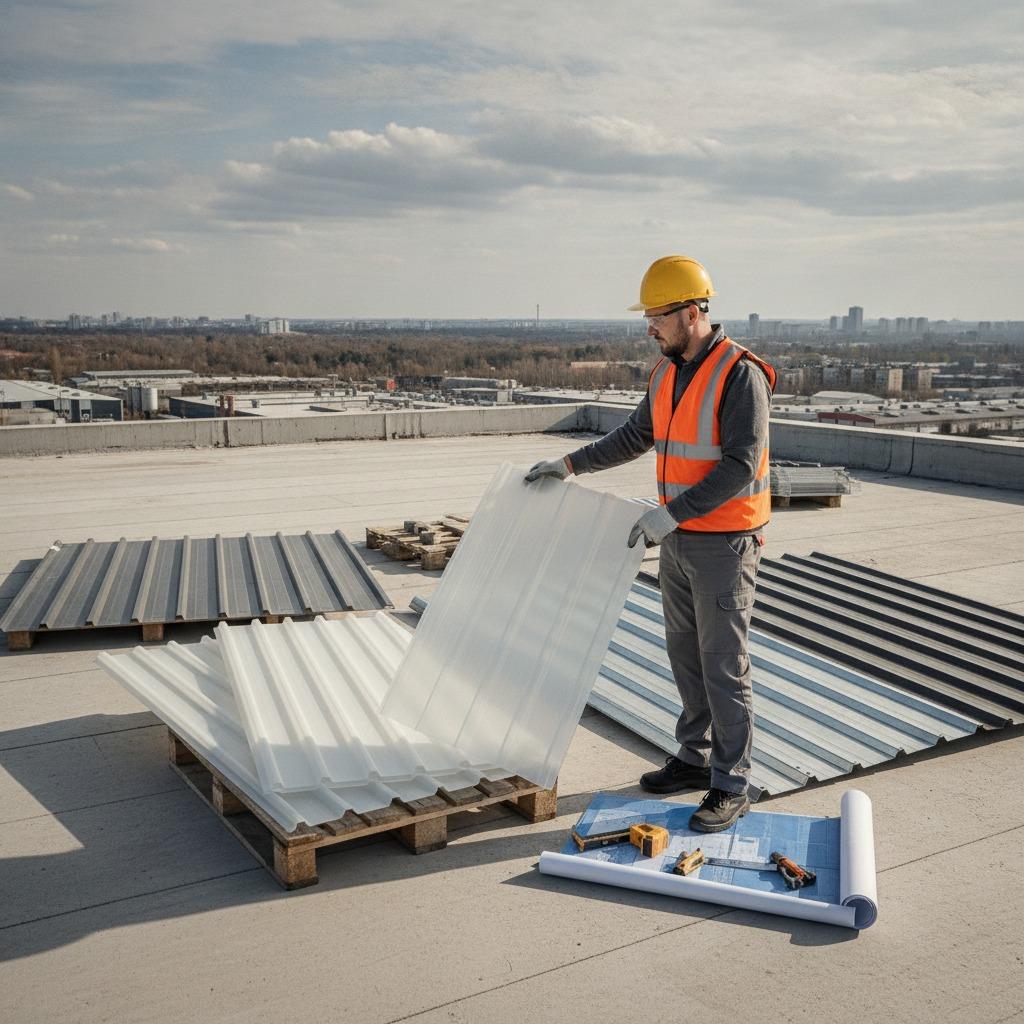
PVC roof panel: a practical option when corrosion, moisture, and maintenance costs matter
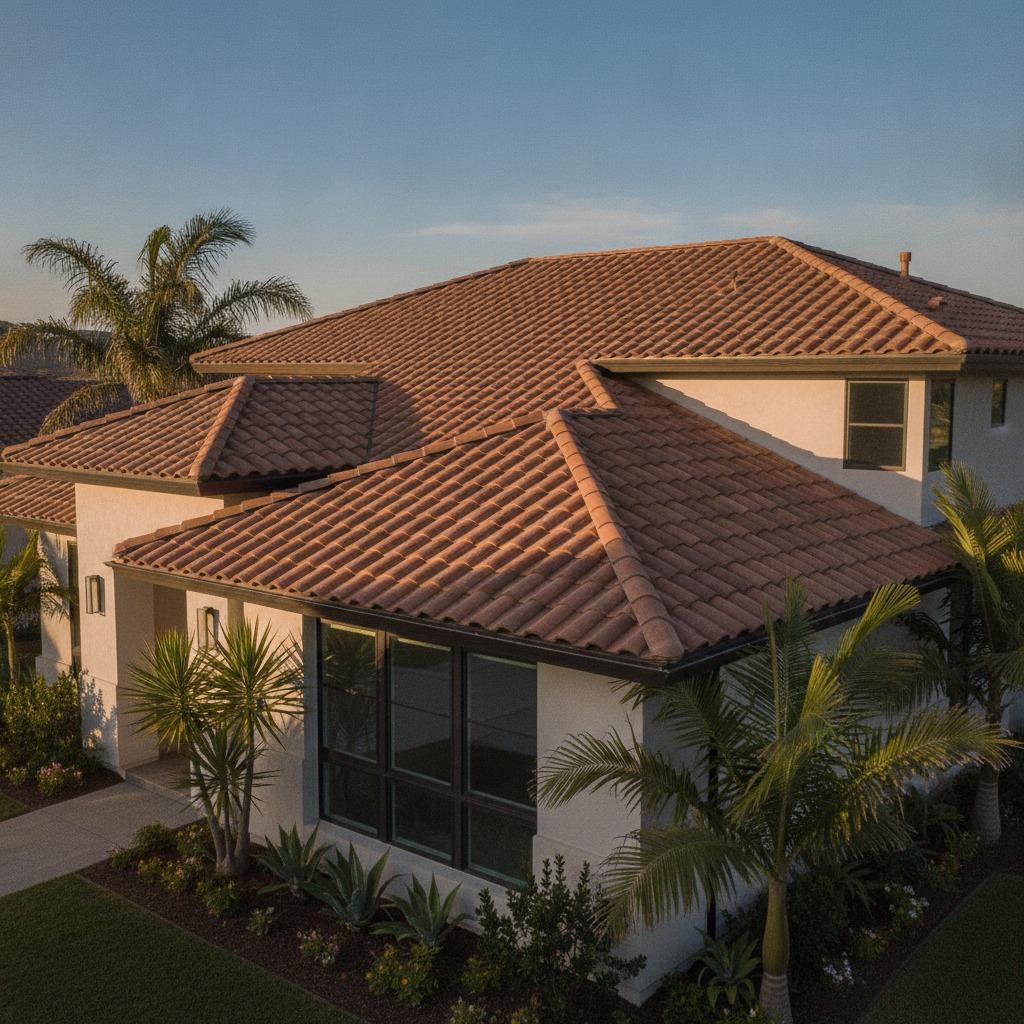
A PVC roof panel is often chosen for the same reason buyers reach for stainless fasteners or coated sheet: it solves a real site problem. In warehouses, farm buildings, chemical rooms, canopies, and utility structures, the roof is not just overhead cover. It has to resist water, weather, and in some cases a fairly nasty atmosphere. That is where PVC roofing earns attention. It is lightweight, typically easier to handle than many traditional sheet products, and it can be a sensible anti-corrosive option when metal roofing would need more protection than the budget allows.
The decision is rarely about one feature alone. Engineers and sourcing teams usually compare durability, chemical resistance, weight, appearance, installation effort, and long-term maintenance. A panel that looks inexpensive on the quote can become costly if it needs frequent replacement, special fasteners, or careful cleaning. On the other hand, an overbuilt roof spec can add unnecessary structure cost. The right PVC roof panel sits somewhere in the middle: practical, serviceable, and suited to the environment.
Where PVC roofing tends to make sense
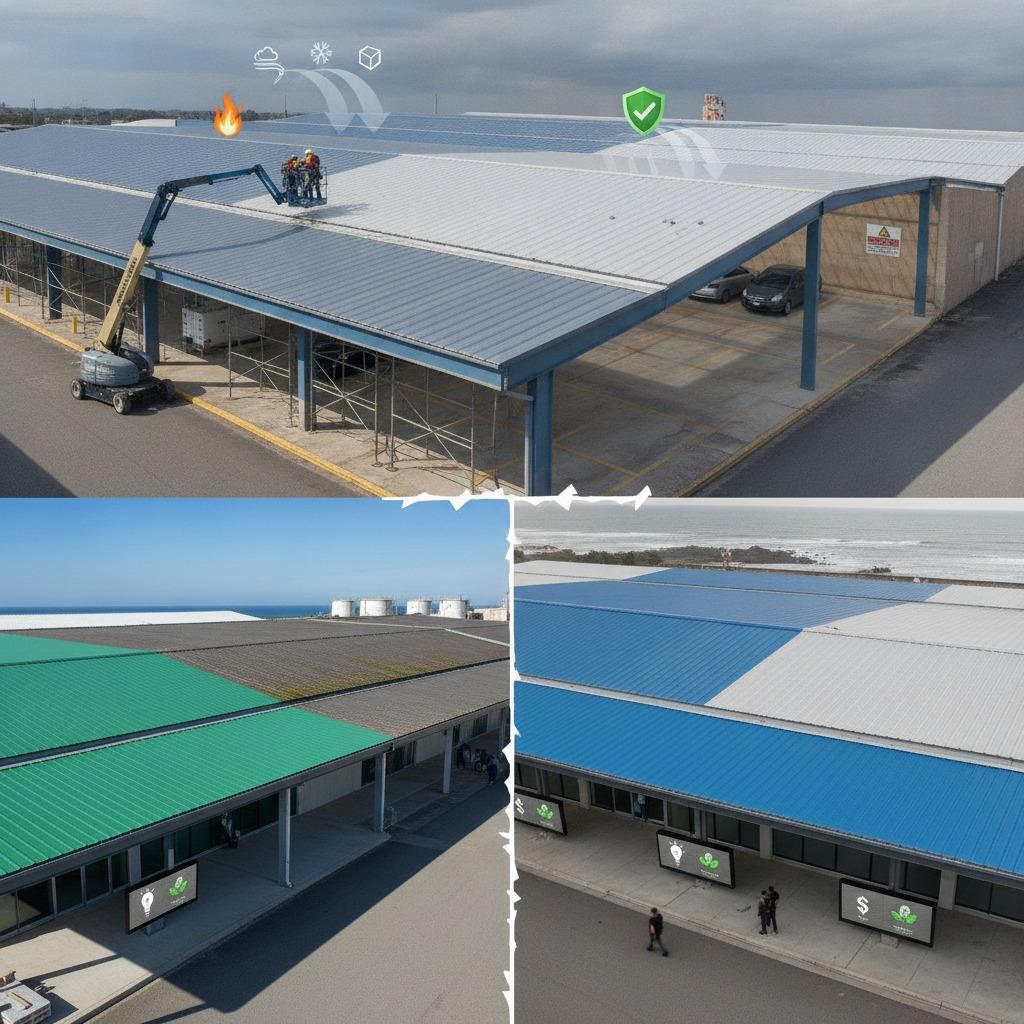
In everyday use, PVC roofing is most attractive where moisture is constant and corrosion is a recurring threat. That includes coastal environments, washdown areas, livestock buildings, light industrial spaces, and accessory structures exposed to chemicals or fumes. It is also appealing on projects where weight matters. A lighter roofing system can simplify framing and reduce handling strain during installation. That said, it is still important to check the load conditions, local wind exposure, and fire or code requirements before committing. A roof panel is not a universal fix, even if the sales sheet makes it sound that way.
What buyers usually compare
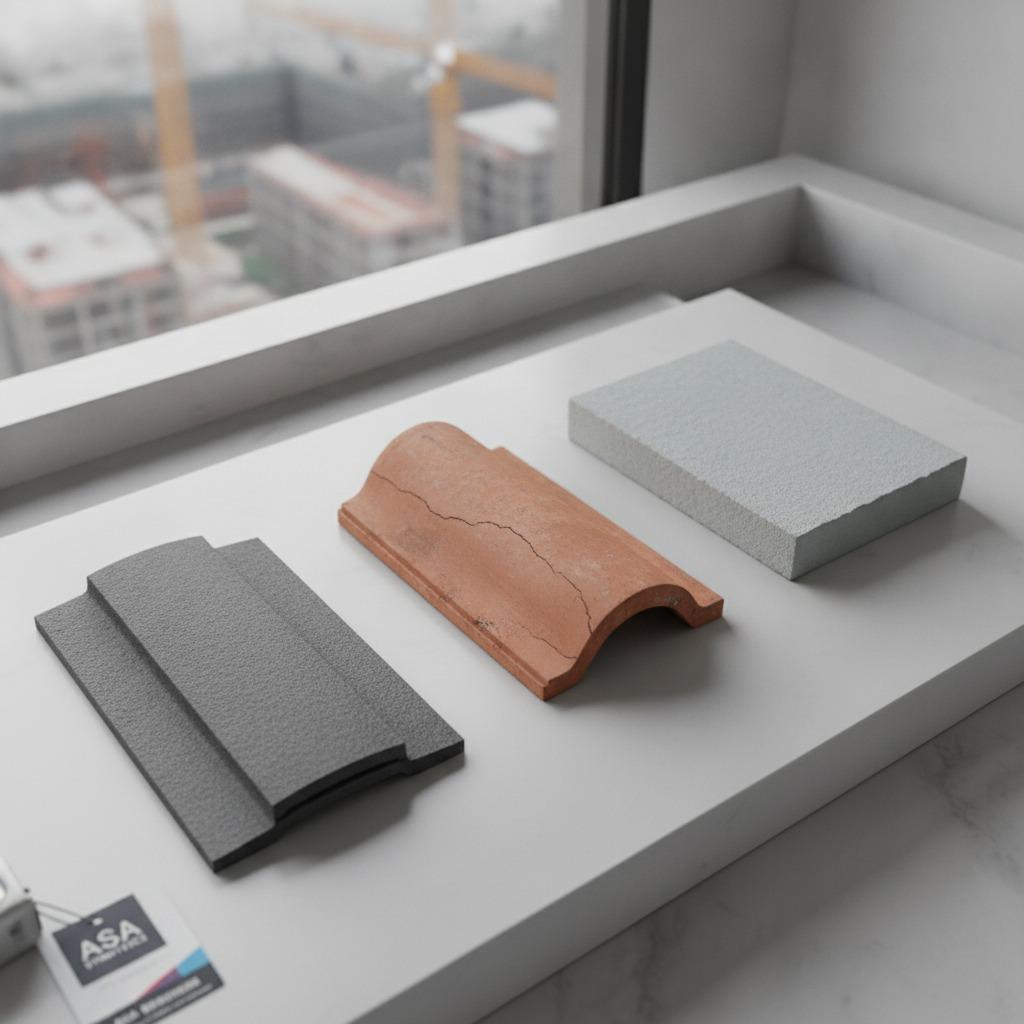
When teams evaluate panel options, they usually look at surface durability, resistance to staining, UV exposure behavior, and how well the material handles temperature swings. They also want a profile that sheds water cleanly and does not create awkward joints. In some projects, translucency or light transmission matters; in others, it does not matter at all. The point is to match the panel to the building, not the other way around.
Selection criteria that are easy to overlook
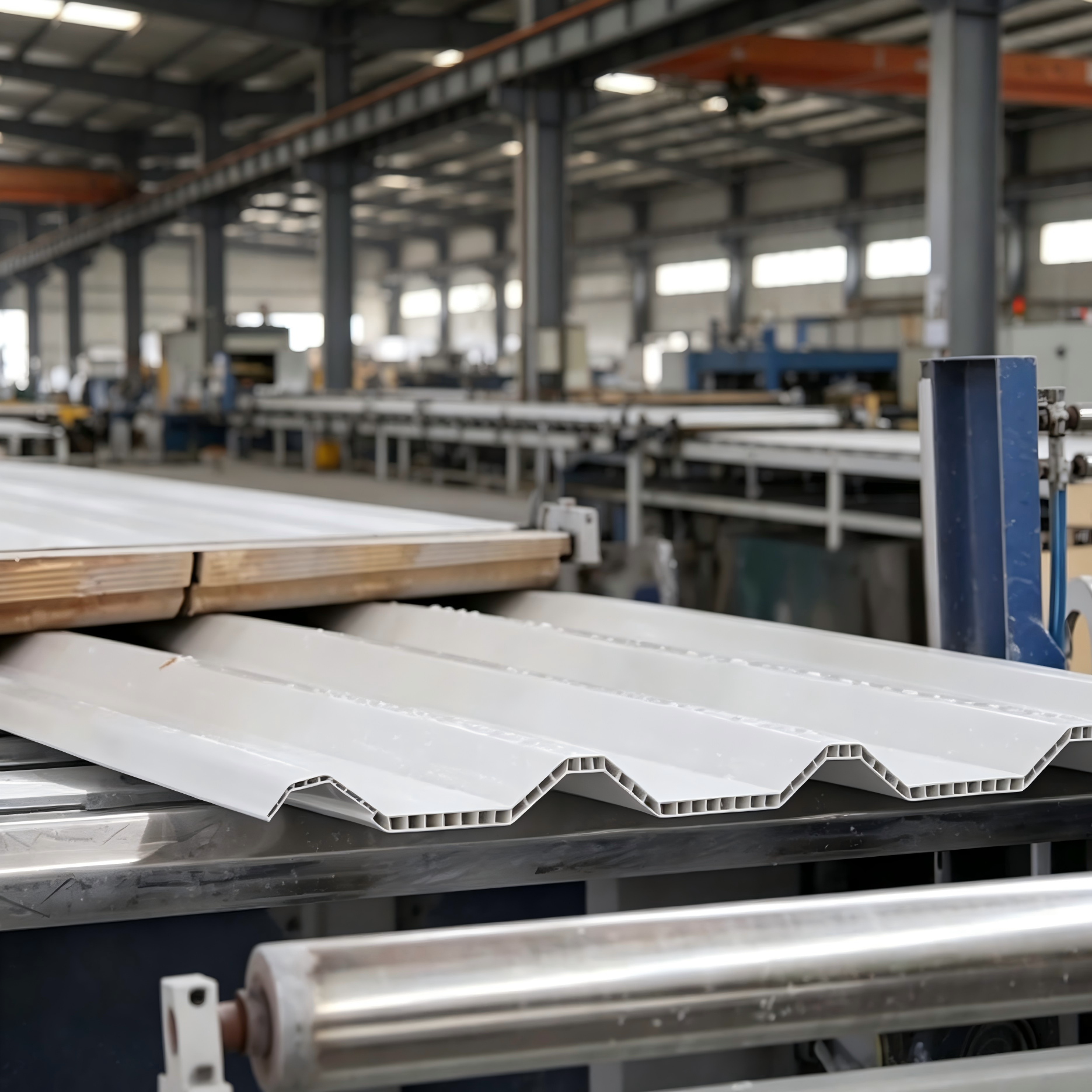
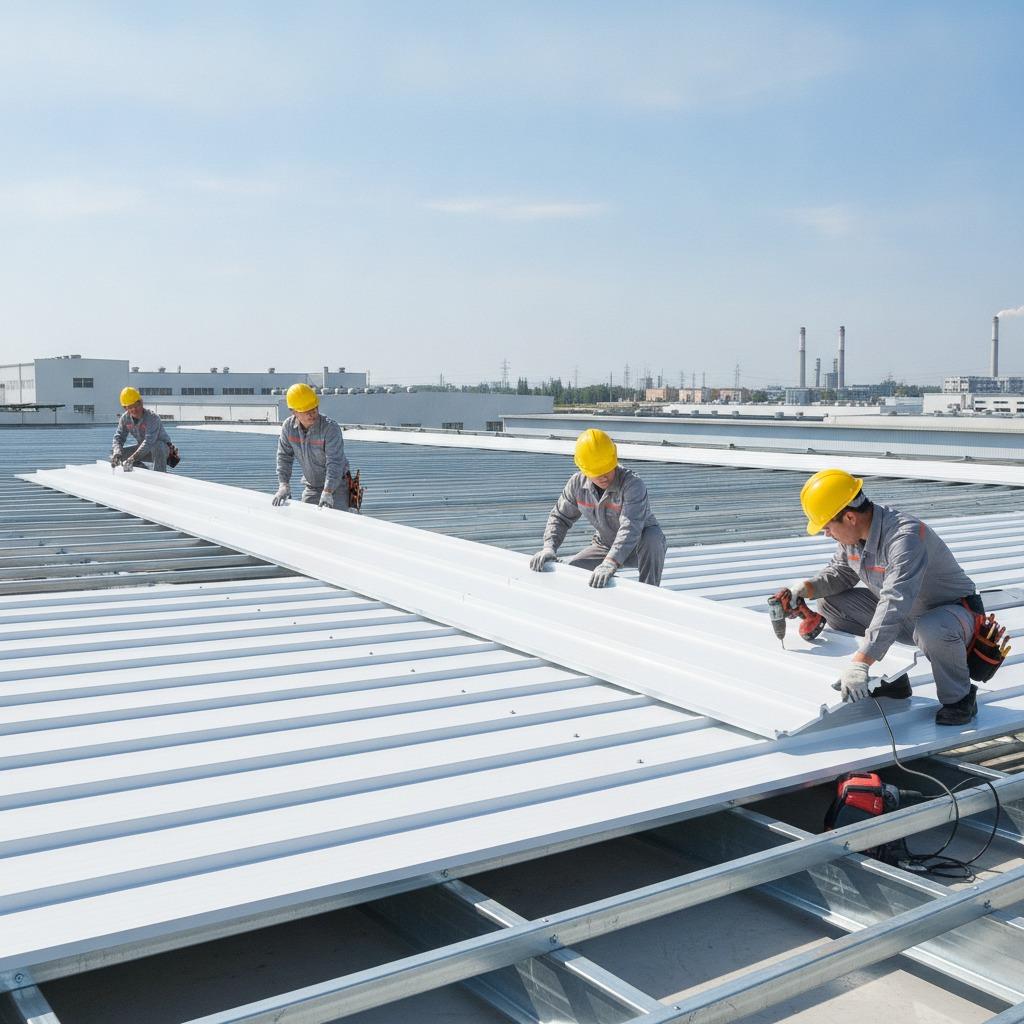
Panel thickness, profile shape, fastening method, and overlap design all affect performance. So does the quality of the supporting structure. A PVC roof panel can be an efficient choice, but only if the substructure is straight and the installation is disciplined. Gaps, misaligned overlaps, or rushed fastening work show up later as leaks, noise, or premature wear. In roofing, the small mistakes are the expensive ones.
Climate matters too. In hot, high-UV locations, buyers should be careful about asking a material to do something it was never intended to do. Likewise, if the roof will see constant chemical splash or unusual process vapors, it is worth confirming compatibility rather than assuming “plastic equals resistant.” That assumption causes trouble more often than people admit.
Practical buyer advice
If you are sourcing PVC roofing, ask for the exact panel profile, recommended accessory system, and installation guidance. Review how the panel joins to trims, ridges, and fasteners. Ask how the material should be cleaned and what chemicals to avoid. Those details are often more useful than a broad promise on a datasheet.
For engineering and procurement teams, the smartest question is simple: what problem is the roof solving here? If the answer is corrosion, moisture, and manageable maintenance rather than heavy structural loading or extreme heat, a PVC roof panel may fit well. If not, it may be better to keep looking.
Final check before you specify
Compare the roofing environment, service life target, and installation conditions before issuing a purchase order. A good roof is the one that still performs quietly after the job is forgotten. If you are reviewing options for a new build or replacement project, start with the site conditions first, then choose the panel system that fits them best.