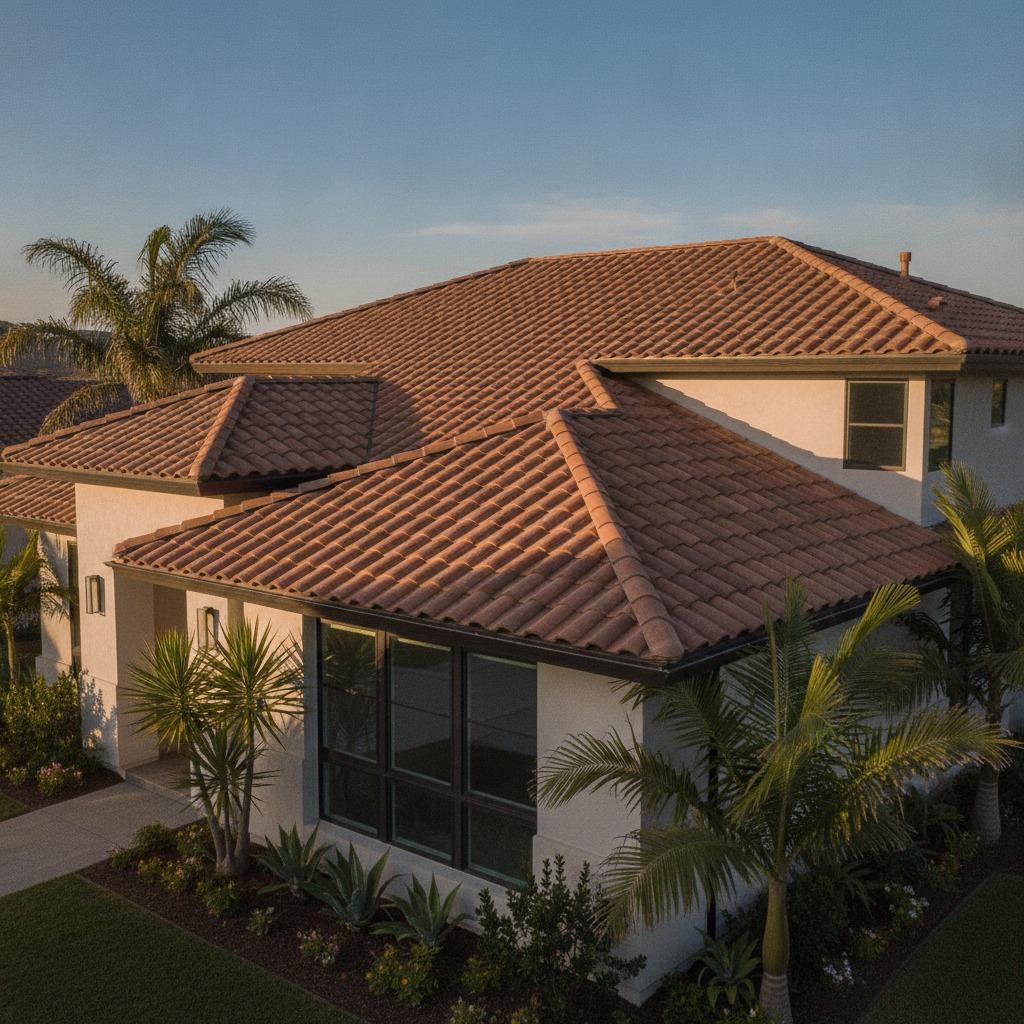
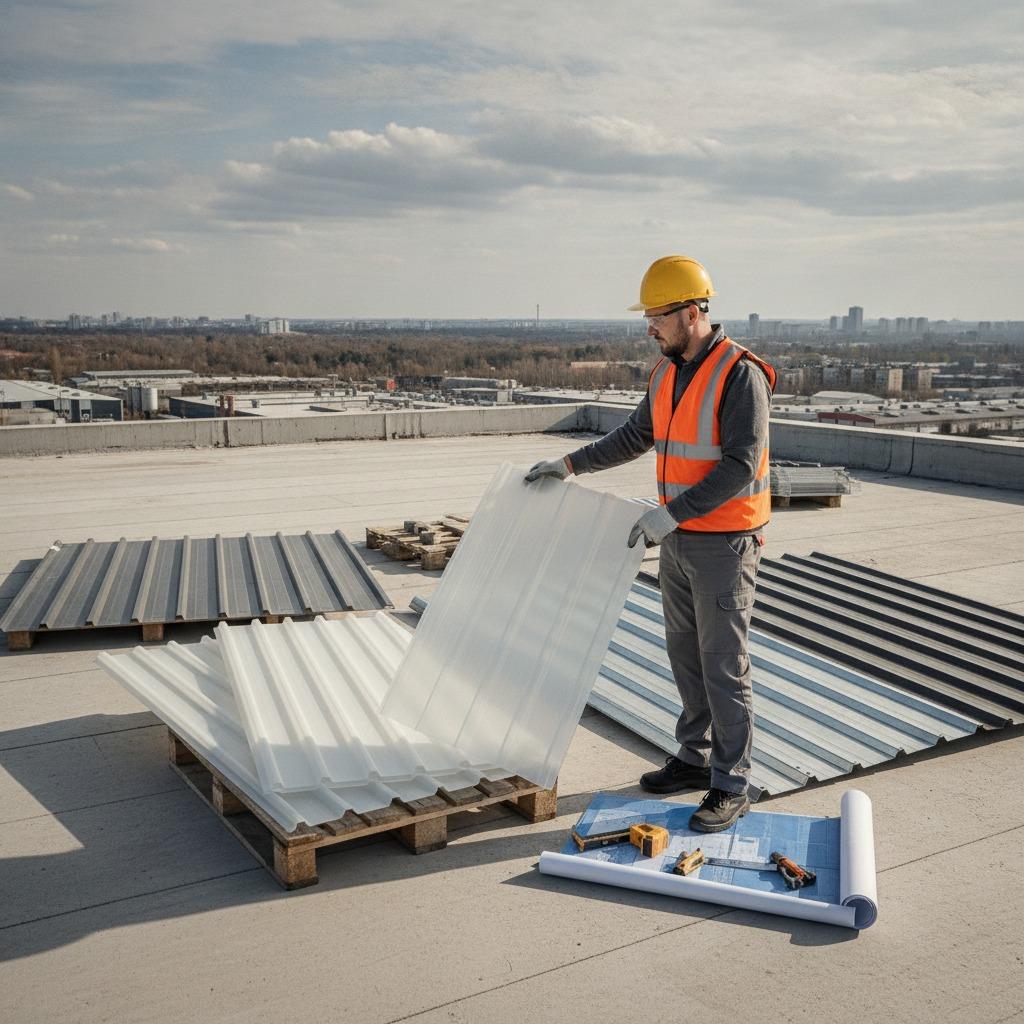
Why PVC Roof Tiles Keep Showing Up in Corrosion-Prone Projects
PVC roof tiles are often specified when a building needs a roof that can take a beating from moisture, salt air, or chemical exposure without giving up too quickly. That is the basic appeal: a lightweight roofing option with anti-corrosive performance that suits workshops, agricultural buildings, warehouses, and other structures where metal roofing can be vulnerable. For buyers, the real question is not whether the material sounds durable, but whether it fits the site conditions, support structure, and maintenance plan.
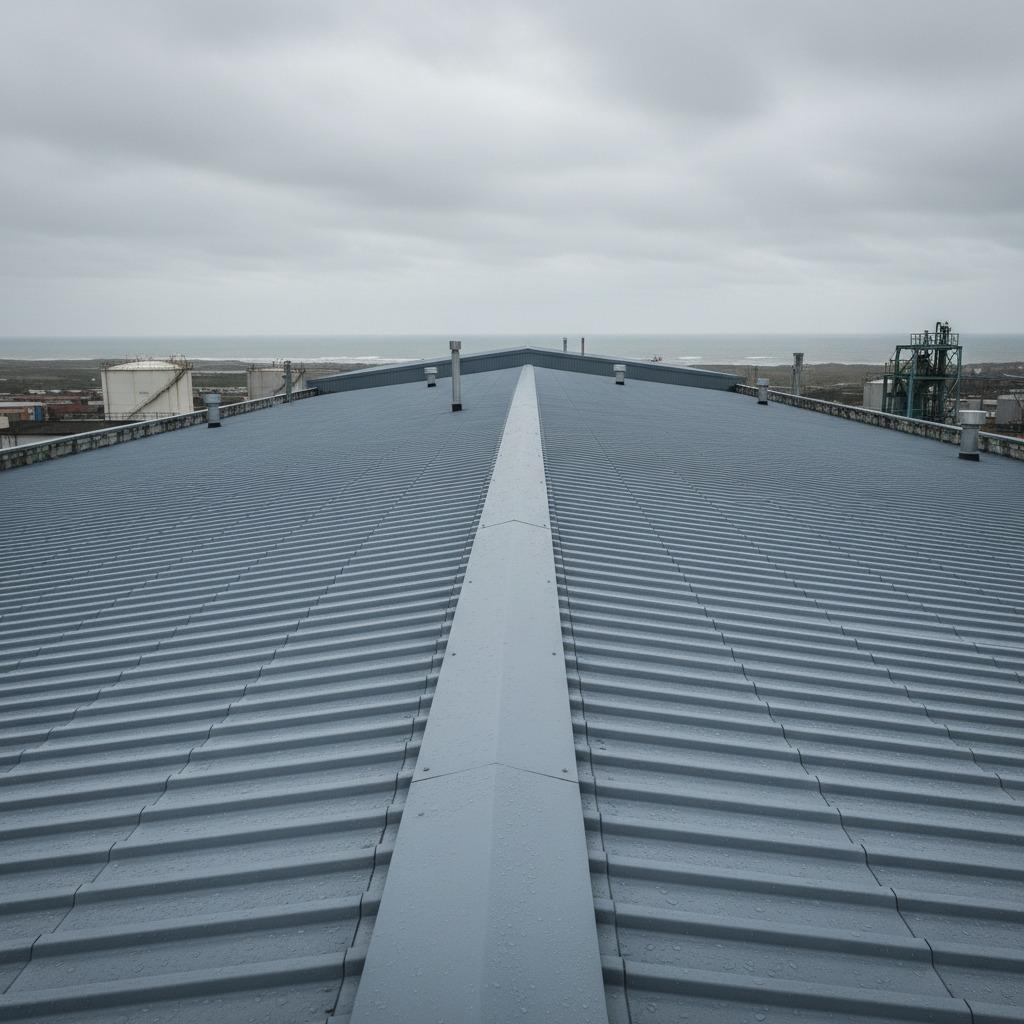
In practice, roofing decisions are rarely about one material alone. They are about the whole system: the slope, the framing, fastening, underlayment, ventilation, and the environment around the building. PVC roofing tiles are worth a close look when corrosion protection matters more than traditional appearance or when the roof must withstand humid, industrial, or coastal conditions. They can also help simplify procurement because a lighter roof often reduces structural demands, though that does not mean every roof can switch over without review.
What Buyers Usually Want to Know First
If you are comparing roofing materials, the first decision usually comes down to durability versus operating environment. A roof that looks fine in a dry inland region may struggle near fertilizer storage, coastal spray, or repeated washdown. That is where PVC roofing tiles have a practical advantage. They are selected less for decorative reasons and more for their ability to provide corrosion protection in demanding settings.
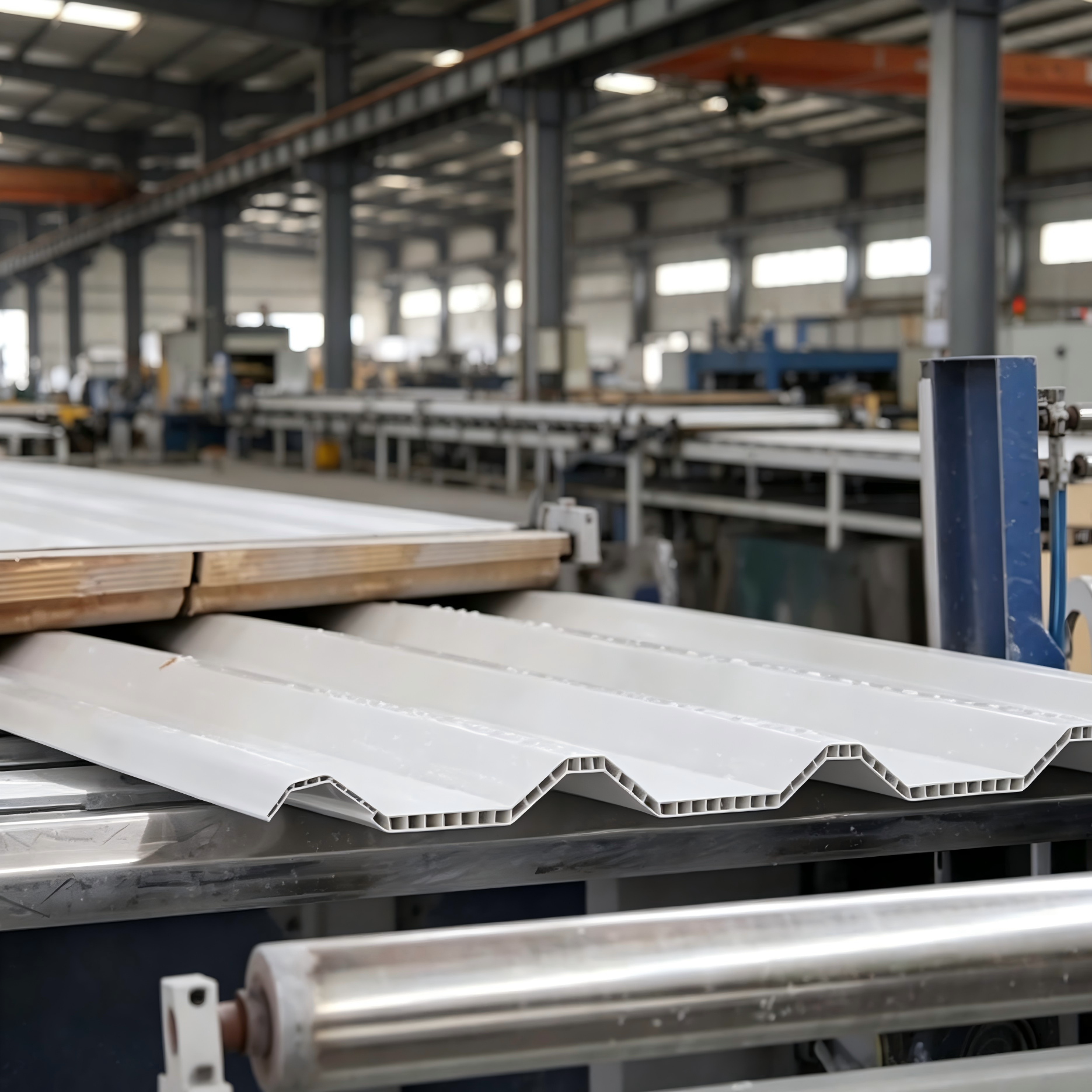
Another point worth keeping in mind: “PVC roofing tiles” and “PVC roof tiles” are often used interchangeably in the market, but suppliers may differ in profile, thickness, surface finish, and load performance. Buyers should not assume that similar naming means similar performance. That is one of those small procurement traps that causes trouble later.
Where PVC Roof Tiles Fit Best
Good-fit applications
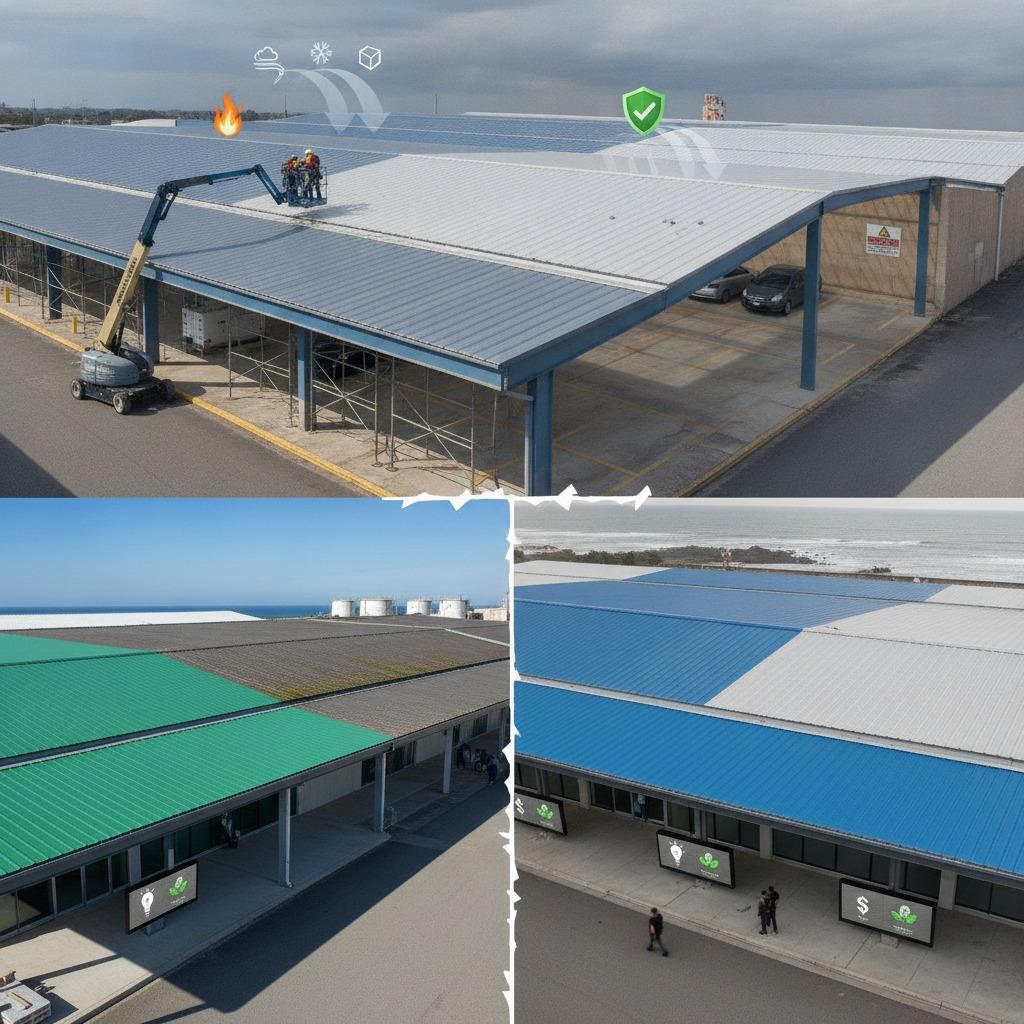
These tiles are commonly considered for industrial sheds, farm buildings, storage facilities, and structures exposed to rain, humidity, or airborne chemicals. They also make sense where low maintenance is a priority and where roof replacement downtime must be kept short.
Cases that need caution
Very hot roofs, heavy snow loads, or projects with strict fire-performance requirements may call for a closer engineering review. PVC is not a one-size-fits-all answer. A buyer who skips the load and climate checks may save time at the ordering stage and spend it later on repairs.
Selection Criteria That Matter on the Purchase Order
When sourcing PVC roof tiles, focus on the practical details that affect long-term performance: profile shape, expected exposure, fastening method, compatibility with supporting members, and the actual warranty language. Ask how the product behaves under heat, weathering, and chemical contact. If the supplier offers related roofing accessories, check whether the whole system is designed to work together rather than mixed from different product lines.
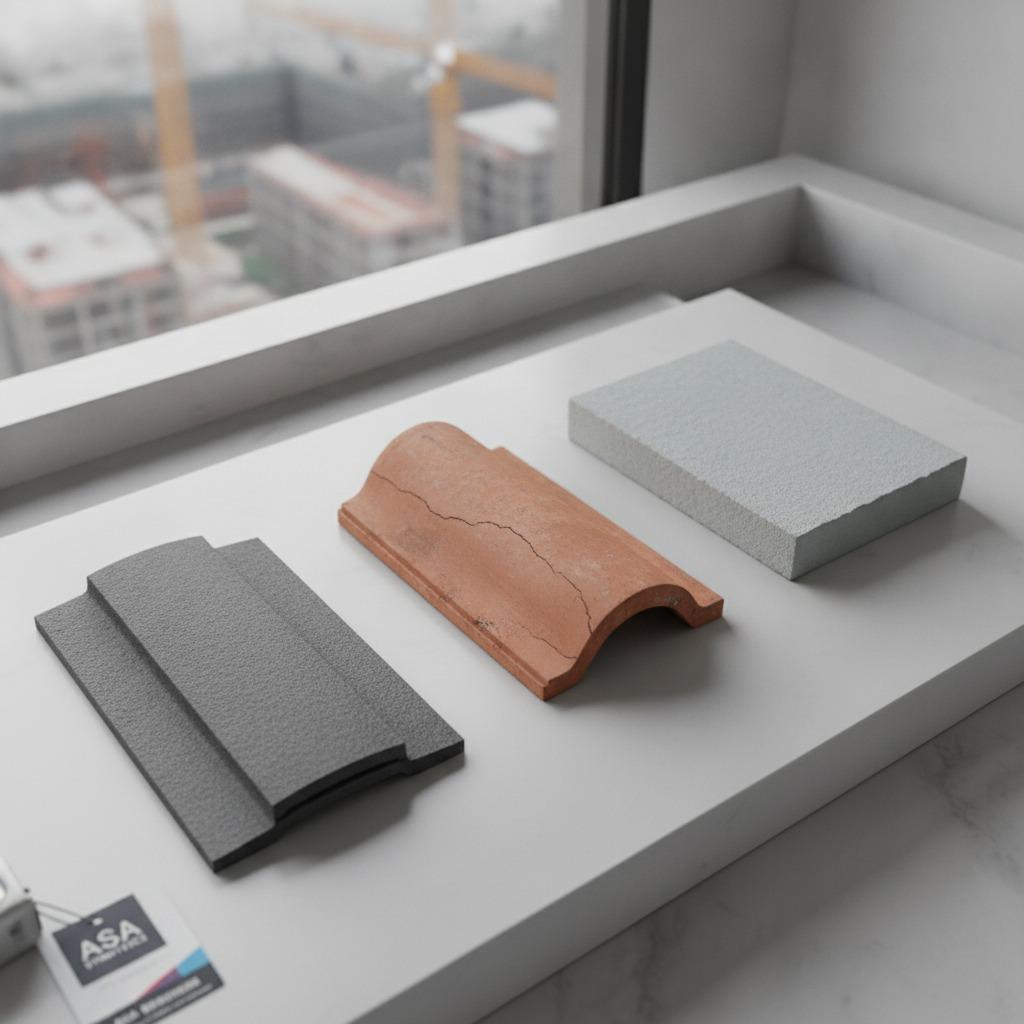
Do not overpay for features you do not need, but do not buy on appearance alone either. For roofing, the unseen details usually matter more than the visible ones. A smooth sheet on a sample table can still behave differently once it is installed across a long span in wind and rain.
Practical Advice for Engineers and Sourcing Teams
Before placing an order, clarify the roof geometry, local exposure conditions, and installation method. If the structure sits near salt, fertilizer, cleaning chemicals, or persistent dampness, anti-corrosive performance should be treated as a design requirement, not a marketing claim. Request enough technical data to compare one supplier against another in the same frame of reference.
For teams working on multi-site builds, consistency matters too. A roofing product that performs well in one plant may not suit another if the environment changes. That sounds obvious, but it is often where projects drift off course.
Next Step
If you are evaluating pvc roof tiles for a new build or retrofit, start with the site conditions first and the product shortlist second. That order saves time, reduces surprises, and usually leads to a more reliable roof system.