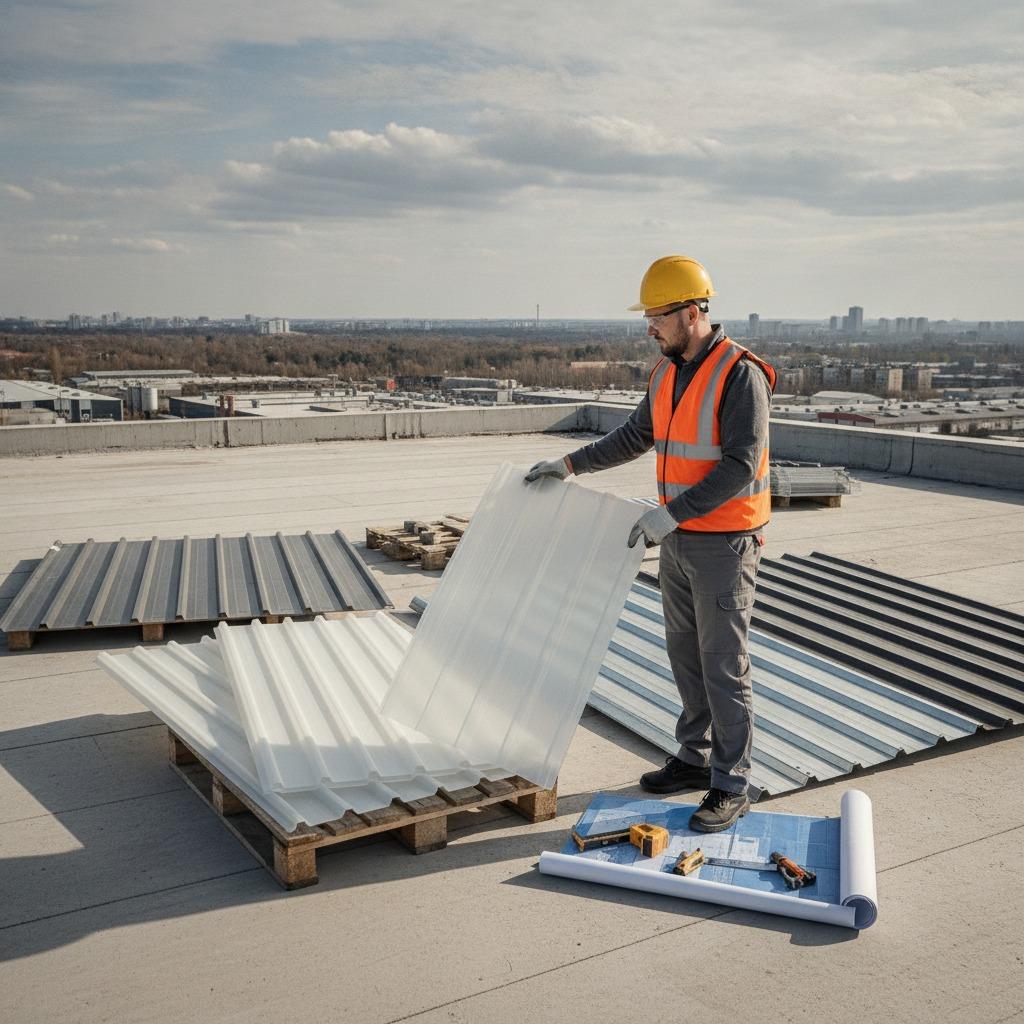
What buyers actually need to know about UPVC corrugated roof sheet
A UPVC corrugated roof sheet is usually chosen for one simple reason: the roof has to do more than keep the rain out. In workshops, farm stores, light industrial buildings, and even some residential outbuildings, the sheet needs to stand up to weather, moisture, airborne chemicals, and day-to-day handling without turning brittle or stained too quickly. That is where the material earns attention. Compared with many traditional roofing options, a UPVC corrugated roofing sheet is often considered when corrosion resistance, low maintenance, and straightforward installation matter more than decorative appeal.
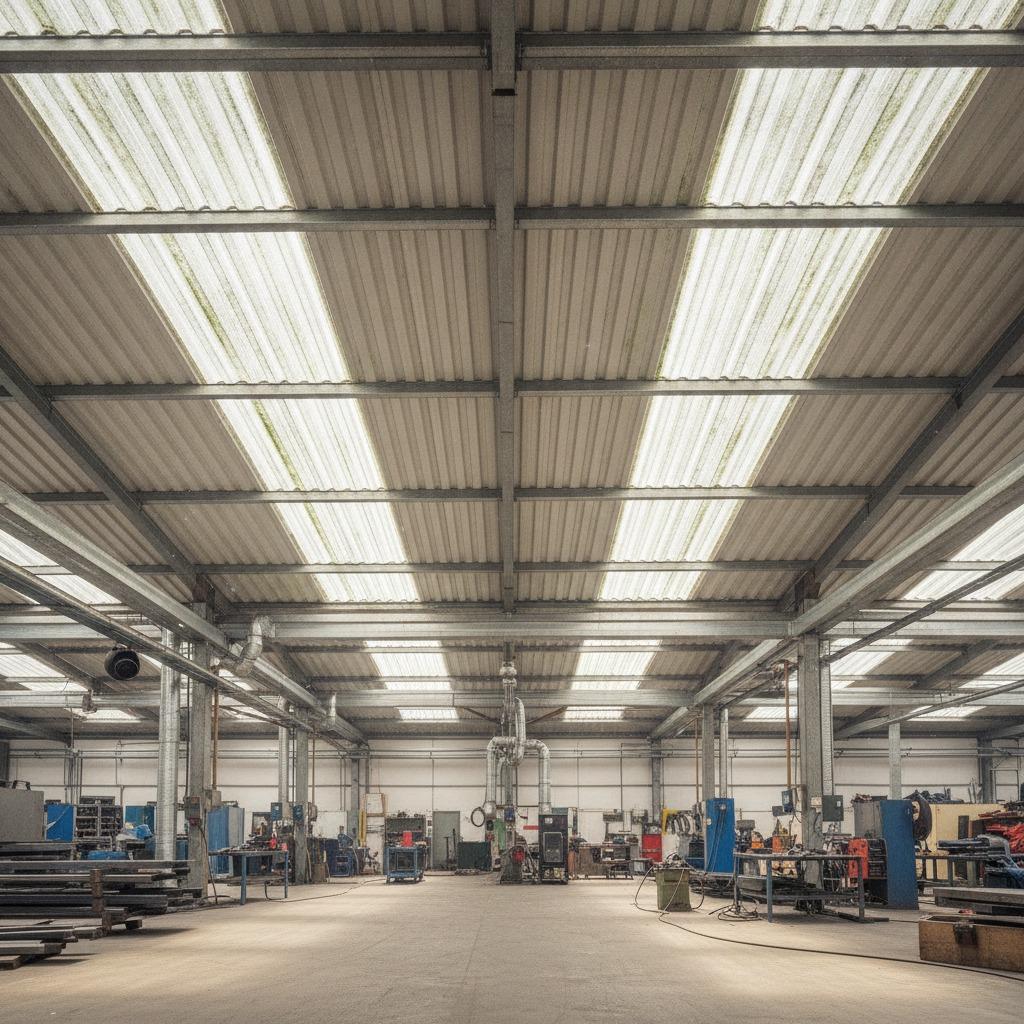
For engineers and sourcing teams, the real decision is not just “plastic or metal.” It is whether the roof environment is wet, mildly aggressive, or simply too demanding for a standard panel. A uPVC roofing sheet can be a practical answer in places where rust is a recurring problem. The corrugated profile also adds stiffness, which is helpful when you need a lightweight panel that still spans usable distances. That said, the buyer should always look beyond the headline material and ask how the sheet will behave under heat, UV exposure, load, and fastener stress.
Why the anti-corrosive angle matters
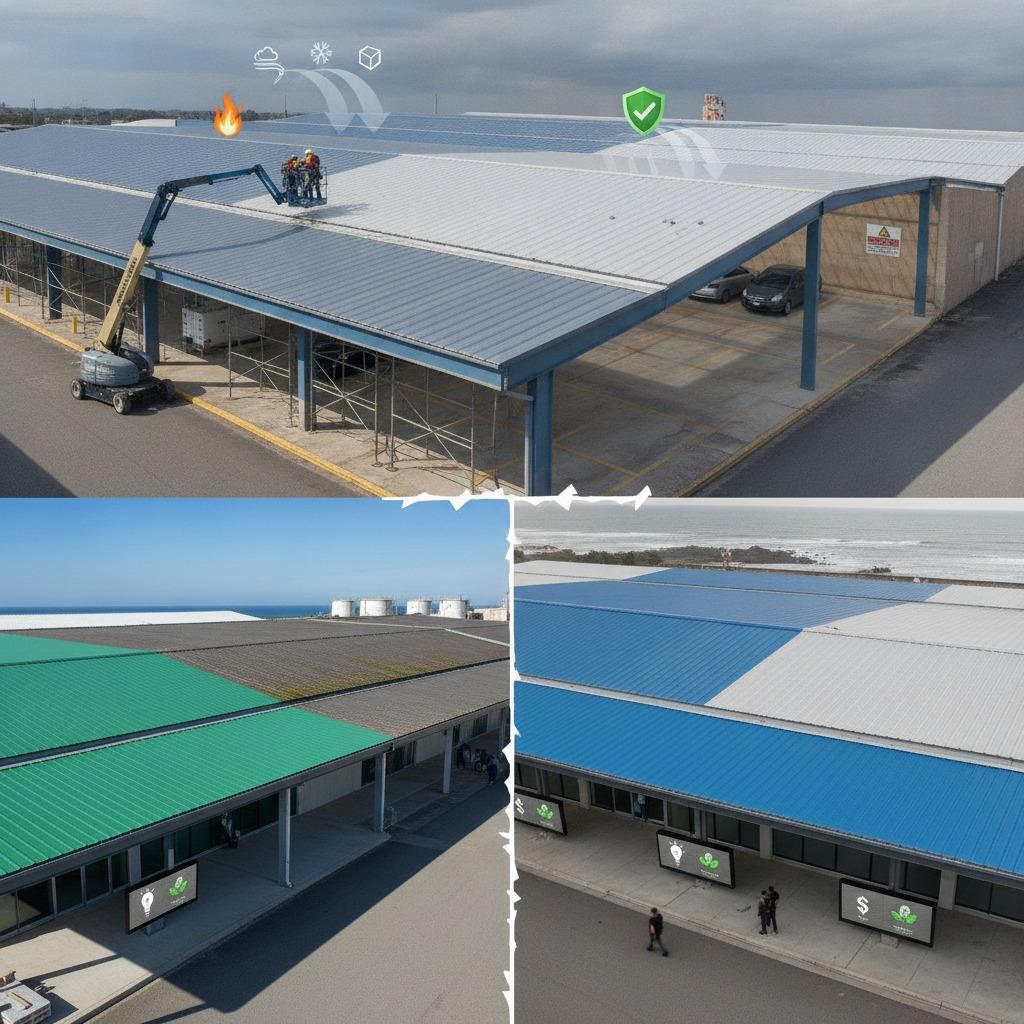
Anti-corrosive performance is not a marketing flourish; for many projects it is the main reason to specify a uPVC roof sheet in the first place. Metal roofs can perform well, but in coastal air, fertilizer storage areas, or buildings with chemical vapors, corrosion becomes a maintenance line item. Once that starts, the roof is no longer a simple envelope component. It becomes a recurring cost.
UPVC corrugated roof sheet is often evaluated as a low-absorption, weather-resistant option that avoids the familiar rust-and-recoat cycle. That can be attractive to plant managers who would rather replace fewer panels and spend less time on access equipment. Still, “anti-corrosive” does not mean invulnerable. Seals, fixings, and supporting structures can still fail if the whole roof system is not specified carefully.
Where corrugated profile helps, and where it does not
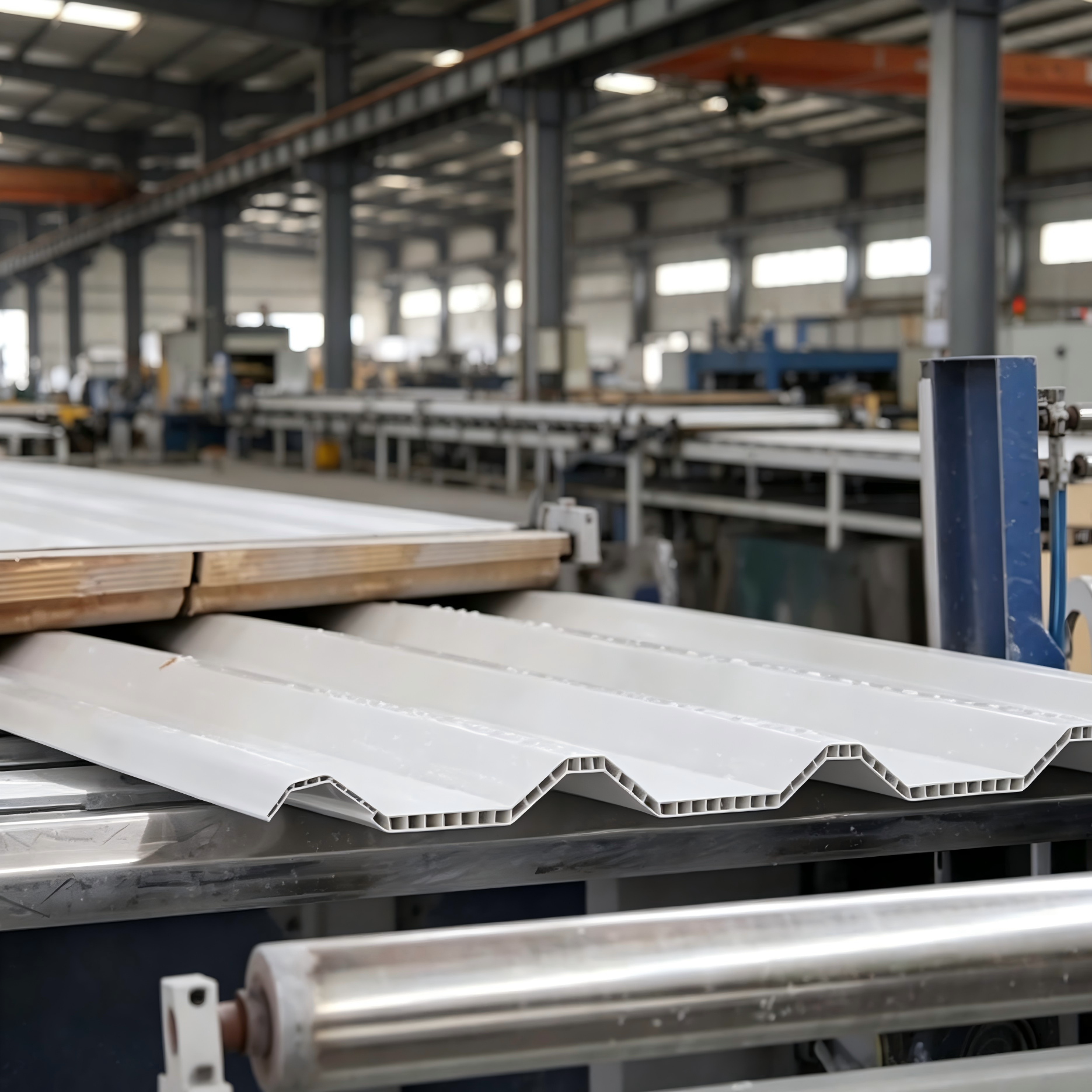
The corrugated form is not just about looks. It adds structural shape to the sheet, improving rigidity without a big weight penalty. For installers, that usually means easier handling and fewer worries about damage during transport. For buyers, it can help with installation speed, especially on long roof runs where labor time is a real part of the budget.
But profile alone does not make a roof good. A uPVC sheet roofing system should still be checked for compatibility with the building frame, spacing requirements, and local wind exposure. A light sheet on a poorly detailed roof can lift, chatter, or leak around fixings. That is the kind of problem that only shows up after the purchase order is signed.
Selection points that are worth checking early
Environment
Ask what the roof will live above. Humidity, chemical fumes, salt air, and direct sun all influence performance. A sheet that works well on a dry storage shed may not be the best fit for a livestock building or a coastal utility structure.
Thickness and stiffness
The right balance depends on span, support spacing, and how much traffic the roof might see during maintenance. Thicker is not automatically better, but under-specifying a sheet is a fast route to flexing and premature wear.
Fixings and flashing details
Even a good uPVC roofing sheet can be let down by poor fasteners, rushed overlaps, or careless edge detailing. Buyers often focus on the panel and forget the accessories. That is a mistake worth avoiding.
Common buyer mistakes
The most common mistake is treating all corrugated roofing as interchangeable. They are not. Another is assuming the cheapest panel will deliver the lowest installed cost. In practice, a slightly better sheet may save labor, reduce breakage, and avoid early replacement. There is also the habit of ignoring thermal movement. Plastic-based roofing materials move with temperature changes, and roofs need room to cope with that.
Practical next step for sourcing teams
If you are comparing UPVC corrugated roof sheet options, build your shortlist around the building environment first, then compare profile, thickness, fastening method, and supplier support. If the roof sits in a harsh or anti-corrosive application, ask for system-level guidance rather than a panel-only quote. The sheet is only one part of the assembly, and that detail tends to matter more than the brochure suggests.
For a new project or a replacement roof, the safest path is to define the service conditions clearly before price shopping. That small bit of discipline usually saves time later, and in roofing, it often saves a second purchase order too.