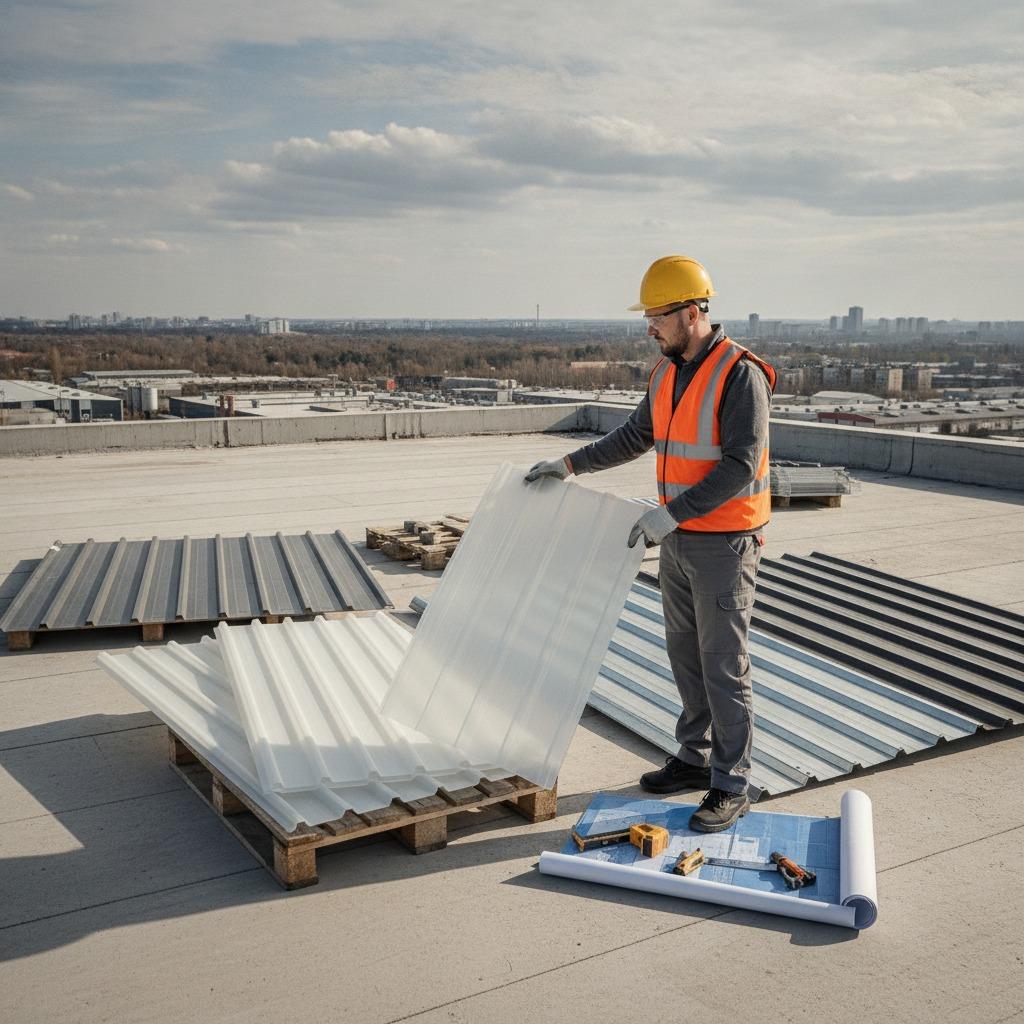
What a resin roof sheet solves on a jobsite
A resin roof sheet is usually chosen when a project needs light weight, decent weather protection, and better corrosion behavior than plain metal in harsh environments. For engineers and sourcing managers, the real question is not just whether a sheet will cover a roof, but whether it will keep its shape, handle sun exposure, and stay serviceable without constant maintenance. That matters on industrial sheds, agricultural buildings, walkways, canopies, and utility structures where downtime is expensive and rust is not acceptable.

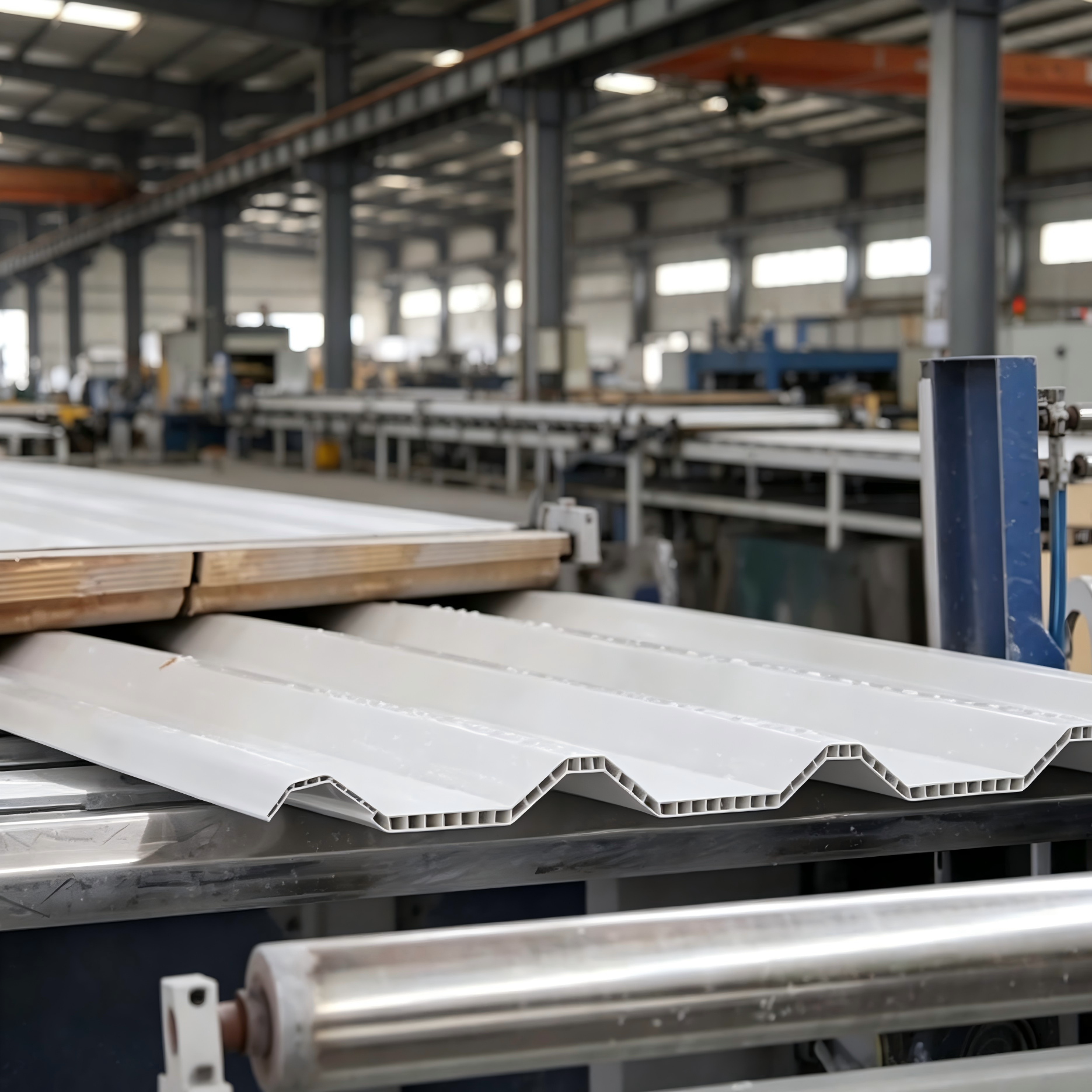
In practical terms, a resin roofing sheet can be a sensible alternative to metal or brittle materials when the design calls for easier handling and stronger resistance to moisture-related damage. Still, the material family is broad, so buyers should avoid treating all sheets as interchangeable. Thickness, profile, reinforcement, surface treatment, and installation method can change real-world performance more than a product brochure suggests.
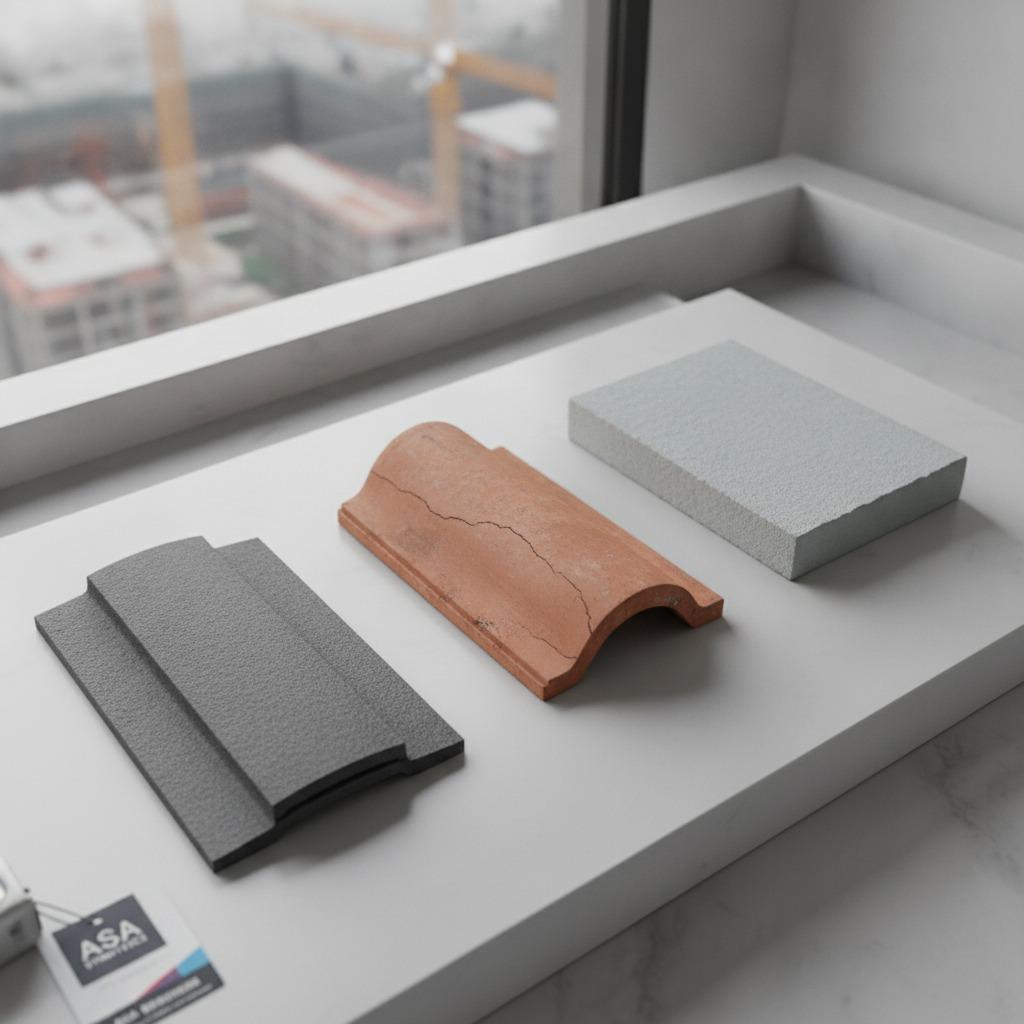
Quick way to compare common roof sheet options
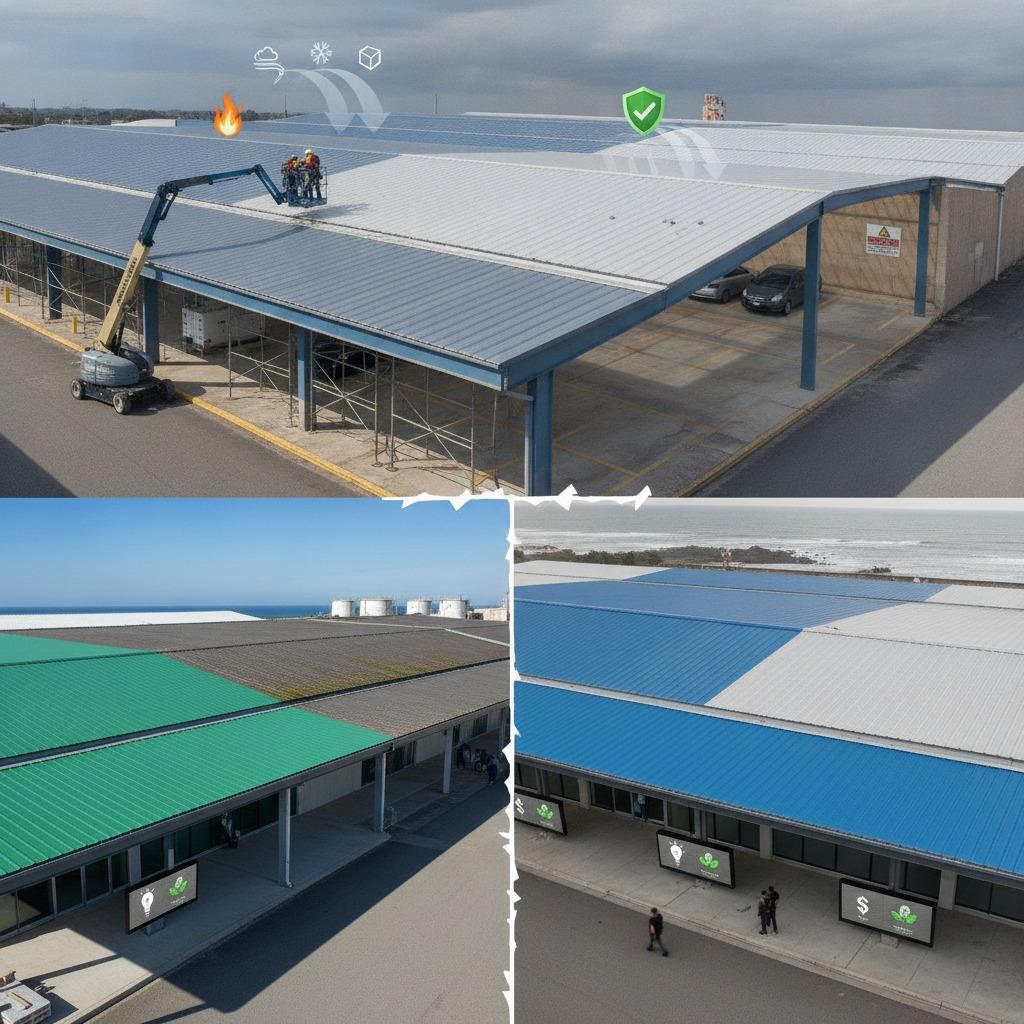
If you are deciding between a synthetic roof sheet and more familiar roofing materials, start with the environment. Coastal air, fertilizer exposure, chemical washdown zones, and strong UV exposure push the choice toward an anti-corrosive, UV resistant option. Interior loading bays or low-exposure shelters may not need the same specification level.
Points to check before you buy
Ask how the sheet handles sunlight, thermal movement, and fastening. A plastic roof sheet can be easy to install, but poor detailing around overlaps and fasteners will shorten service life. Also check whether the profile matches the supporting purlins and whether accessories are available for ridges, trims, and seals. Those small items often decide whether the roof performs well or becomes a maintenance headache.
How to select the right sheet for the application
First, define the exposure. High UV, chemical splash, or humid coastal conditions usually justify a more robust resin roofing sheet. Second, define the load path. Roof sheets are not just skins; they transfer wind and occasional maintenance loads into the structure. Third, define the visual and thermal expectations. Some projects need daylight transmission, while others need opaque coverage and heat management.
Buyers should also review installation labor. A lighter sheet can reduce handling risk, but only if the crew follows the correct overlap and fixing pattern. Skipping that step is a common mistake, and it is rarely obvious during the first week on site. Problems show up later as leaks, vibration, or stress cracking around fasteners.
Practical buying advice
When sourcing a resin roof sheet, do not focus only on unit price. Compare service environment, expected maintenance interval, and the supplier’s ability to support consistent dimensions from batch to batch. If the project is exposed to aggressive weather or chemicals, ask for the material’s UV resistance and anti-corrosive positioning in plain language, not marketing language.
For teams preparing an RFQ, the useful shortlist is simple: roof pitch, span, climate, chemical exposure, preferred profile, fixing method, and any daylight or insulation requirement. That information helps suppliers recommend the right synthetic roof sheet instead of sending a generic quote.
Common mistakes to avoid
The biggest error is assuming every plastic roof sheet is suitable for the same use. Another is underestimating expansion and contraction. A third is buying a sheet that looks good on paper but lacks matching installation accessories. These issues are easy to overlook during procurement and annoying to correct after the roof is up.
Next step for engineers and buyers
If you are comparing options for a new build or retrofit, write down the exposure conditions first, then ask suppliers to map material choice to those conditions. That simple sequence usually leads to a better resin roof sheet selection and fewer surprises on site.