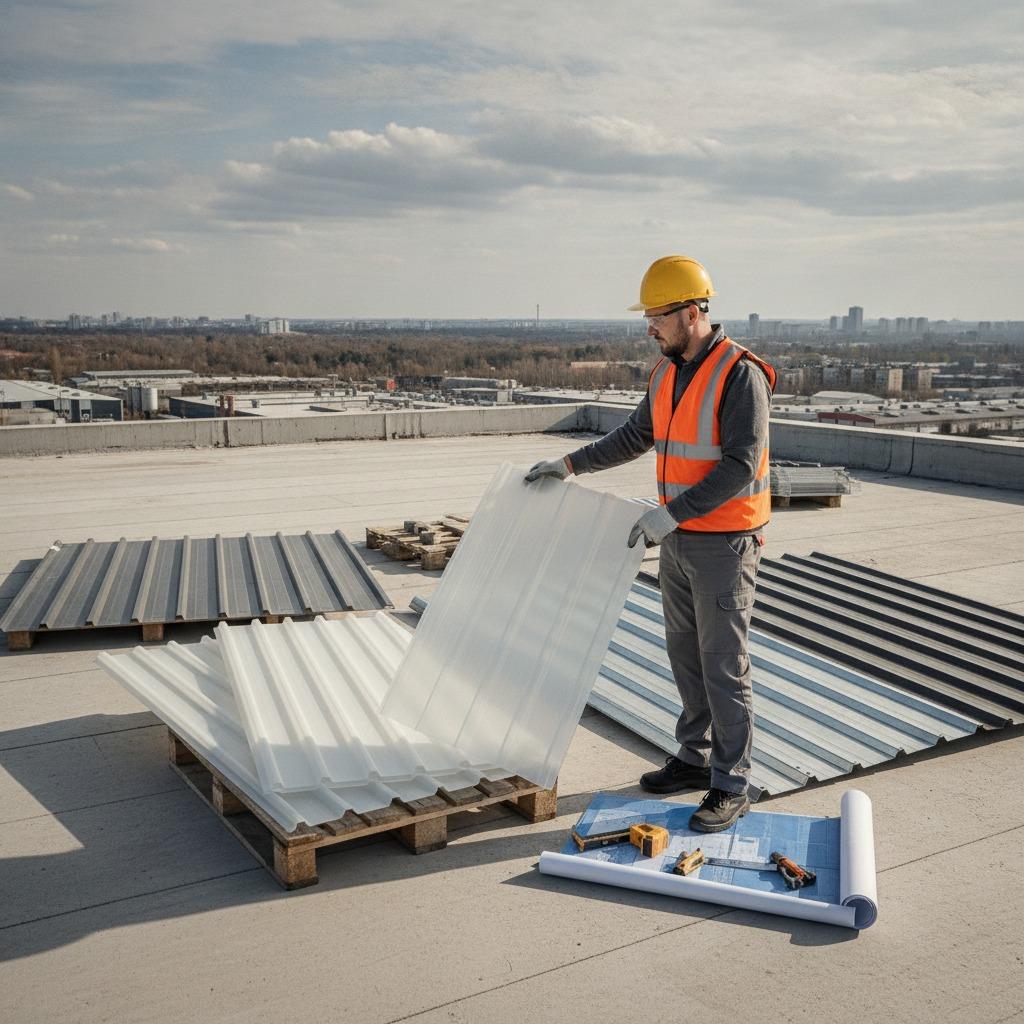
Why resin roof panels keep showing up in modern roofing projects
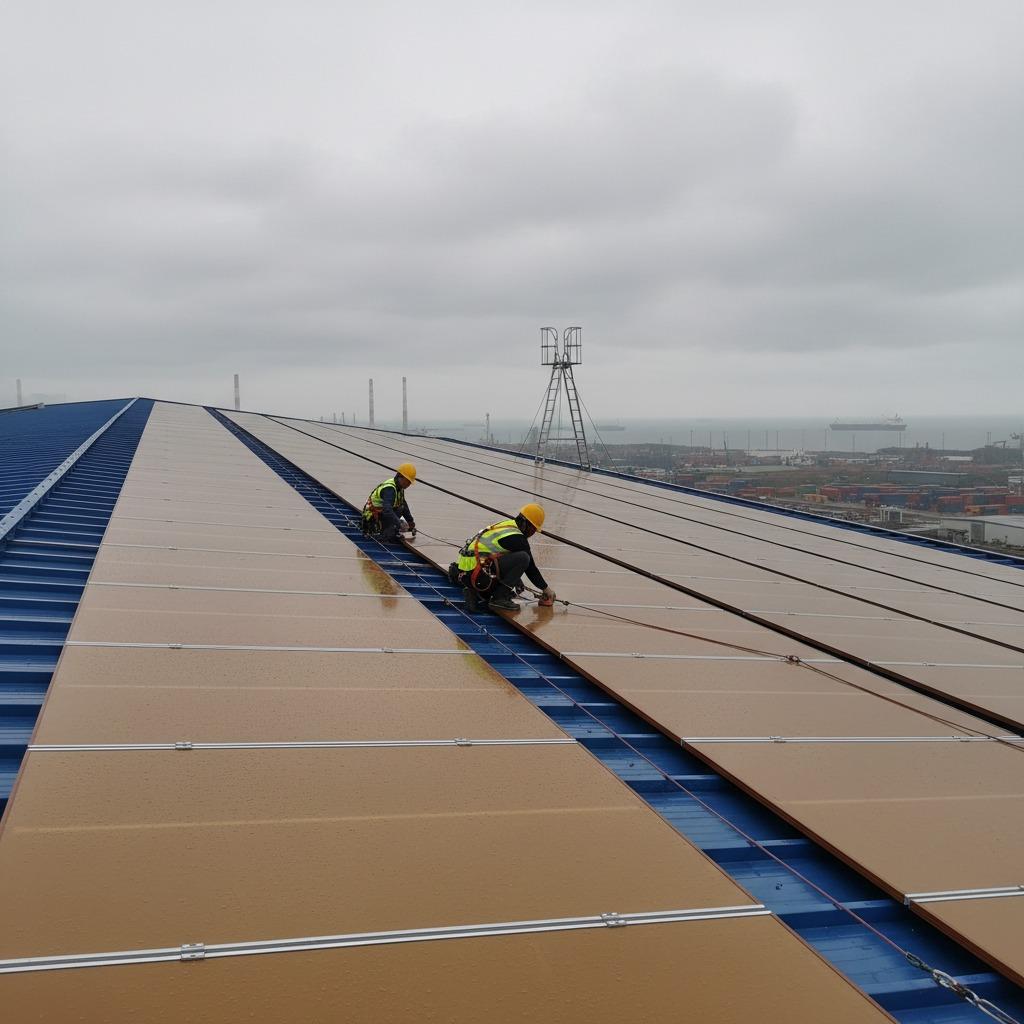
Resin roof panels are usually not the first material that gets everyone excited in a project meeting, but they often become the practical answer when a roof has to handle weather, moisture, and chemical exposure without turning into a maintenance headache. For engineers, sourcing managers, and product teams, the real question is not whether the material sounds modern. It is whether the roof system will stay stable, light enough to install efficiently, and durable enough to justify the purchase.
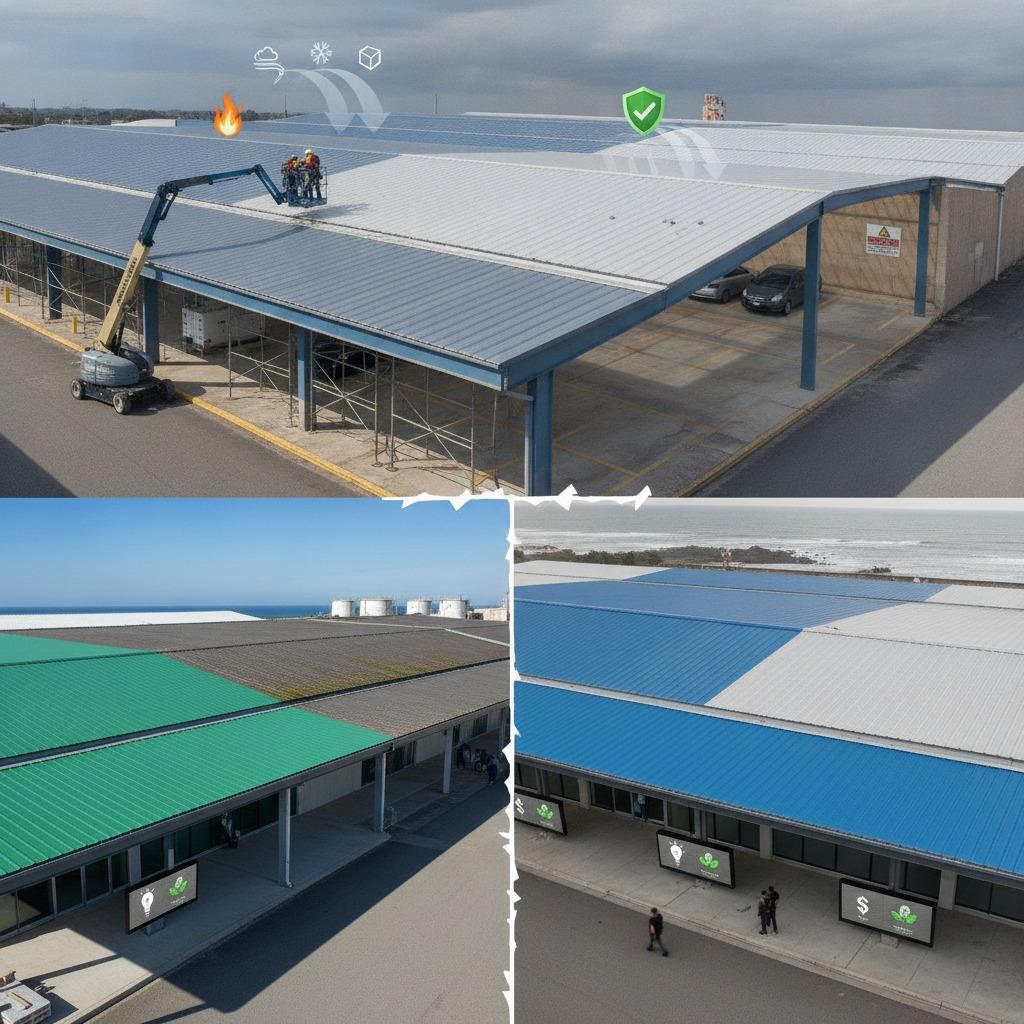
That is where resin roofing panels tend to earn their place. In plain terms, they are chosen when corrosion, UV exposure, and long-term service life matter more than decorative appeal. In some facilities, that means a warehouse near coastal air. In others, it means a plant where fumes or damp conditions make traditional materials work harder than they should.
What buyers usually want to know first
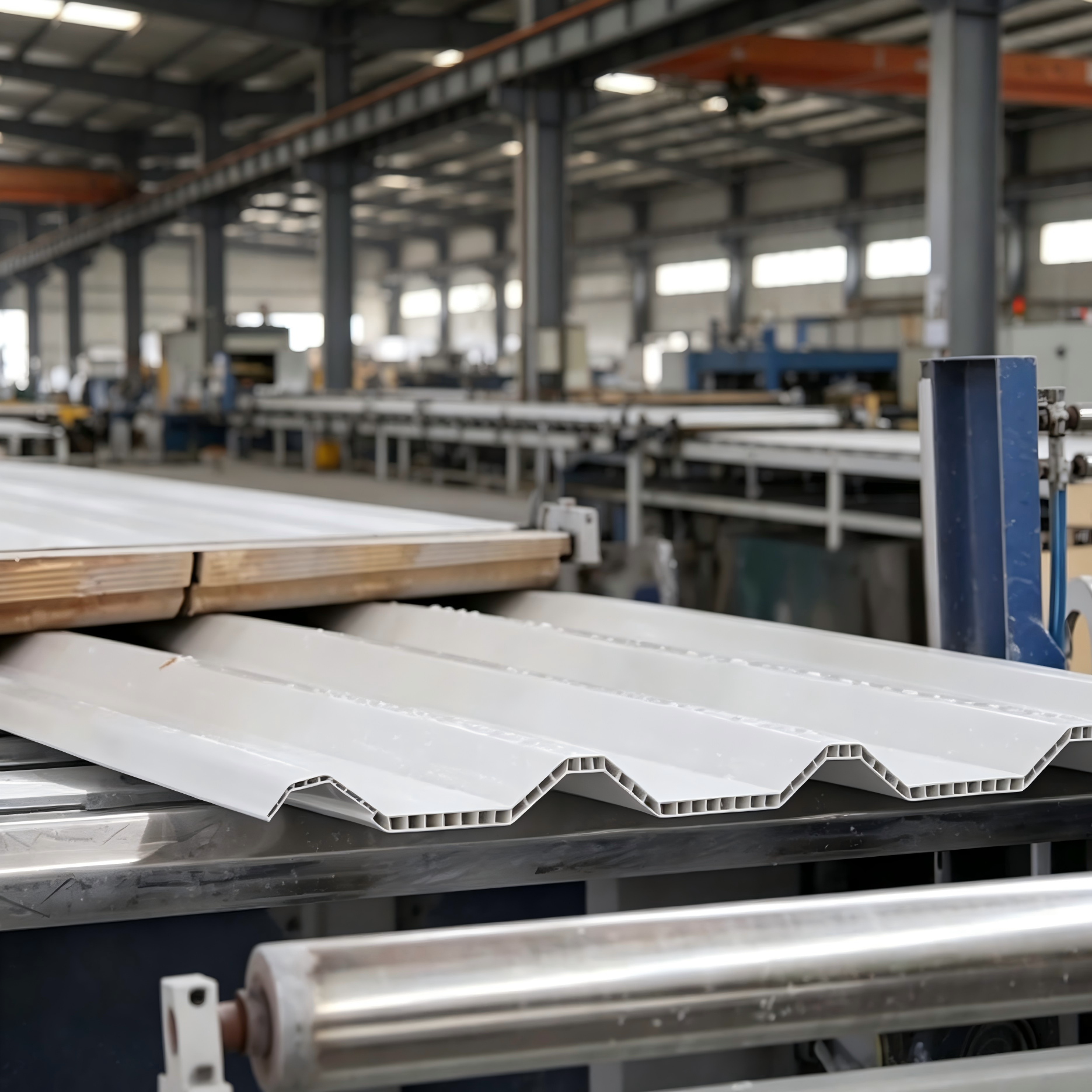
A quick way to think about resin roof panel sheets is this: they are often selected for environments where metal may need extra protection and conventional roofing can age faster than planned. The exact performance depends on the formulation and the panel construction, so it is worth checking the details rather than assuming all panels behave the same.
For many buyers, the shortlist comes down to a few practical checks:
Exposure
Will the roof see frequent sun, standing moisture, or a corrosive atmosphere? If so, anti-corrosive behavior matters more than surface appearance.
Handling and installation
Lighter materials can reduce installation strain and sometimes simplify retrofits, but only if the panel profile and fixing method suit the structure.
Service expectations
A roof is one of those components that gets ignored until it leaks. That makes UV resistance and weather stability worth taking seriously, especially when the building is expected to stay in service for years.
Where resin composite roof panels make sense
Resin composite roof panels are often discussed in the same breath as industrial buildings, agricultural structures, and exposed utility areas. That is not because they are a universal replacement for every roofing option. It is because they address a familiar set of pain points: rust, moisture intrusion, and premature surface breakdown.
They can be a sensible option when:
- the site has persistent humidity or washdown conditions
- corrosion from air, chemicals, or coastal exposure is a concern
- the project needs a roof with dependable UV resistant performance
- maintenance access will be difficult after installation
The caution, of course, is that “resin” covers more than one material approach. A buyer should not treat every anti-corrosion claim as interchangeable. Panel thickness, reinforcement, surface treatment, and profile design all affect how the roof behaves in real use.
How to evaluate suppliers without overcomplicating the process
A lot of roofing sourcing goes wrong when teams compare only price and appearance. That is a shortcut that usually gets expensive later. The better approach is to ask for enough technical detail to match the panel to the building’s actual environment.
Start with the basics: what is the panel construction, what exposure is it meant for, and how does it handle UV resistance over time? If the supplier cannot explain the use case clearly, that is usually a warning sign. Ask for installation guidance as well. A good panel can still underperform if the fixing method is wrong or the roof pitch is unsuitable.
Buyers also tend to overlook compatibility. Resin roof panel sheets may look straightforward, but they still need to fit the structure, fasteners, and drainage plan. That is especially true in retrofit jobs, where the old roof geometry can be less forgiving than the drawing suggests.
Common mistakes that cost time later
One common mistake is assuming anti-corrosive means maintenance-free. It does not. It usually means the roof is better suited to hostile environments, not that it can be installed carelessly or ignored forever.
Another is choosing a product based on a single feature. UV resistance matters, but so do load requirements, thermal movement, and the quality of the edge details. The roof does not fail in a brochure-friendly way; it fails at the seams, the fixings, or the overlooked transitions.
A practical next step for buyers
If you are evaluating resin roofing panels for a project, begin with the environment, then narrow the material options, then compare installation and maintenance expectations. That sequence saves more time than collecting a stack of generic quotes.
For product teams and sourcing managers, the best next step is usually a technical conversation with the supplier: ask how their resin composite roof panels are built, where they are intended to be used, and what kind of anti-corrosion and UV resistant performance can reasonably be expected in your application.