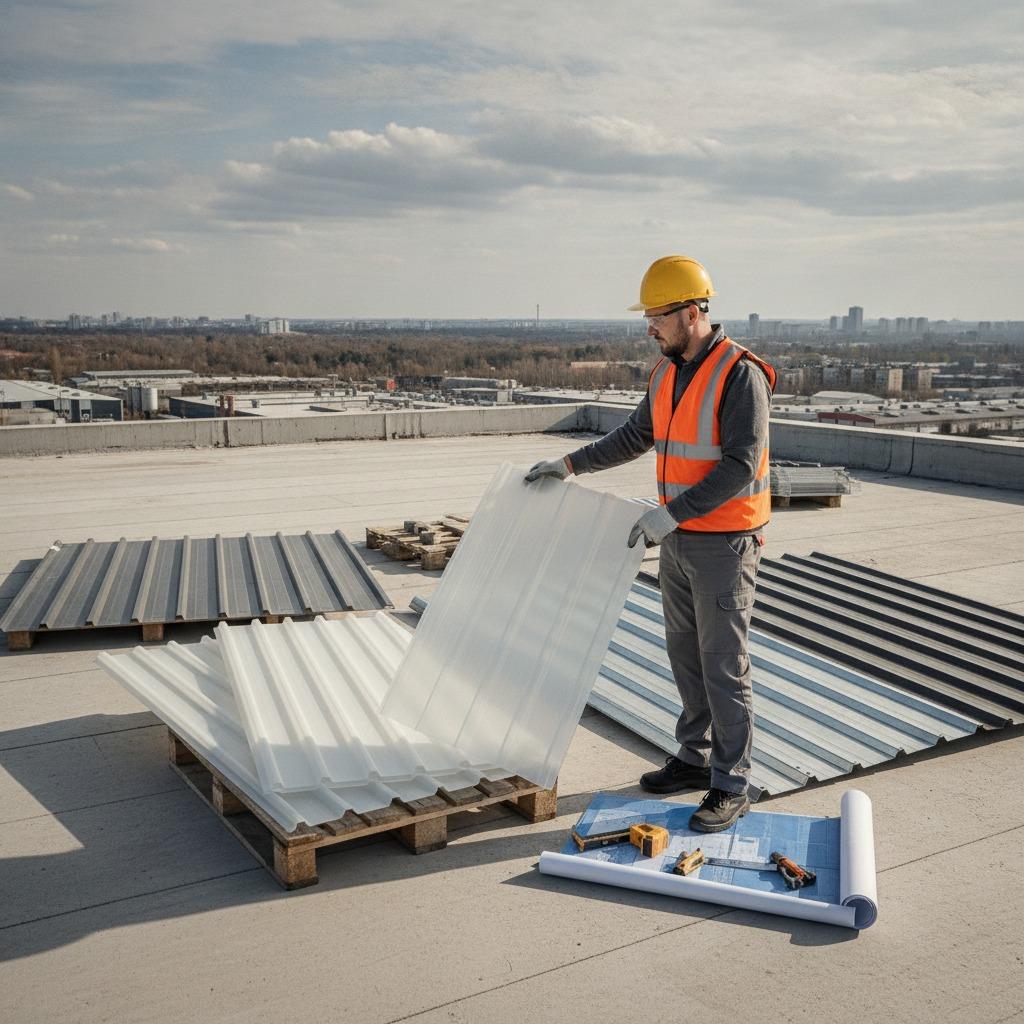
Introduction to the UPVC tile in Chile
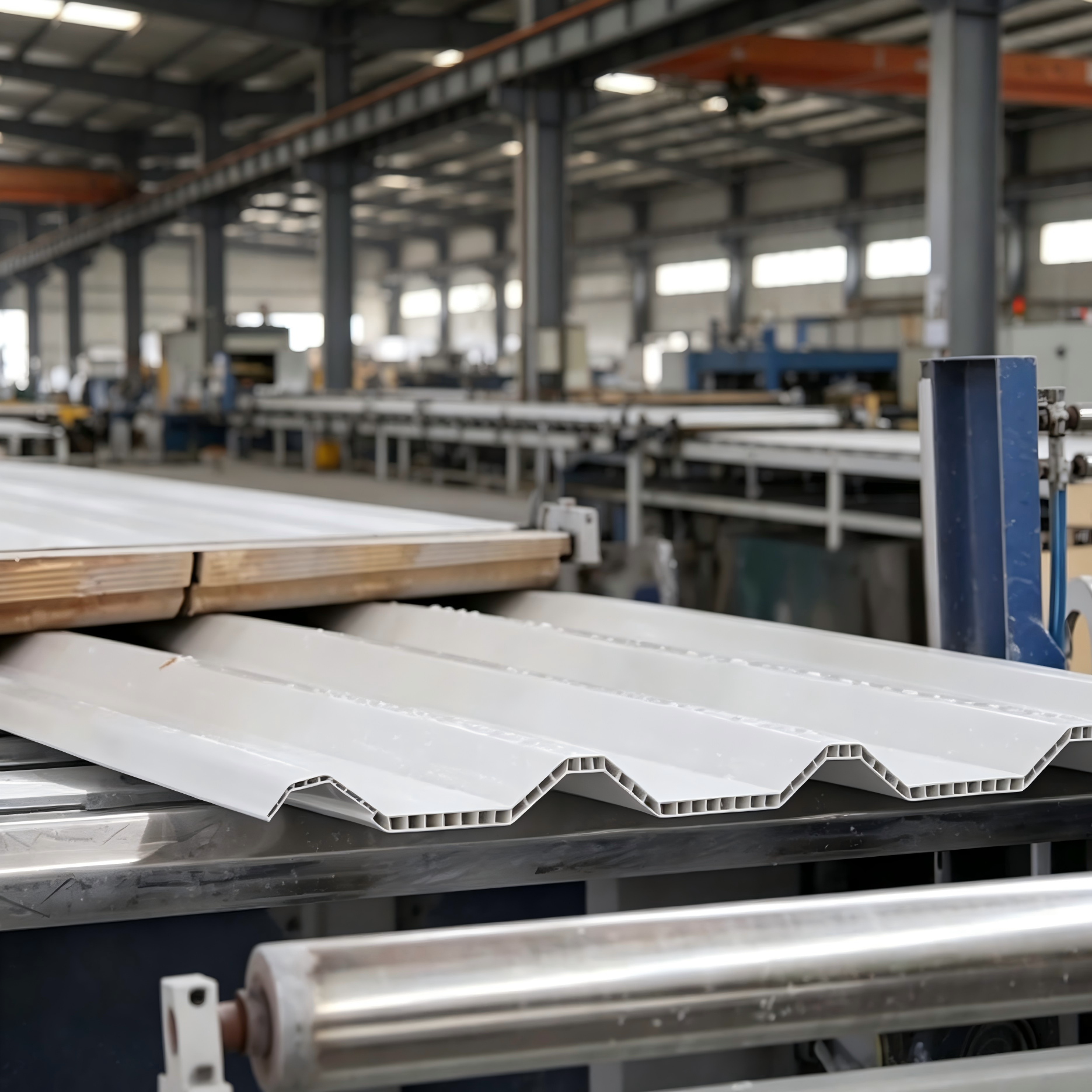
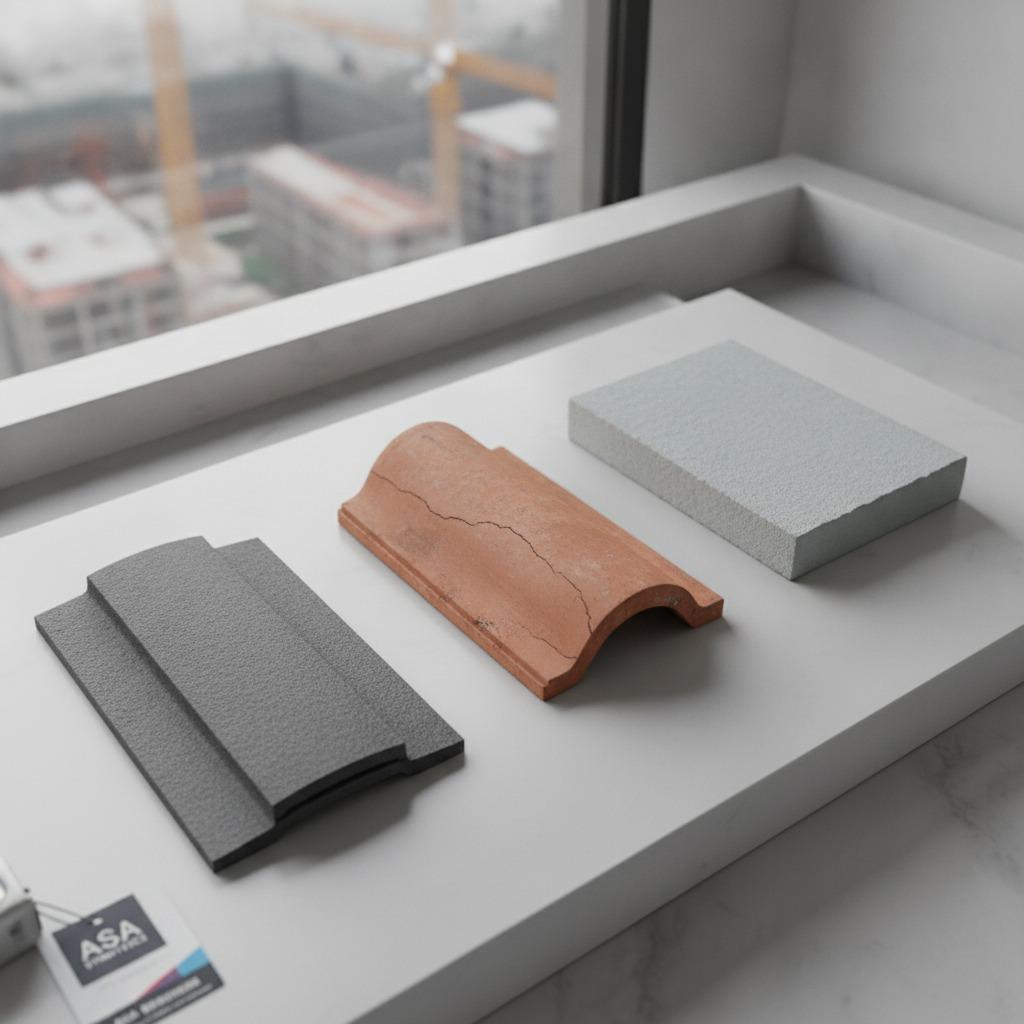
The UPVC tile in Chile represents an innovative and durable solution for the construction of roofs in various environments. This material, known for its strength and versatility, has become popular in the country due to variable weather conditions, from heavy rain in the south to the scorching sun in the north. UPVC tile, made from non-plasticised polyvinyl chloride, offers an environmentally friendly and low-maintenance alternative compared to traditional options such as metal or clay. According to data from the construction industry in Chile, its use has increased by 25% in the last five years, driven by energy efficiency and sustainability regulations.
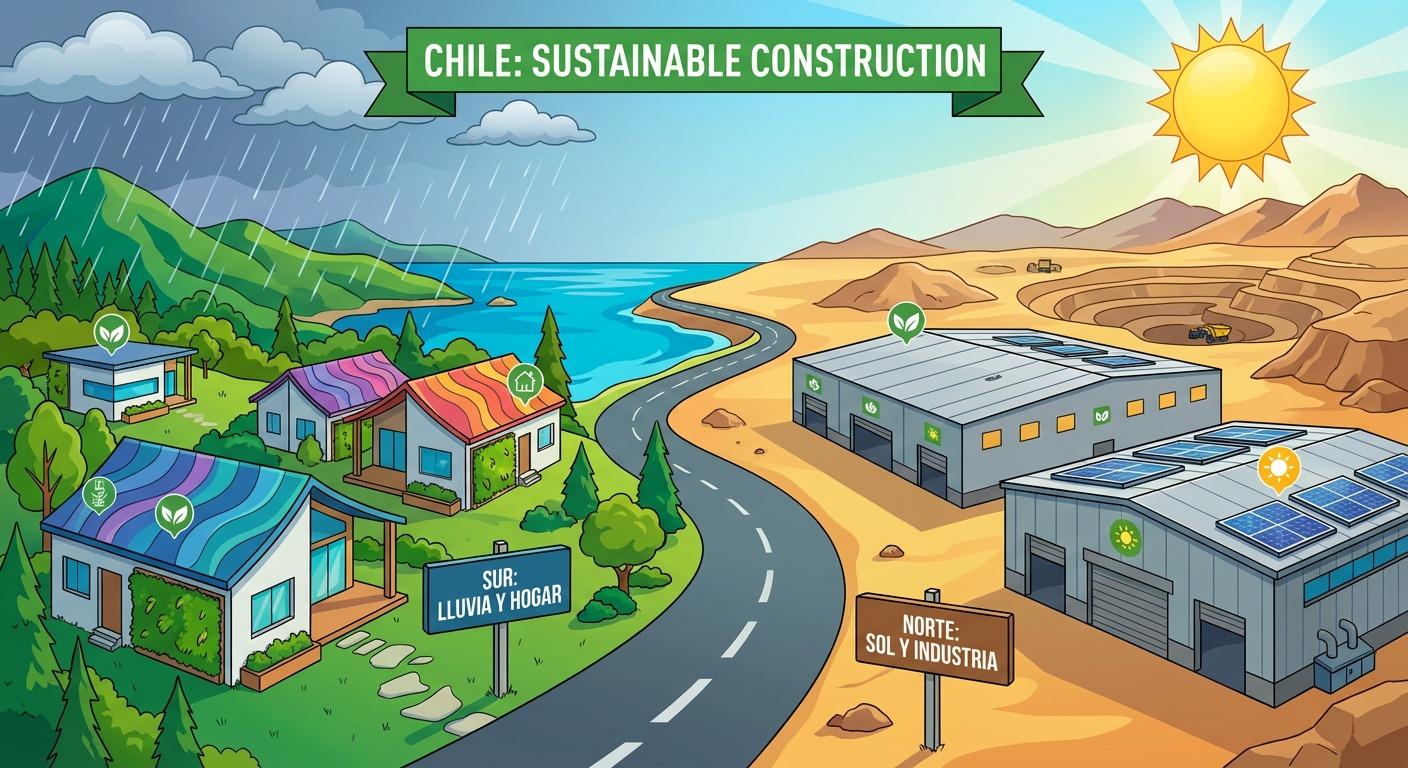
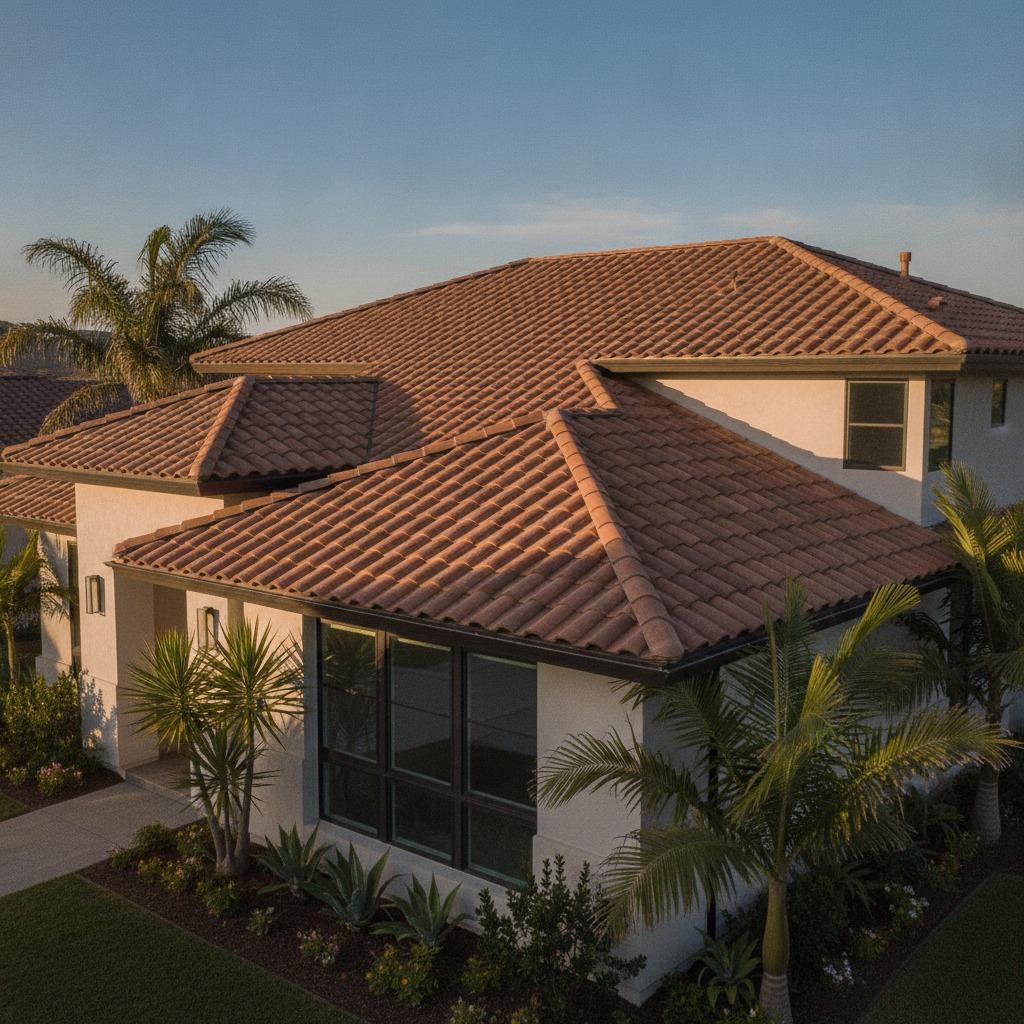
Applications of residential PVC tile
In the residential field, residential PVC tile is ideal for homes and condominiums, providing superior thermal and acoustic insulation. These lightweight tiles facilitate installation on existing structures, reducing labor costs by up to 30%, as indicated by studies by the Chilean Chamber of Construction. Its corrugated or flat design allows a modern aesthetic, adapting to various architectural styles. In addition, they resist corrosion and mold, common in humid areas such as Valparaíso or Concepción, extending the useful life of roofs beyond 50 years with minimal maintenance.
Industrial and commercial uses of UPVC tile
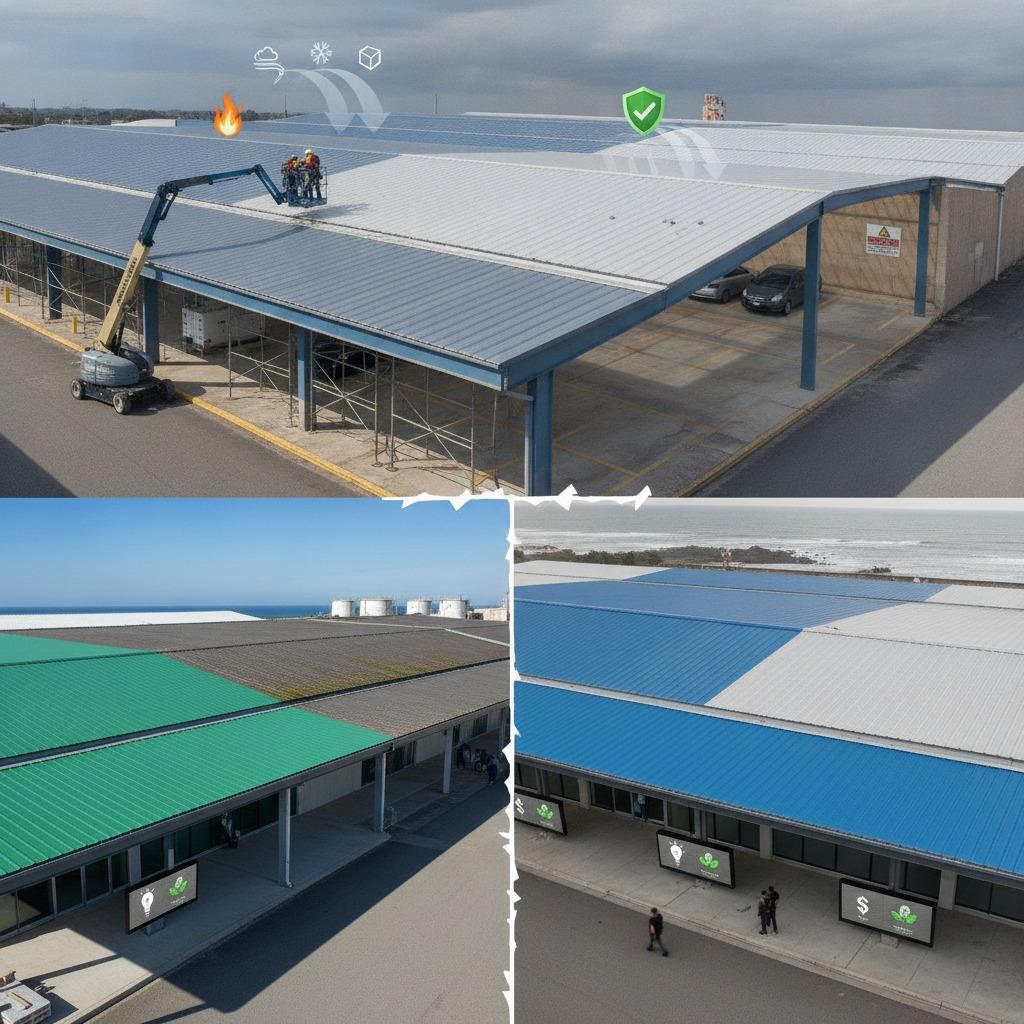
For industrial projects, the industrial uPVC tile stands out for its robustness in highly demanding environments, such as factories and warehouses in mining regions of northern Chile. It supports heavy loads and extreme temperature variations, contributing to workplace safety and compliance with ISO standards. In the commercial sector, commercial PVC tile is used in shopping centers and offices, where durability and low environmental impact are key. Statistics from the Ministry of Housing and Urban Planning reveal that these materials reduce energy consumption by 15% by improving insulation, aligning with national carbon neutrality goals for 2050. In summary, UPVC tiles in Chile not only optimize long-term costs, but also promote greener and more efficient construction.