What Buyers Really Need to Know About an ASA PVC Roof Tile Factory
If you are comparing suppliers, the phrase asa pvc roof tile factory should mean more than a line in a catalog. It should tell you something about material control, extrusion consistency, weather performance, and whether the plant can produce roof tiles that hold their shape after long exposure to sun and rain. For sourcing teams and project managers, that matters because roof tile failures are expensive, visible, and hard to excuse once they are on a building.
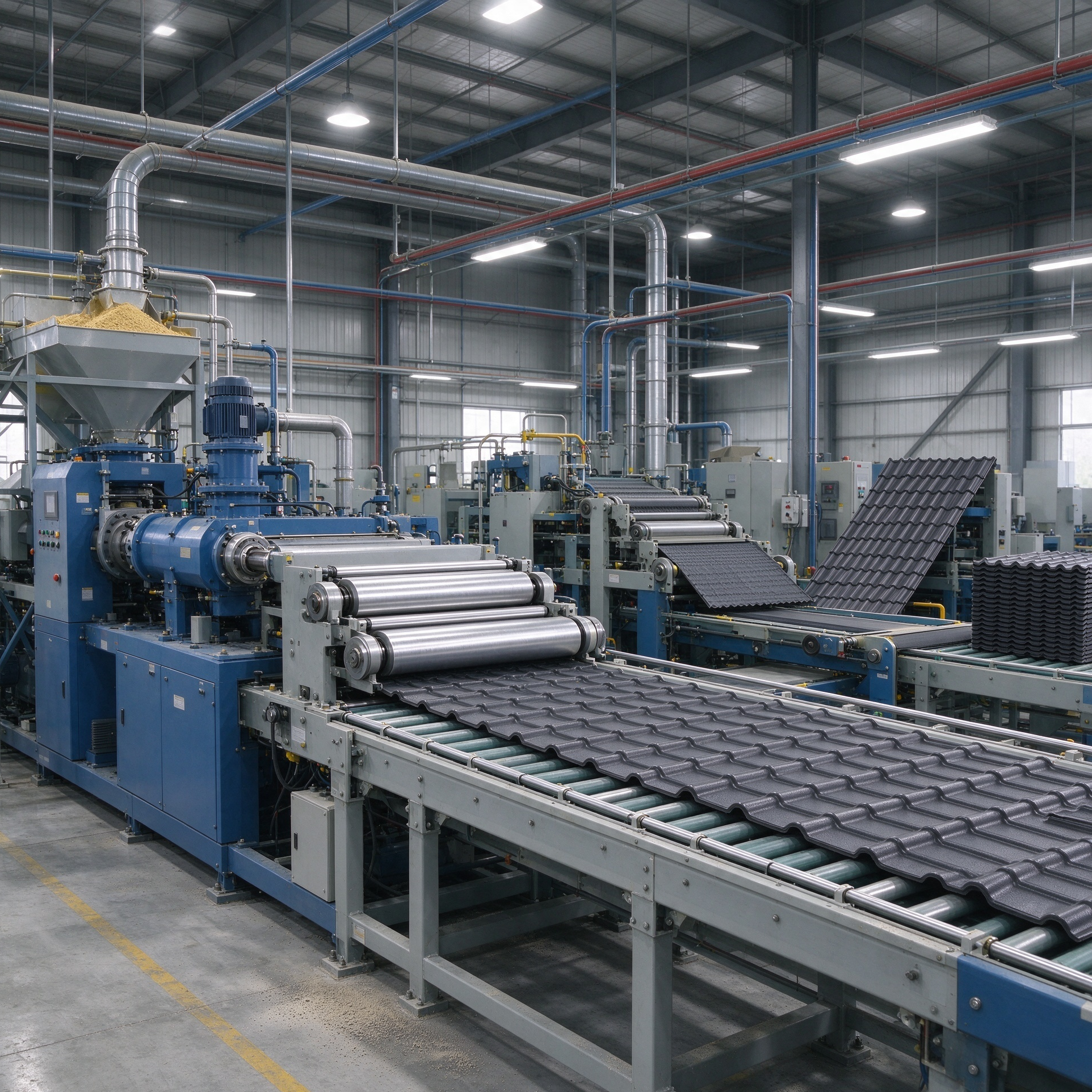
ASA PVC roofing is often chosen for projects that need a lightweight alternative to traditional clay or metal roofing. The appeal is straightforward: better corrosion resistance than metal in many environments, lower dead load than heavier roofing systems, and a surface that can be engineered for color stability and weather resistance. But the final result depends heavily on the factory behind it. A good plant is not just selling a product; it is controlling the resin blend, the extrusion process, the forming profile, and the consistency of each batch.
Why the Factory Matters More Than the Brochure
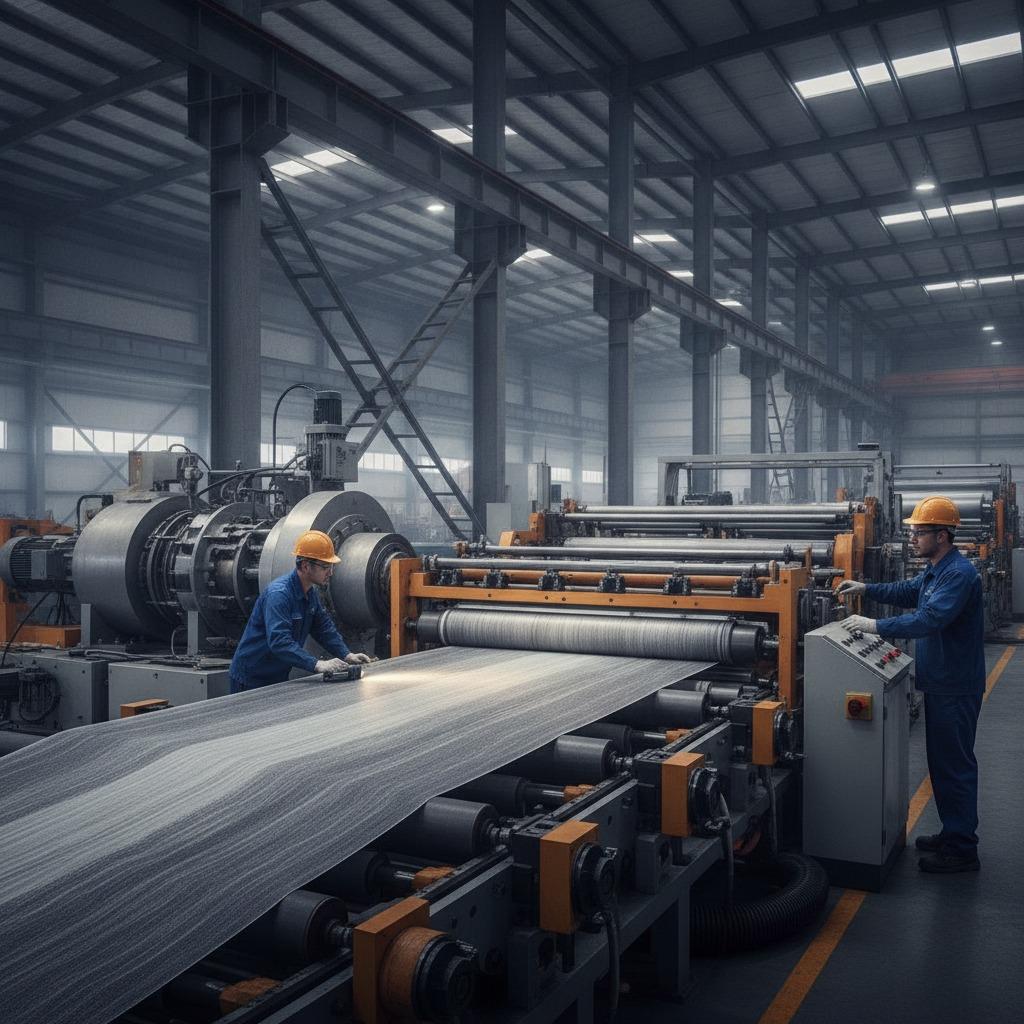
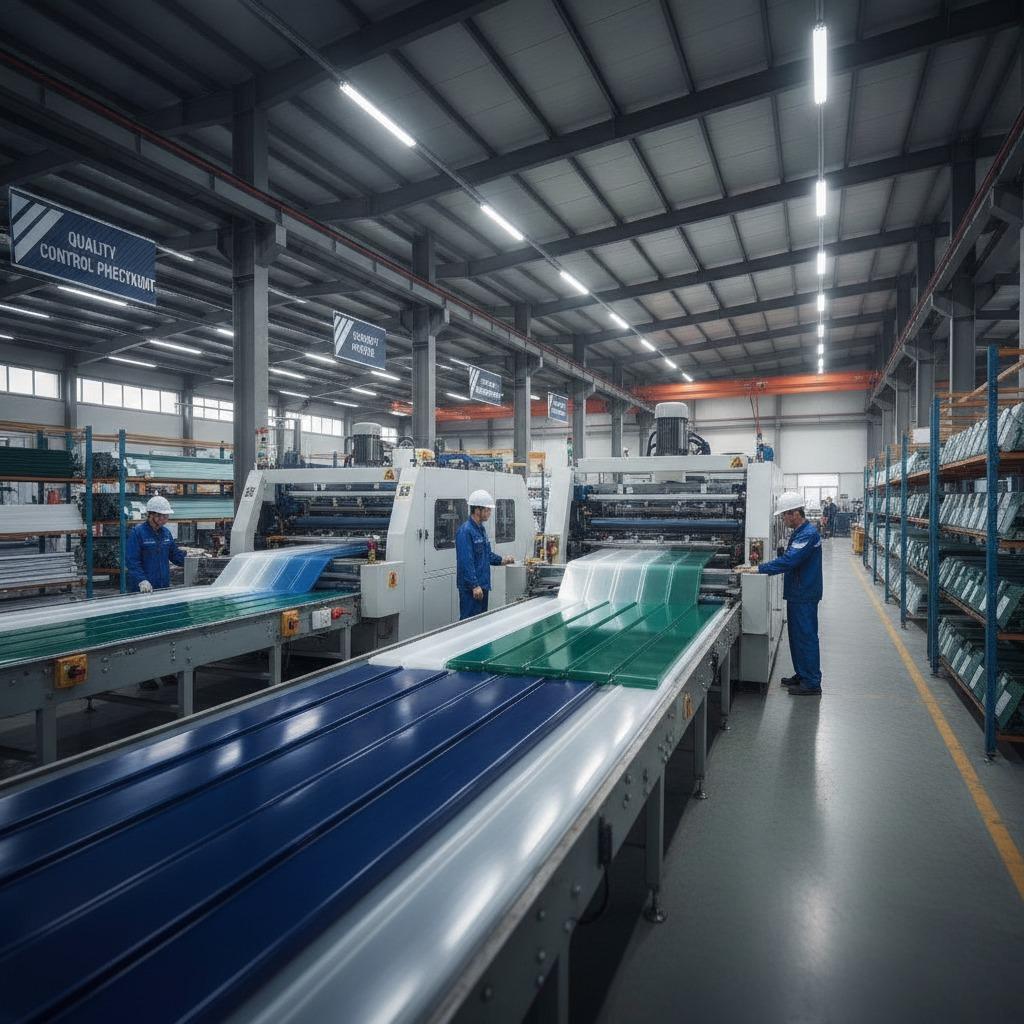
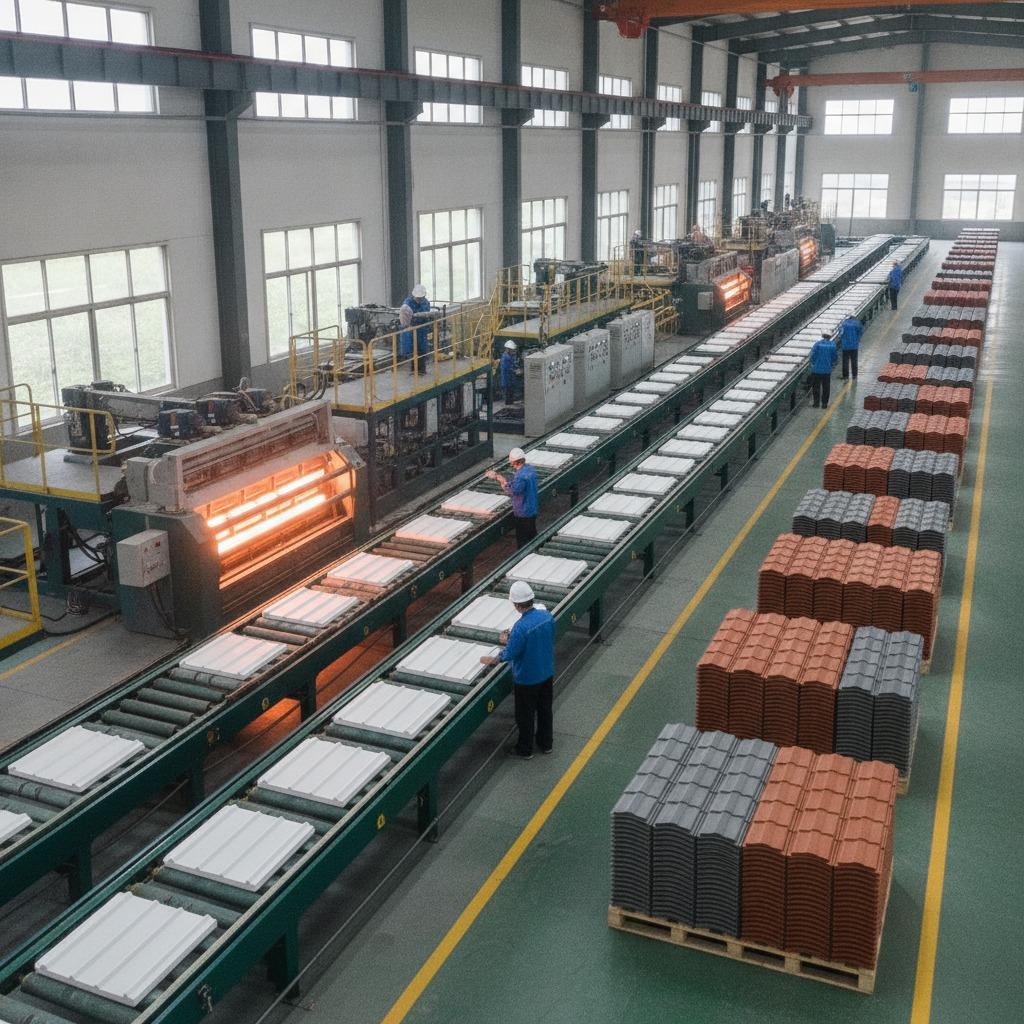
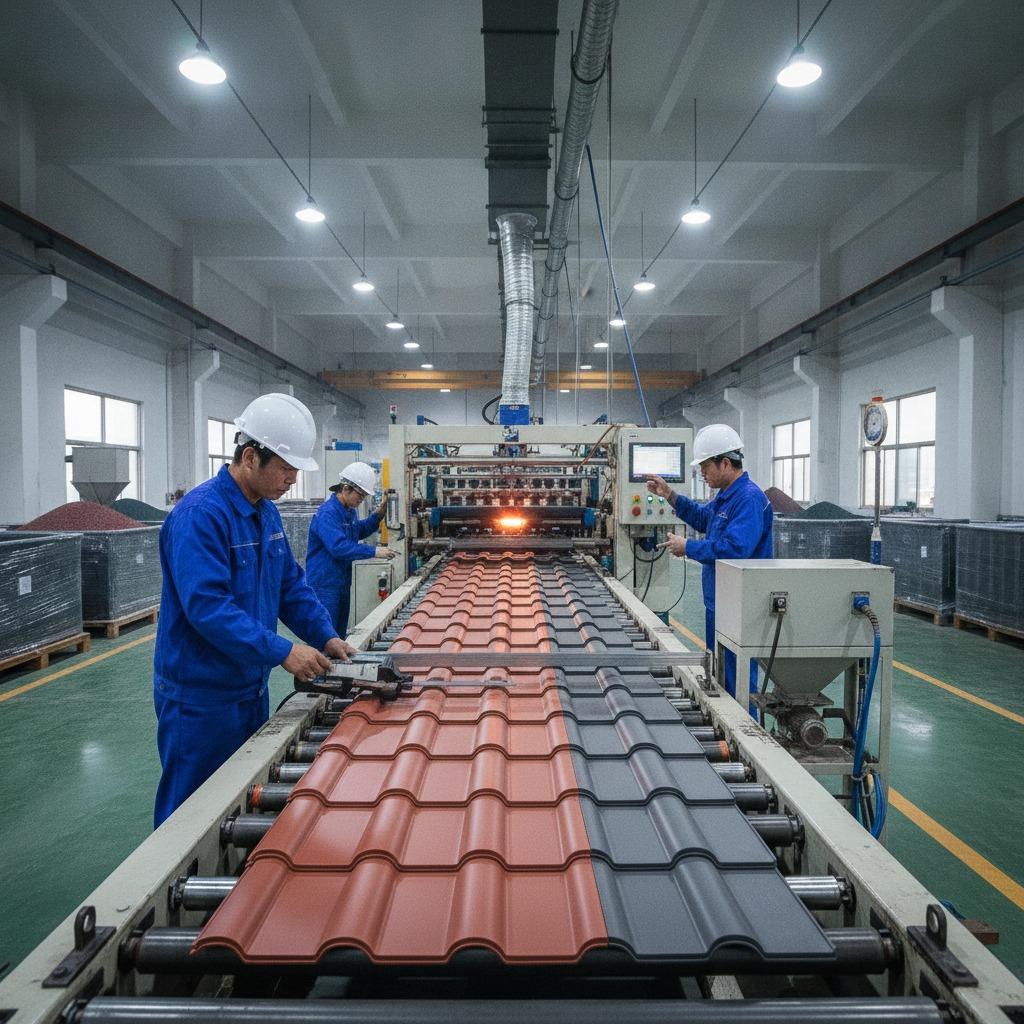
Two roof tiles can look similar at first glance and perform very differently after installation. That is why buyers should pay close attention to the production side of the equation. A capable pvc roof tile factory usually focuses on repeatable profile geometry, stable surface finish, and a manufacturing line that can maintain thickness and color from run to run. If those fundamentals drift, installers notice it quickly. Tiles do not seat as cleanly, overlap behavior changes, and the roof can begin to look uneven long before any technical failure appears.
ASA is typically used as a top layer or surface component for outdoor weather resistance, while PVC provides the structural body of the tile. In practice, that means the factory must manage more than one material behavior at once. Heat, pressure, and cooling all affect how the finished tile performs. A plant that understands those interactions will usually ask sharper questions during specification review, especially about climate, roof pitch, span, and expected exposure.
Key Checks Before You Shortlist a Supplier
Before moving forward with any pvc roof factory, buyers should ask for a few plain-language answers. What raw materials are used in the roofing formulation? How is the surface layer designed for weathering? What profile options are available? Can the plant support the dimensions and color range needed for the project? These are not exotic questions, but they separate serious manufacturers from trading desks that simply repackage whatever they can source.
1. Material structure
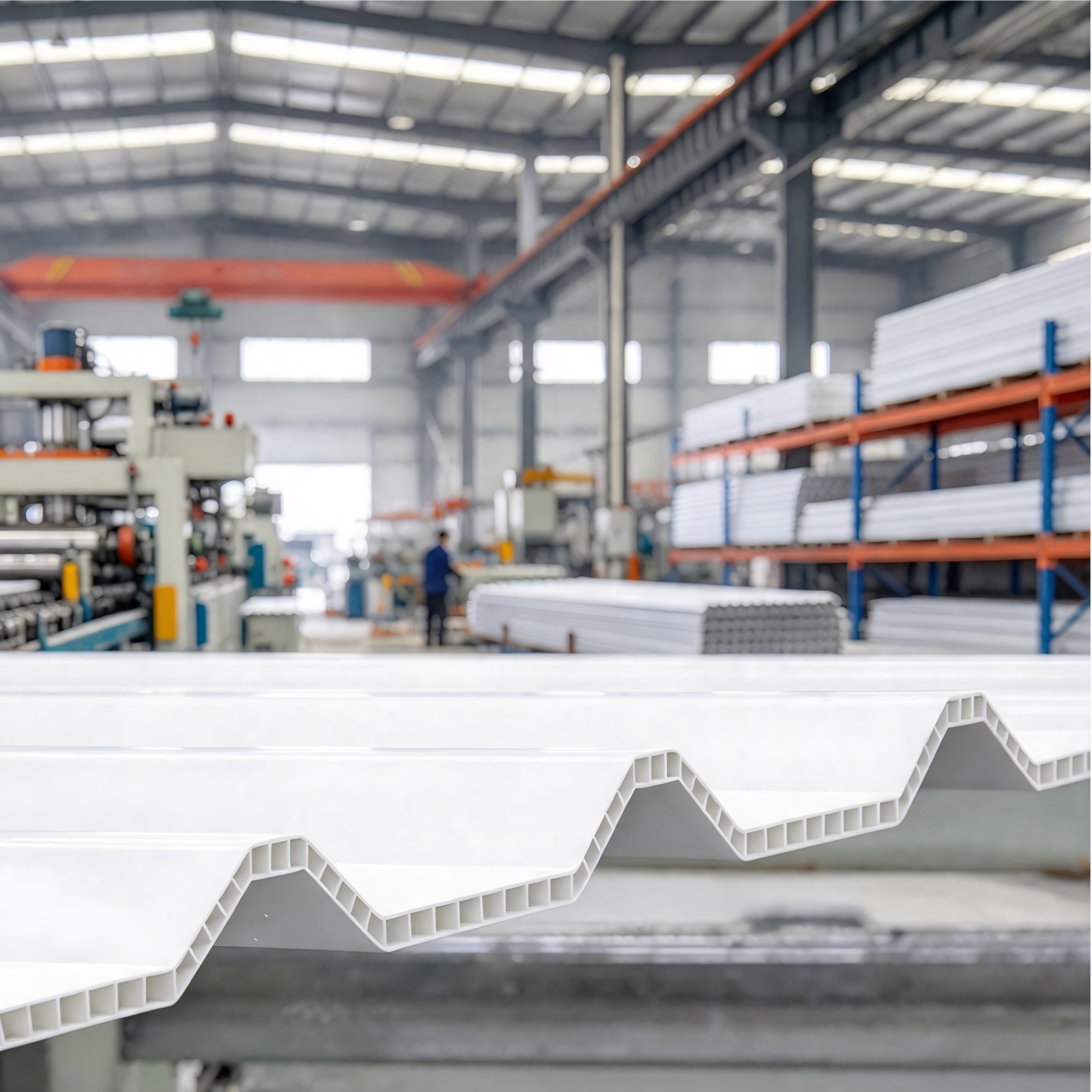
Confirm whether the tile is truly ASA/PVC composite roofing or a different plastic roofing type with similar marketing language. That distinction affects UV resistance, appearance over time, and suitability for long-term outdoor use.
2. Production consistency
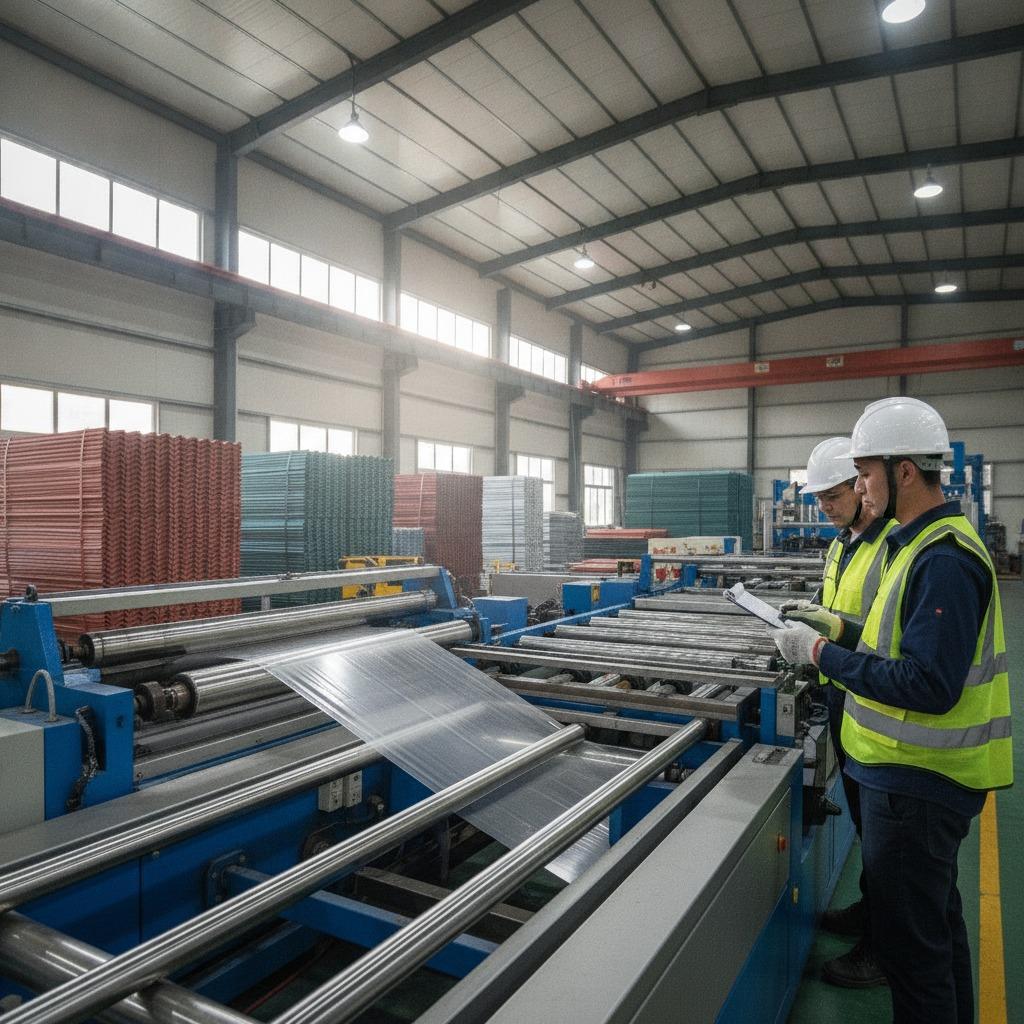
Ask how the factory controls thickness, width, and surface finish during extrusion. Even small variation can make installation slower and create visible mismatches across a roof plane.
3. Application fit
A roof tile that works well in one climate may be less convincing in another. High sun exposure, coastal air, frequent rain, and strong temperature swings all put different stresses on the material. A practical supplier will discuss those conditions without overpromising.
Common Buyer Mistakes
One common mistake is treating all plastic roof tiles as interchangeable. They are not. Another is focusing only on price per square meter and ignoring profile compatibility, fastening method, and the cost of rework if the tiles do not install cleanly. Buyers also sometimes overlook sample inspection. A sample tile can reveal surface texture, rigidity, and color tone in a way no spec sheet can.
There is also a quiet trap in assuming a factory with broad product claims has equal strength in every category. Some plants are better at sheet extrusion than tile profiles. Others can produce attractive surfaces but struggle with dimensional control. If the roof will sit on a public building, warehouse, or housing project with repeat units, that difference becomes painfully obvious.
What Engineers and Sourcing Teams Should Compare
When comparing suppliers, it helps to separate visual appeal from technical risk. A roof tile should be judged on profile stability, weather-facing surface design, ease of installation, and suitability for the local environment. For procurement teams, production reliability and communication matter just as much as the product itself. A factory that answers technical questions clearly usually makes better long-term partners than one that stays vague until after the order is placed.
It is also sensible to ask for installation guidance. Even a strong roofing product can perform poorly if fastening, overlap, or support spacing is handled casually. Good suppliers know this and usually provide practical instructions rather than assuming the installer will figure it out on site. That small detail often reveals whether the factory is thinking like a manufacturer or merely a seller.
When an ASA PVC Roofing Line Makes Sense
An ASA PVC roof tile is often a good fit where lightweight construction, weather resistance, and a clean finished look are all important. That includes many industrial buildings, agricultural structures, residential developments, and renovation projects where the existing frame cannot carry a heavier roofing load. The material is not a universal answer, but it is a useful one when the design brief calls for durability without excess weight.
For buyers, the real decision is not simply whether to choose plastic roofing. It is whether the factory can deliver a consistent roof tile that matches the project conditions and installation method. If that part is right, the rest tends to follow more smoothly.
Next Step
If you are evaluating an asa pvc roof tile factory, start with samples, ask direct questions about material structure and production control, and compare more than the price. A roof is too visible and too costly to fix later to rely on guesswork. The right supplier should be able to explain how the tile is made, where it fits best, and what conditions it is designed to handle.