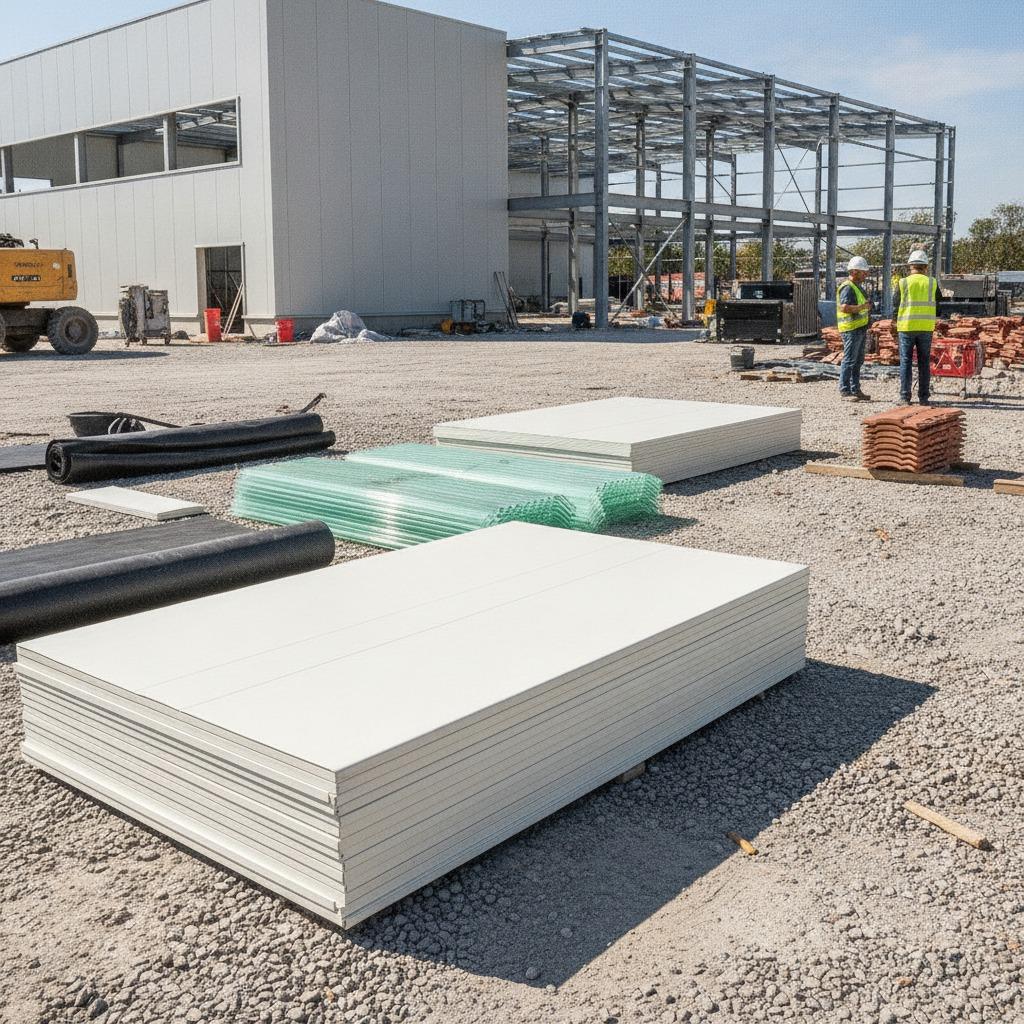
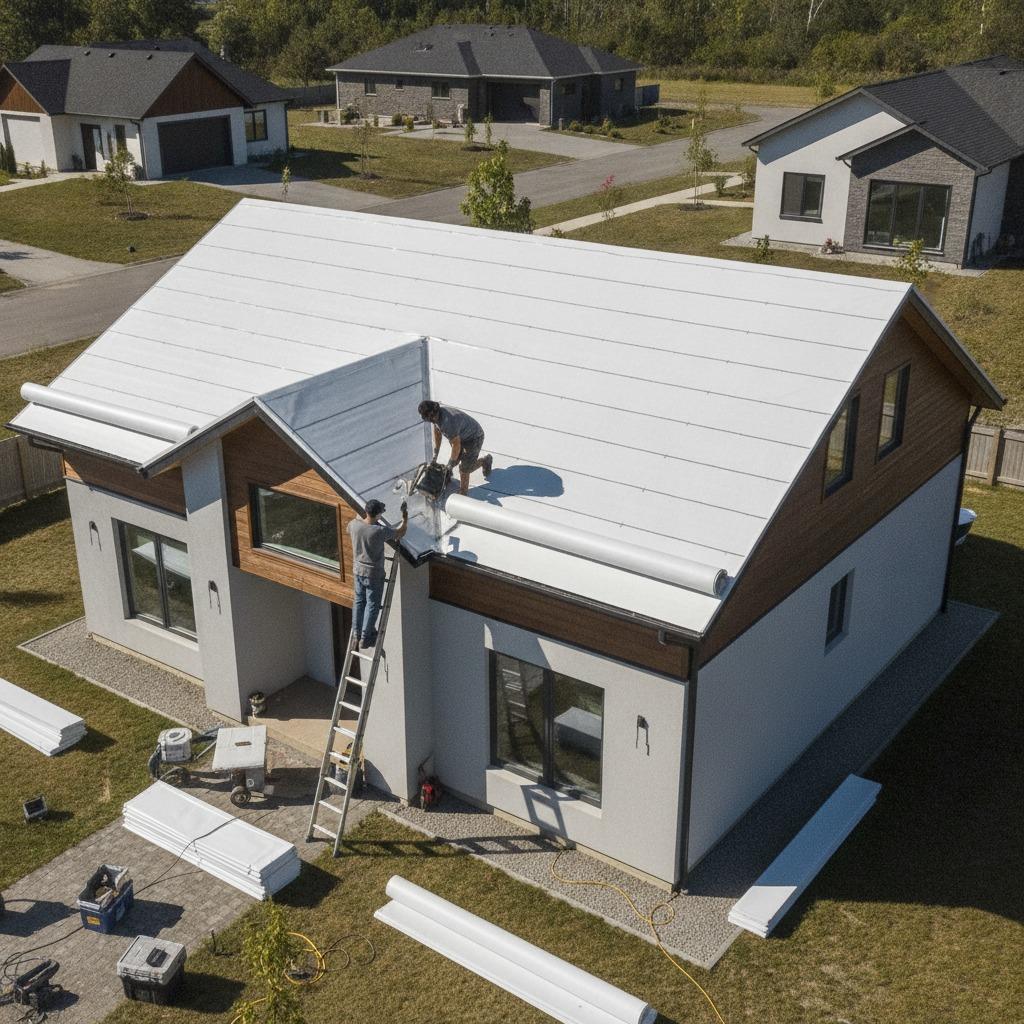
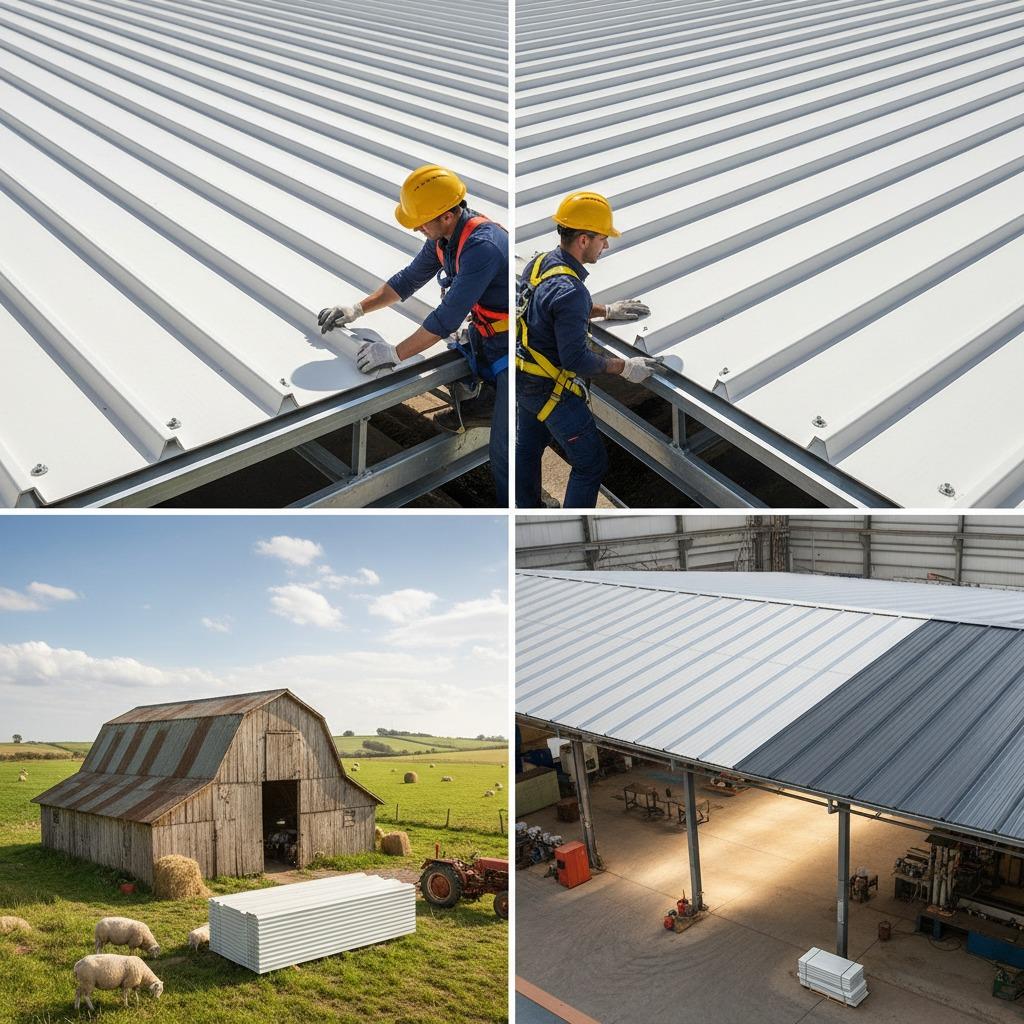
When people start comparing roof materials, the conversation often lands on the pvc roof sheet for one simple reason: it solves more than one problem at once. It can reduce weight on the structure, resist moisture better than many traditional options, and make a roof easier to install in places where speed matters. That is why it shows up so often on sheds, walkways, light industrial buildings, farm structures, and carports. Still, the choice is not as simple as picking the cheapest panel in the catalog.
For buyers, the real question is less “What is a PVC roof sheet?” and more “Where does it make sense, and where will it disappoint?” That decision affects not only purchase cost, but also installation time, maintenance, appearance, and how the roof behaves under sun, rain, and daily temperature swings.
Why this material keeps showing up on practical buildings
A PVC roofing sheet is usually chosen for functional reasons first. It is light enough to handle without special equipment in many cases, and that matters on a jobsite where labor is tight and the structure itself may not be designed for heavy cladding. Compared with some brittle or heavy roofing options, roofing sheet PVC can be easier to cut, carry, and fasten.
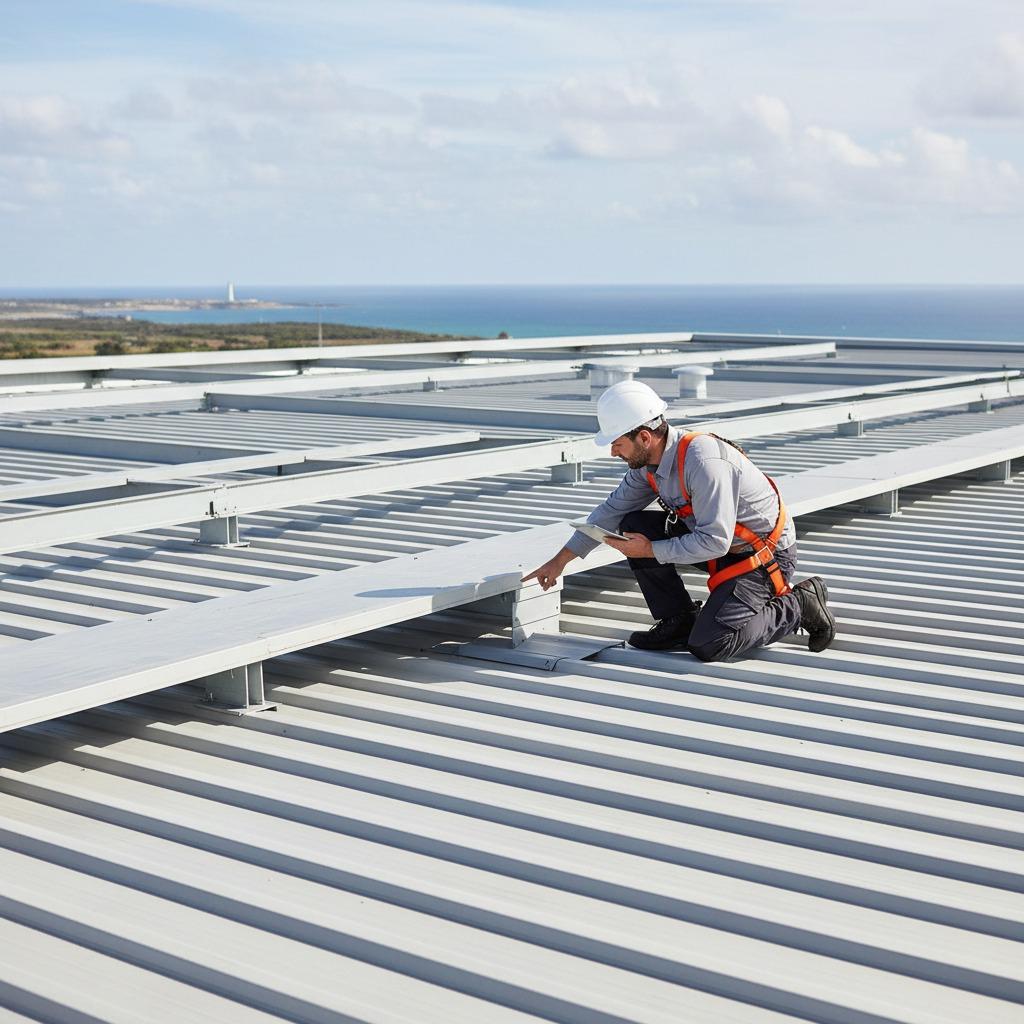
It also has a straightforward value proposition in damp or corrosive environments. On coastal sites, in chemical-adjacent buildings, or around agricultural operations, metal can need more protection than buyers expect. A plastic-based roof sheet does not corrode in the same way, though that does not mean it is maintenance-free. Dirt, fastener wear, and UV exposure still need attention.
Where the product type matters more than the label
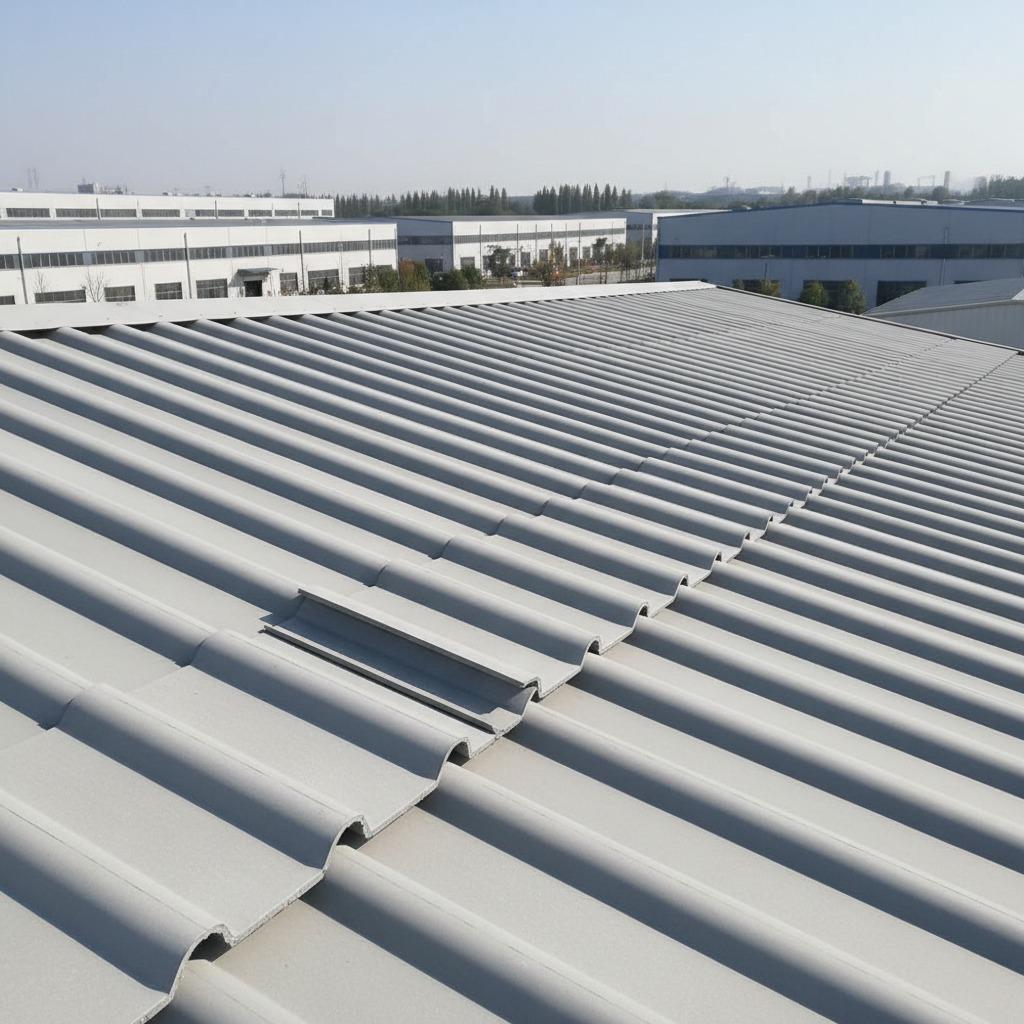
Not all plastic roof panels behave the same. A plain PVC corrugated roofing sheet can be a practical choice when the goal is to shed water efficiently and use a profile that installers already know. Corrugation adds stiffness and helps the panel span between supports. That is one reason the PVC corrugated roofing sheet remains common on utility buildings and covering applications where the roof is doing a job, not making an architectural statement.
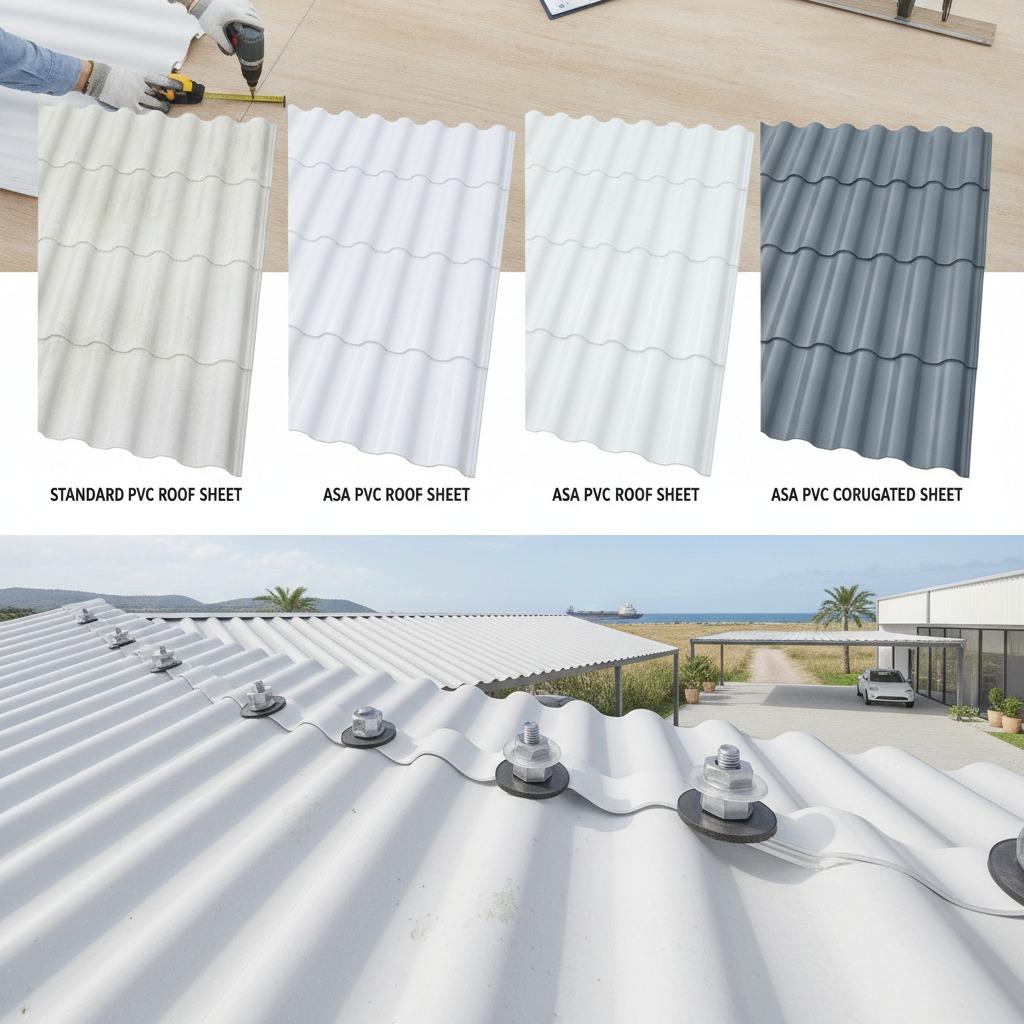
Then there is the ASA PVC roof sheet, which is usually discussed when weathering and appearance matter more. ASA is commonly used as a surface layer for better outdoor durability and color retention. In everyday buyer terms, that means the sheet may be better suited to harsher sunlight or projects where a cleaner finish is expected for longer. An ASA PVC roofing sheet is often considered when the budget allows a little more room for long-term performance rather than just the lowest upfront cost.
The ASA PVC corrugated sheet combines those two ideas: a familiar corrugated form with a surface designed for outdoor exposure. It is a sensible option for buyers who want the practicality of corrugation without treating weathering as an afterthought.
What engineers and sourcing teams should compare
If you are evaluating a PVC roof sheet for a project, the printed product description is only the starting point. The more useful questions are the ones that affect installation and service life.
Profile and span
Corrugated and other ribbed profiles help the sheet carry load more effectively, but the correct profile has to match the structure below. If purlin spacing is off, or if the panel is being asked to span too far, the roof will tell on itself sooner than anyone wants.
Thickness and rigidity
Thicker does not automatically mean better, but very thin panels can feel flimsy during handling and installation. The right choice depends on roof size, support spacing, and local weather exposure.
Color and light transmission
Some projects want daylight to pass through; others need full cover. On a warehouse edge, a translucent panel may save lighting costs. On a storage roof, that same feature may be a nuisance. It sounds obvious, but it is one of the most common planning mistakes.
Fasteners and sealing details
Many roof leaks begin at the fixing point, not in the field of the sheet. Buyers should ask what fastener type is recommended, whether washers are included or specified, and how expansion is handled. Plastic panels move with temperature. If the installer treats them like rigid metal, problems usually follow.
Common mistakes buyers still make
One recurring error is assuming every PVC roofing sheet is suitable for every climate. Strong sunlight, wind uplift, snow load, and chemical exposure can all change the answer. Another is confusing low price with total economy. A cheaper sheet that needs earlier replacement or more careful handling can become expensive quickly.
Another practical warning: do not ignore compatibility with the existing structure. If the frame is uneven, corroded, or poorly spaced, even a decent sheet will look and perform badly. The roof system matters, not just the panel.
A short buyer checklist before you place the order
Ask the supplier for the exact profile, surface layer description, and recommended support spacing. Confirm whether the panel is intended for full-weather exposure or light-duty cover work. If the project is in strong sun, ask directly about ASA PVC roof sheet options rather than assuming any plastic panel will hold color equally well.
Also ask about accessory pieces, overlap guidance, and installation direction. A roof is rarely improved by improvisation on site, even if the crew has “done it this way before.”
FAQ from project teams
Is a PVC roof sheet good for outdoor use?
Yes, provided the panel is specified for outdoor exposure and the structure, fastening, and climate conditions are all considered together.
Is ASA better than standard PVC?
Often, yes, when the roof will see stronger sunlight or when long-term appearance matters. That said, the right choice still depends on budget and environment.
Can it be used on an existing roof?
Sometimes. But the old roof, support condition, load capacity, and local code requirements need to be checked first. That step is easy to skip and expensive to fix later.
What a good sourcing decision looks like
The best purchase is usually not the most technical-sounding one. It is the sheet that matches the building’s real use, the installer’s method, and the climate outside. For a simple utility roof, a PVC corrugated roofing sheet may be perfectly adequate. For harsher exposure or a longer appearance window, an ASA PVC roofing sheet or ASA PVC corrugated sheet may be the more sensible route.
If you are comparing suppliers, start with the roof conditions first and the product brochure second. That approach saves more mistakes than any glossy catalog can promise. And if the project is moving quickly, ask for samples or profile drawings before committing the whole order.