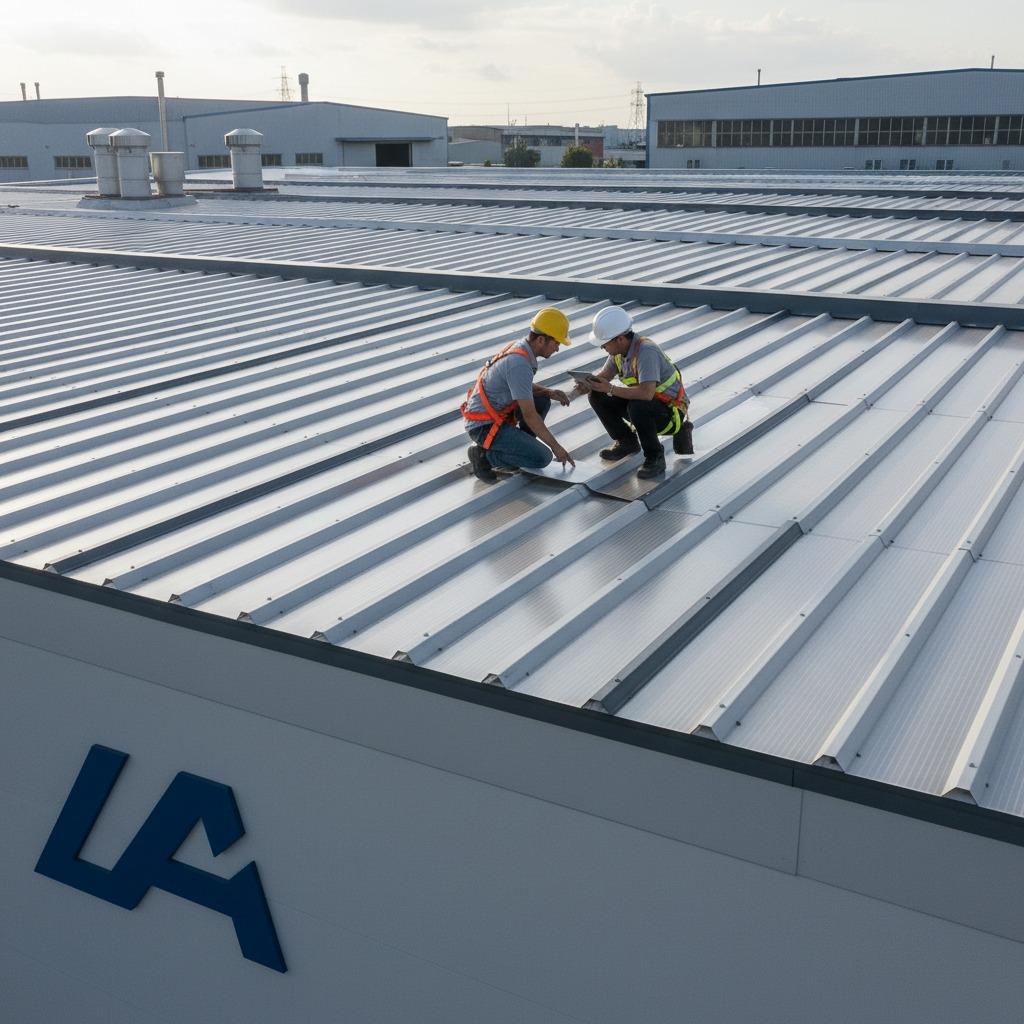
Why an UPVC Roof Still Deserves a Close Look
If you are comparing roofing options for a factory, warehouse, workshop, or utility building, an UPVC roof is worth a serious look. The material does not get the same attention as metal deck or sandwich panels, but it solves a practical problem that matters to plant managers and sourcing teams: how to cover a structure without inviting corrosion, excessive heat gain, or constant maintenance headaches. That is especially relevant in the Philippines industry, where humidity, salt air in coastal areas, and heavy rain can expose weak roofing choices very quickly.
The real decision is not simply whether UPVC roofing is cheaper or lighter. It is whether the roof system fits the building’s duty cycle, environment, and service expectations. That is where many projects go wrong. Buyers focus on initial price, then pay later in leaks, fastener issues, and patchwork repairs.
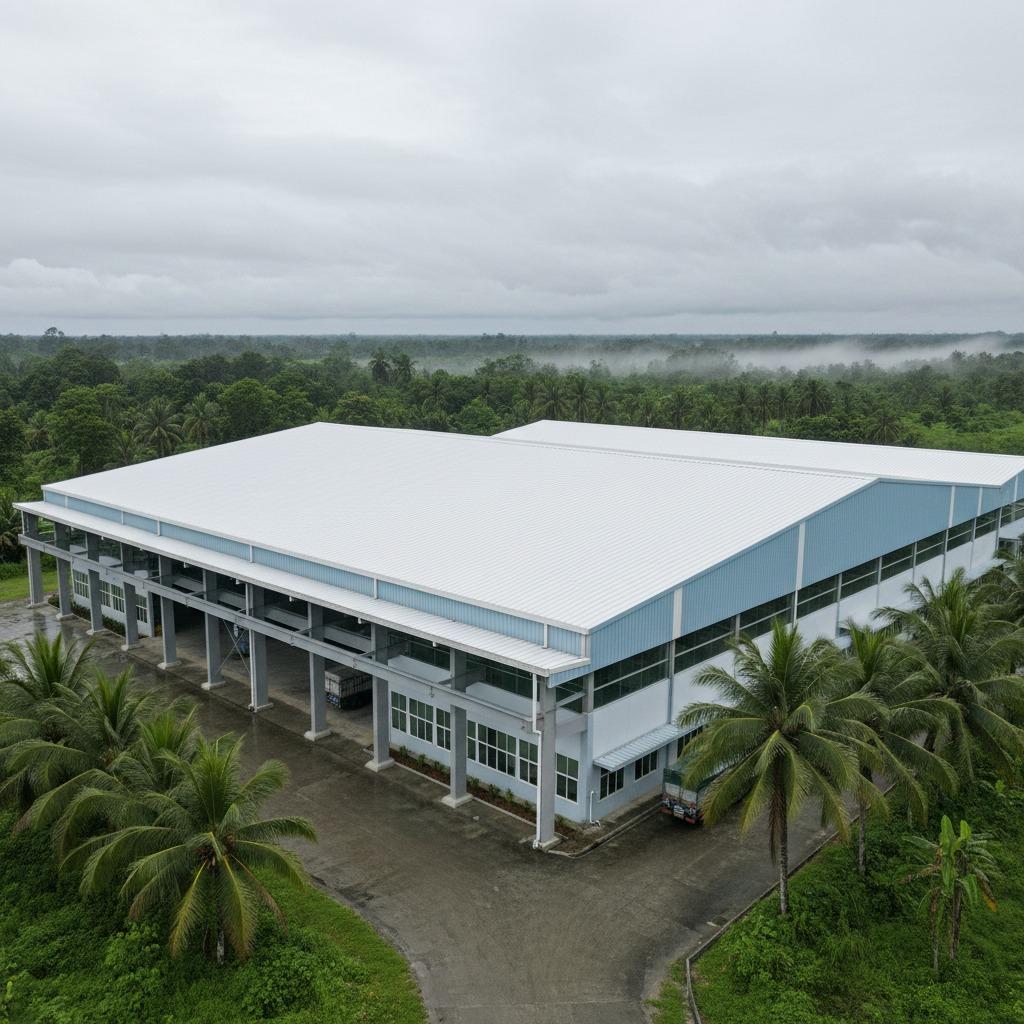
What UPVC Roof Sheets Are Best At
UPVC roof sheets are valued for their corrosion resistance, low weight, and straightforward installation. Compared with many metal roofing options, they are less prone to rust, which makes them attractive for humid, chemical-prone, or coastal sites. In day-to-day use, that often translates into easier upkeep and fewer surface failures caused by weather exposure.
Another practical advantage is thermal behavior. Depending on the profile and thickness, UPVC roof panels can help reduce heat transfer into the building. That does not make them a substitute for full insulation in every application, but it can help in sheds, covered walkways, livestock structures, and light industrial spaces where temperature control is a concern.
Where UPVC Roofing Fits, and Where It Does Not
Good fits
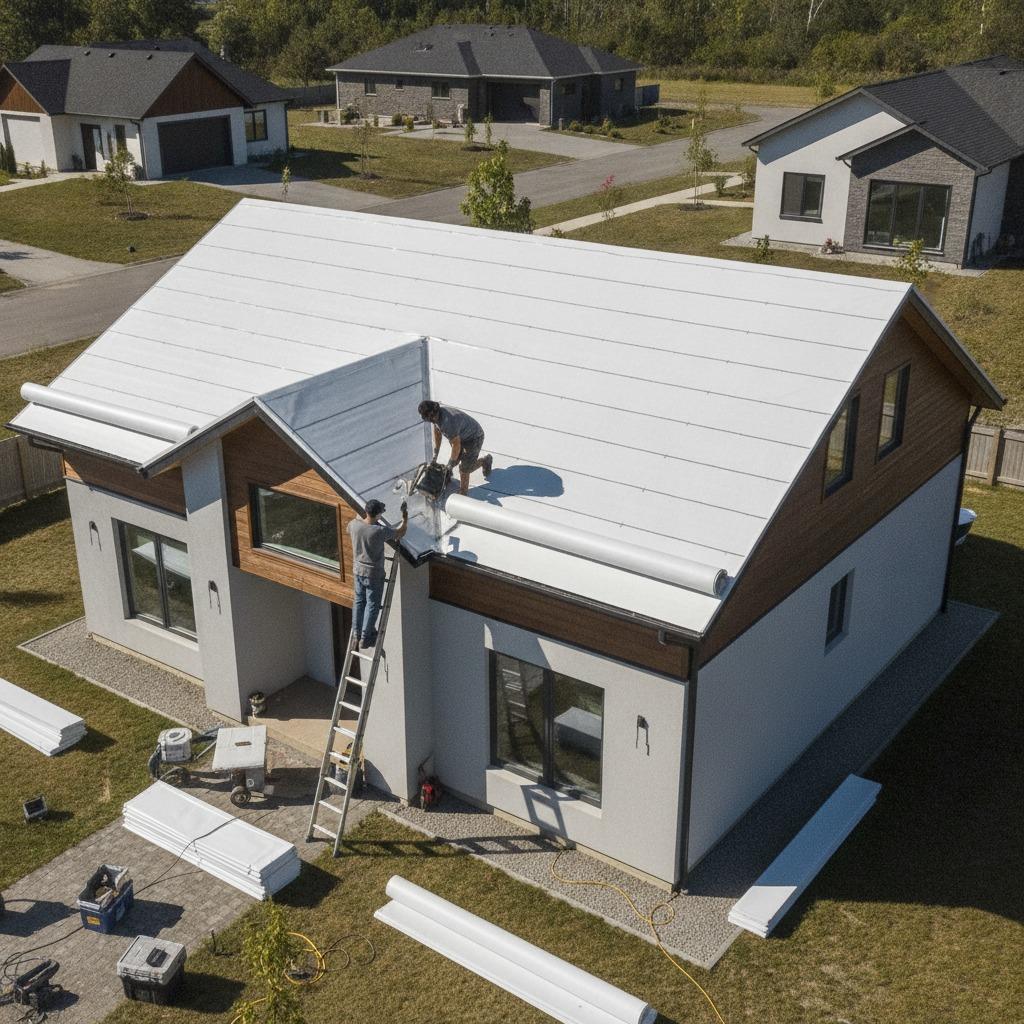
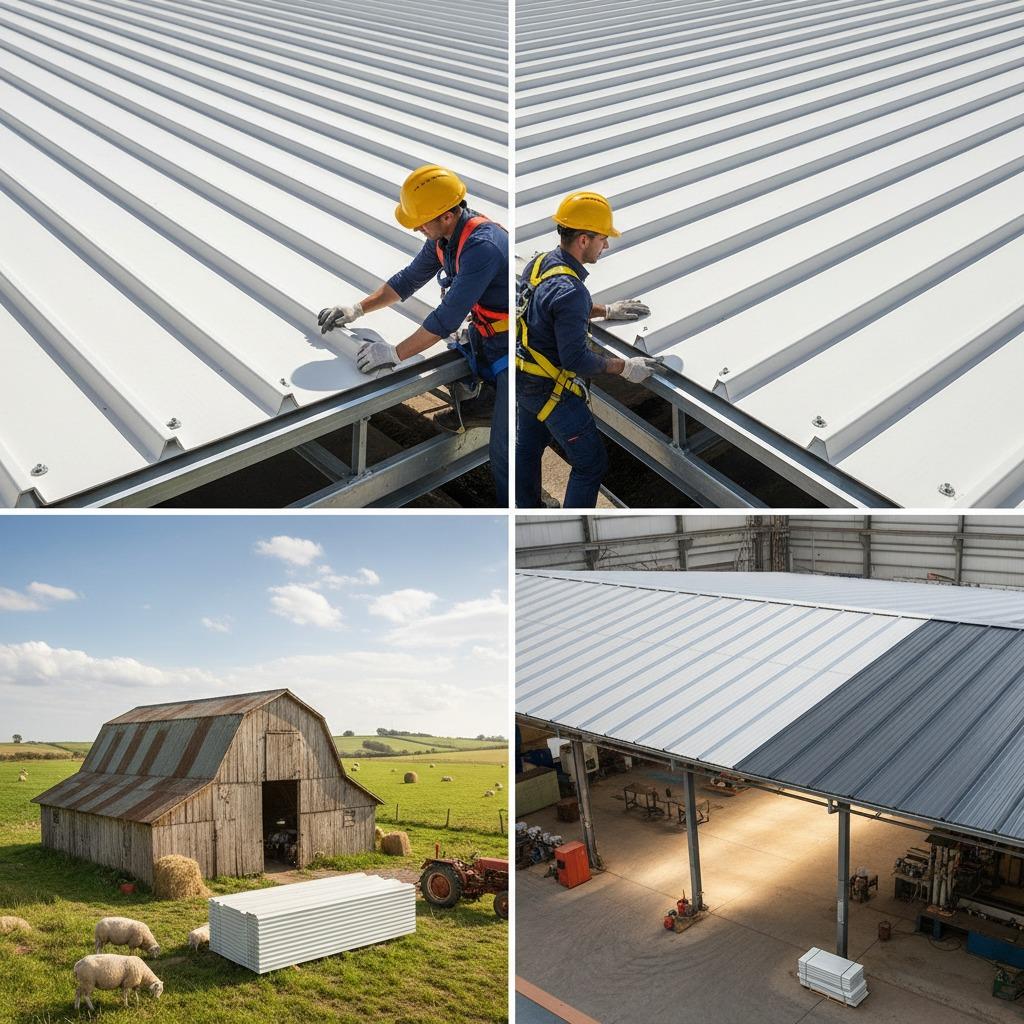
UPVC roofing is commonly considered for warehouses, farm buildings, temporary structures, canopies, and facilities that need a clean, low-maintenance envelope rather than heavy structural loading. For projects that need fast installation and reduced corrosion risk, the material makes a strong case.
Less suitable cases
It may be the wrong choice for roofs exposed to severe mechanical abuse, high point loads, or conditions that demand very high structural rigidity. A buyer should also check fire performance requirements, local code expectations, and compatibility with the rest of the roof assembly. Those details vary, and they matter more than marketing claims.
Quick Buyer Checks Before You Specify
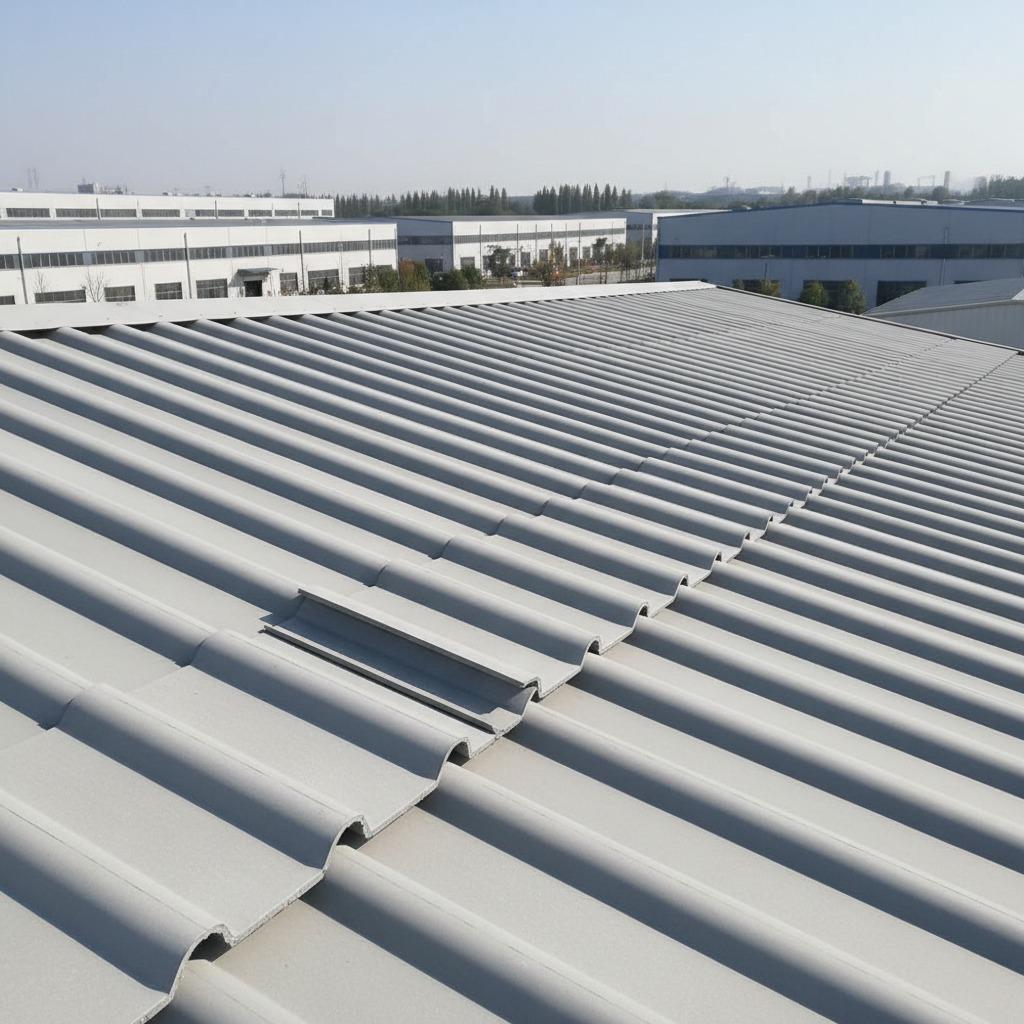
When comparing UPVC roof sheets or UPVC roof panels, ask for the profile geometry, thickness, UV exposure guidance, fastening method, and recommended slope. These are not minor details. They affect water shedding, noise, expansion behavior, and long-term service life.
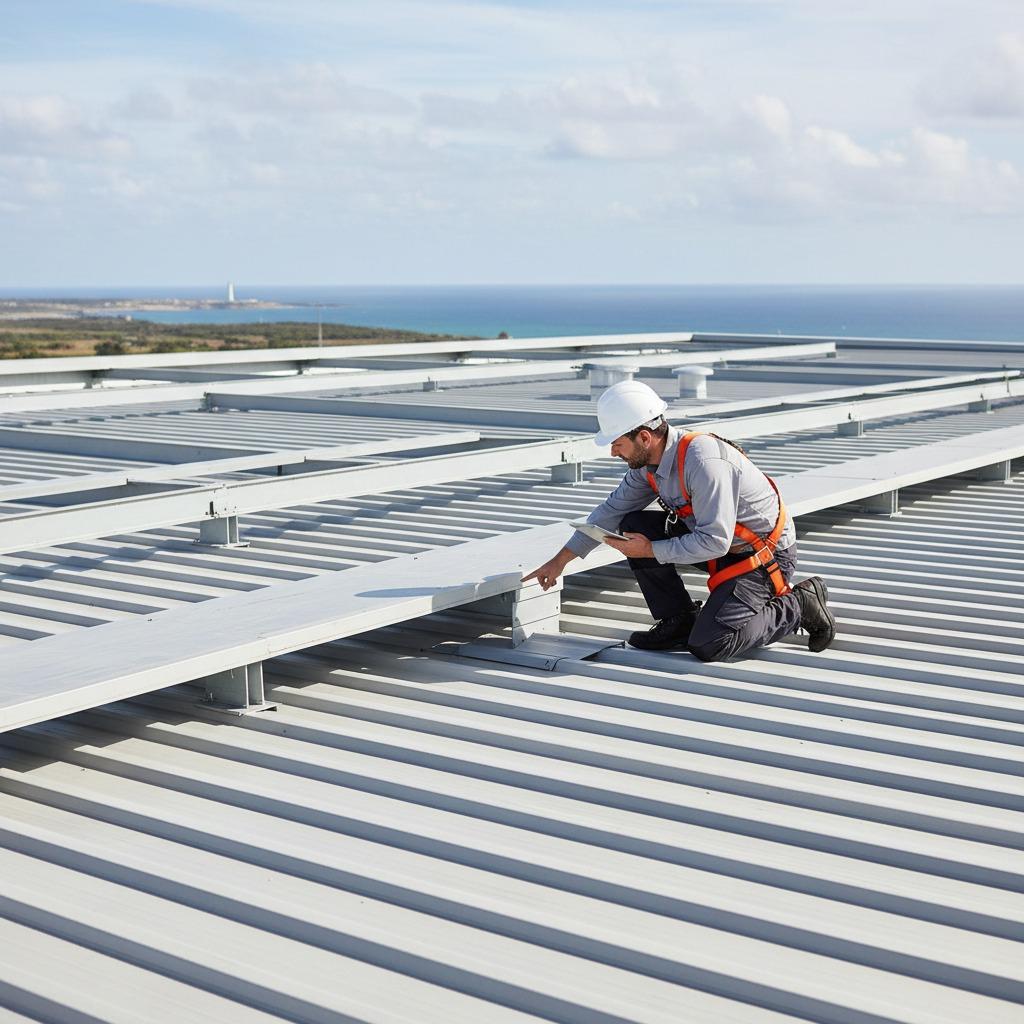
Also look at the building’s environment. Coastal air, chemical vapor, and strong sun all push the roof harder than a sheltered inland site. If the project is in the Philippines industry, seasonality and rainfall intensity should be part of the selection discussion from the start, not after procurement.
Common Mistakes Buyers Make
The most common mistake is treating UPVC roofing as a one-size-fits-all product. It is not. Another is assuming that a lower-cost sheet automatically lowers total cost. If fasteners, trims, support spacing, or installation method are wrong, savings disappear quickly.
Buyers also sometimes overlook ventilation. A roofing material that resists heat is still only one part of the building envelope. On some projects, poor airflow causes more trouble than the roof sheet itself.
A Practical Procurement Mindset
If you are sourcing an UPVC roof for an industrial or commercial project, compare it on system performance, not just unit price. Clarify the application, confirm the load and weather conditions, and ask how the roof will be installed and maintained. That gives engineers and purchasing teams a better basis for decision-making than a simple catalog comparison.
The best roof is the one that still looks sensible after the first rainy season. That is the test that really counts.
Next Step
Before placing an order, collect the roof profile data, installation requirements, and project environment details in one file. Then compare suppliers on those points, not on headline claims. A careful specification stage is usually cheaper than a rushed replacement later.