Why a uPVC Roof Keeps Coming Up in Real Buyer Conversations
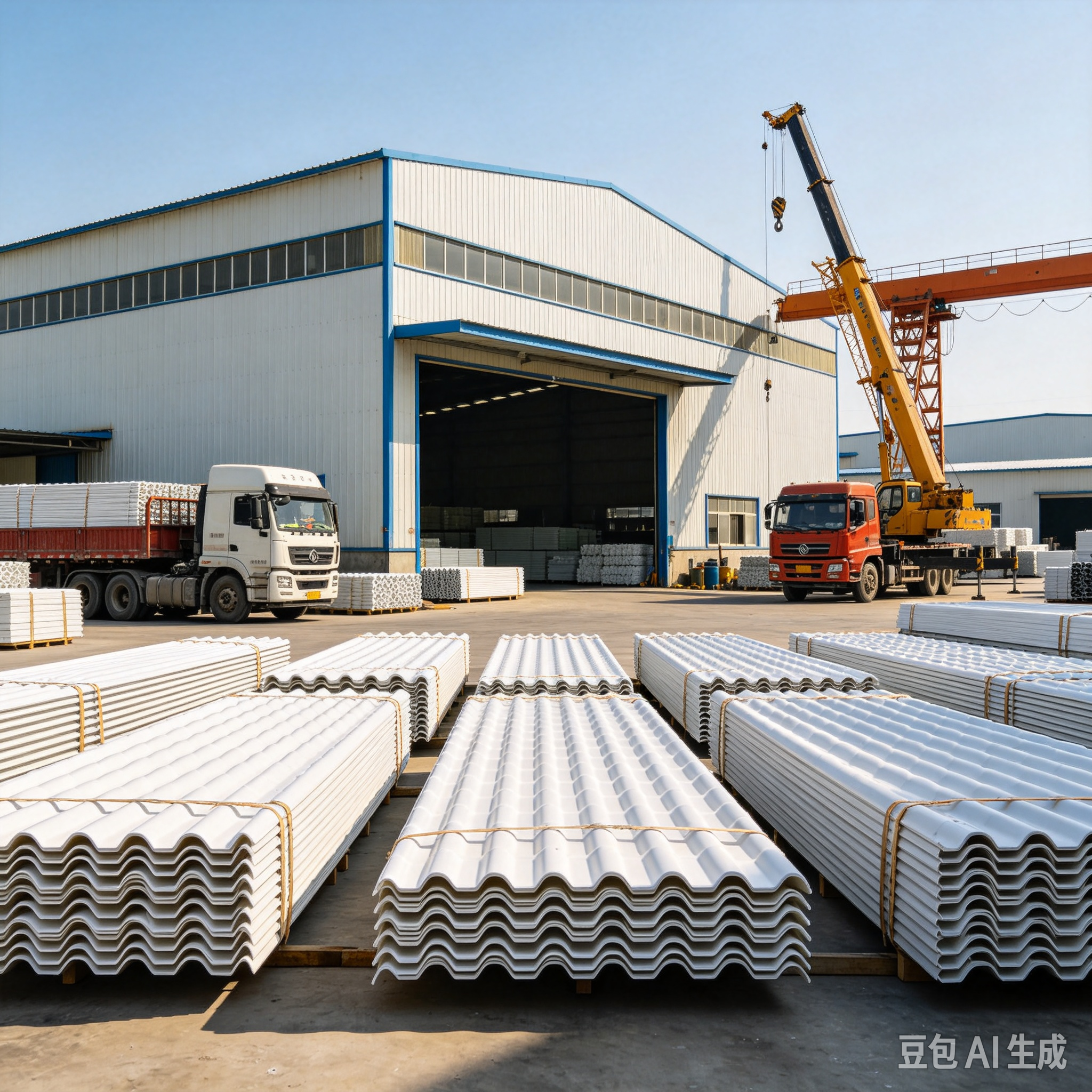
Ask a facilities manager what they want from a roof and the answer is usually not glamorous: keep water out, resist weather, avoid constant repairs, and do it without blowing up the budget. That is why a uPVC roof keeps showing up in warehouse fit-outs, agricultural buildings, small workshops, canopies, and other lightweight structures. It is not the answer to every roofing problem, but for the right building and the right exposure, it can be a sensible, practical choice.
The decision is rarely about the material alone. Buyers are really weighing noise, heat, lifespan, appearance, installation speed, and maintenance. A roof that looks inexpensive on a quote can become costly if it is hard to fit, too noisy in rain, or poorly matched to the support structure. That is where a closer look at uPVC roofing helps. It gives engineers and sourcing teams a clearer basis for comparing it with metal sheet, composite panels, or traditional tile profiles.
What uPVC Is Doing Well, and Where It Needs Care
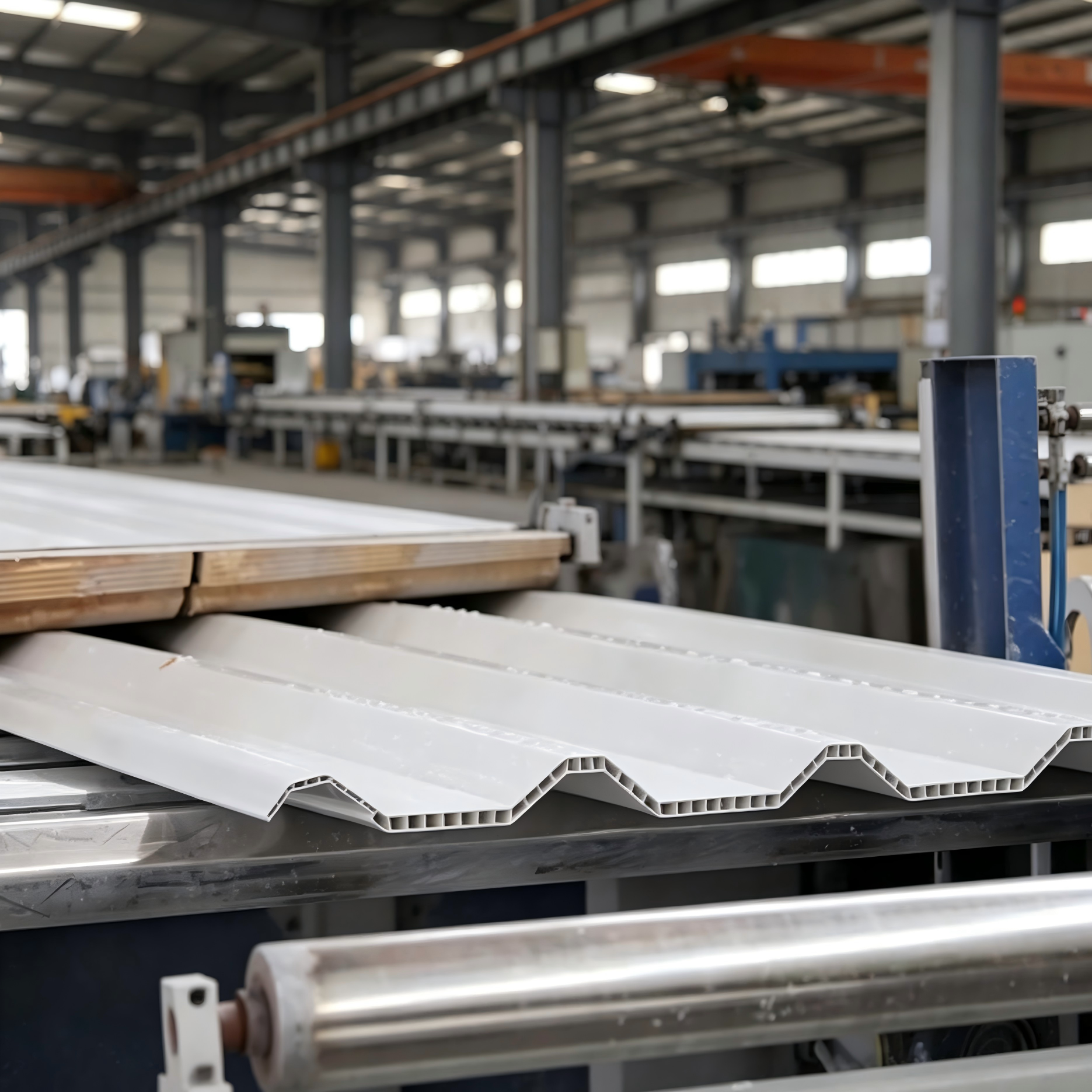
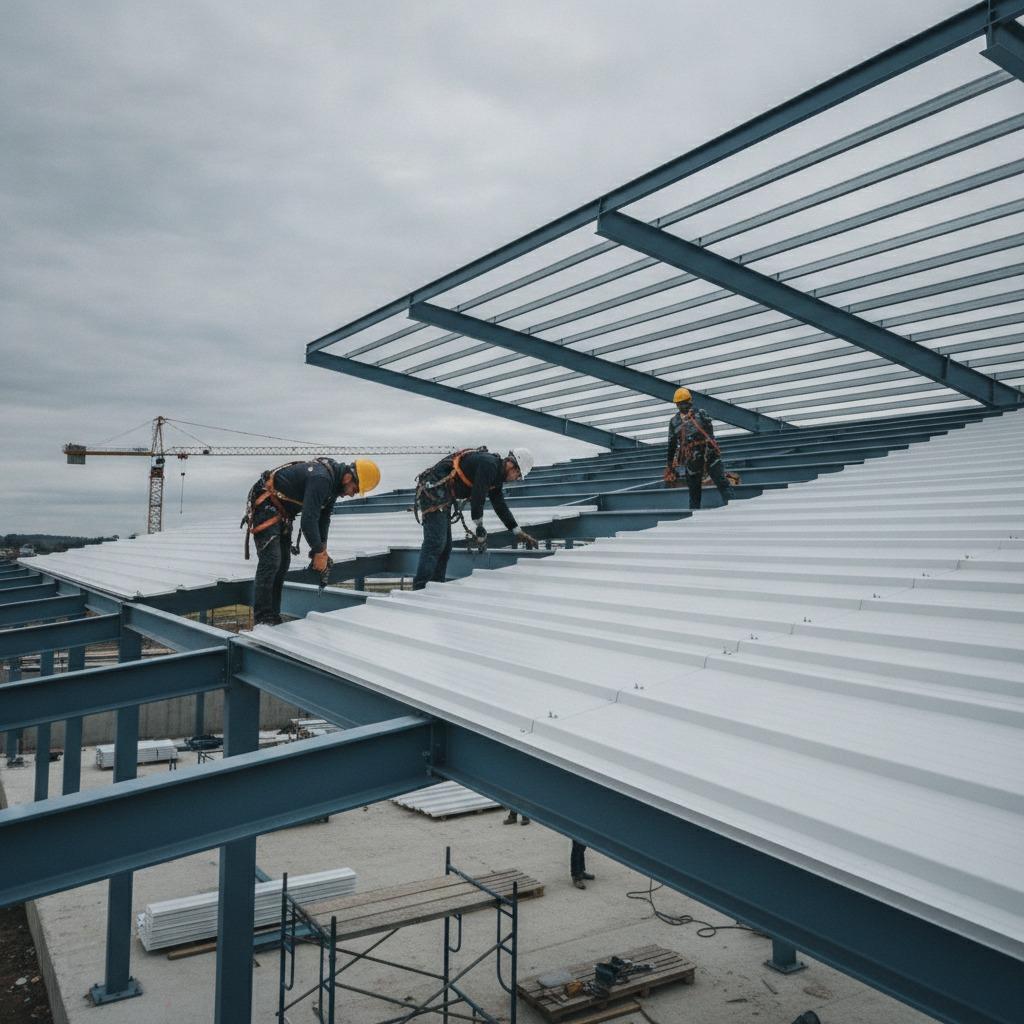
uPVC, or unplasticized polyvinyl chloride, is valued in roofing because it is lightweight, corrosion resistant, and relatively straightforward to fabricate into profile sheets or tile-style panels. In many low-rise applications, that matters more than people admit at the quotation stage. A lighter roof can reduce structural load and make handling easier on site, especially where access is awkward or labor time is tight.
At the same time, buyers should keep their expectations grounded. uPVC is not a magic material. It can be affected by heat movement, UV exposure, and installation quality. The roof system matters as much as the sheet itself: fixings, overlaps, underlay, support spacing, and ventilation all influence performance. A good product installed poorly will still leak or distort, and a modest product installed carefully can outperform a fancier one that was rushed.
Quick Comparison: What Buyers Usually Care About
Weight and handling
One reason uPVC roofing is popular is that it is easier to handle than many heavier alternatives. That can lower manual handling risk and make installation faster, especially on smaller projects.
Weather resistance
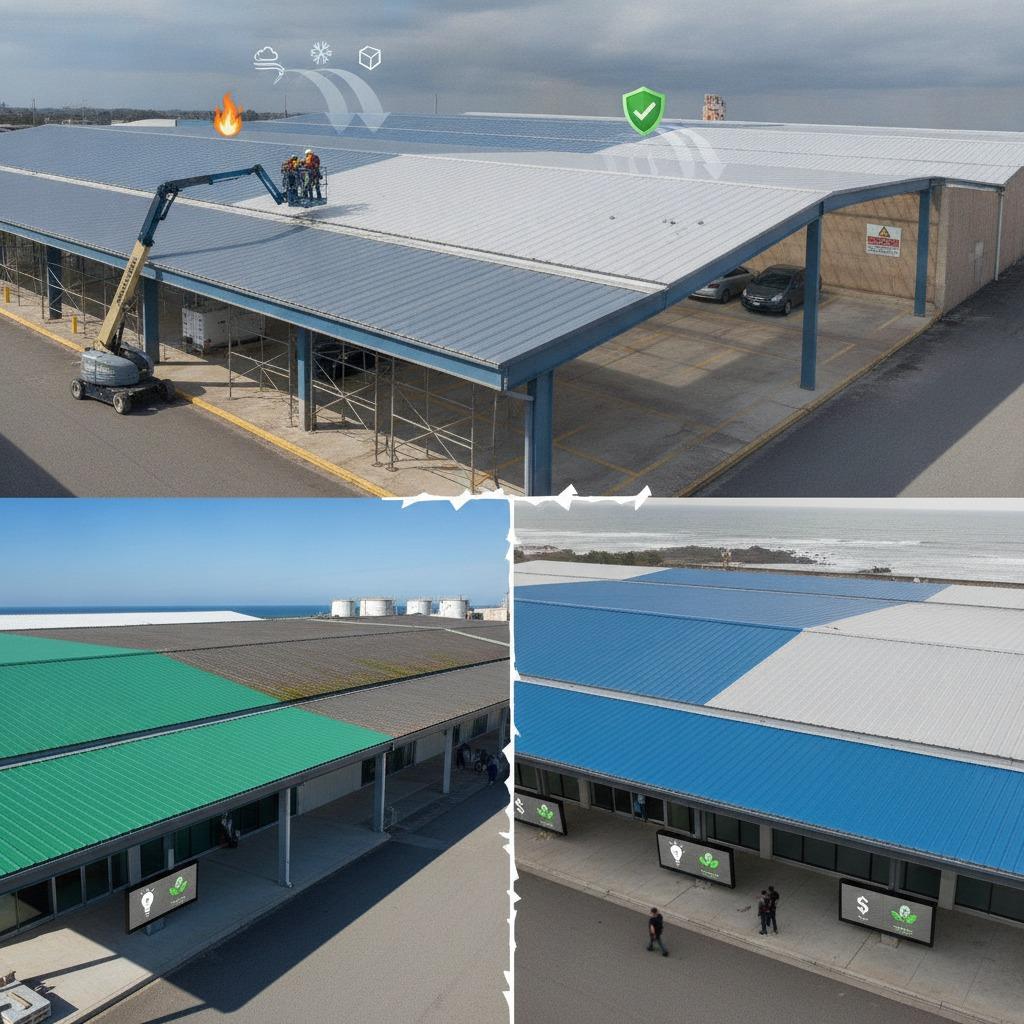
For exposed sites, the question is not only whether the roof sheds water, but whether it holds up over seasons of wind, rain, and sun. uPVC offers good resistance to moisture and many common forms of corrosion, which makes it attractive in damp or coastal-adjacent environments where certain metals need more protection.
Noise and thermal behavior
Rain noise can be a real complaint. Some buyers are surprised by how much acoustic character a roof system has. uPVC roof panels can be quieter than thin metal sheets in some setups, though the full assembly, insulation, and fixing method matter more than the material brochure suggests.
Appearance and consistency
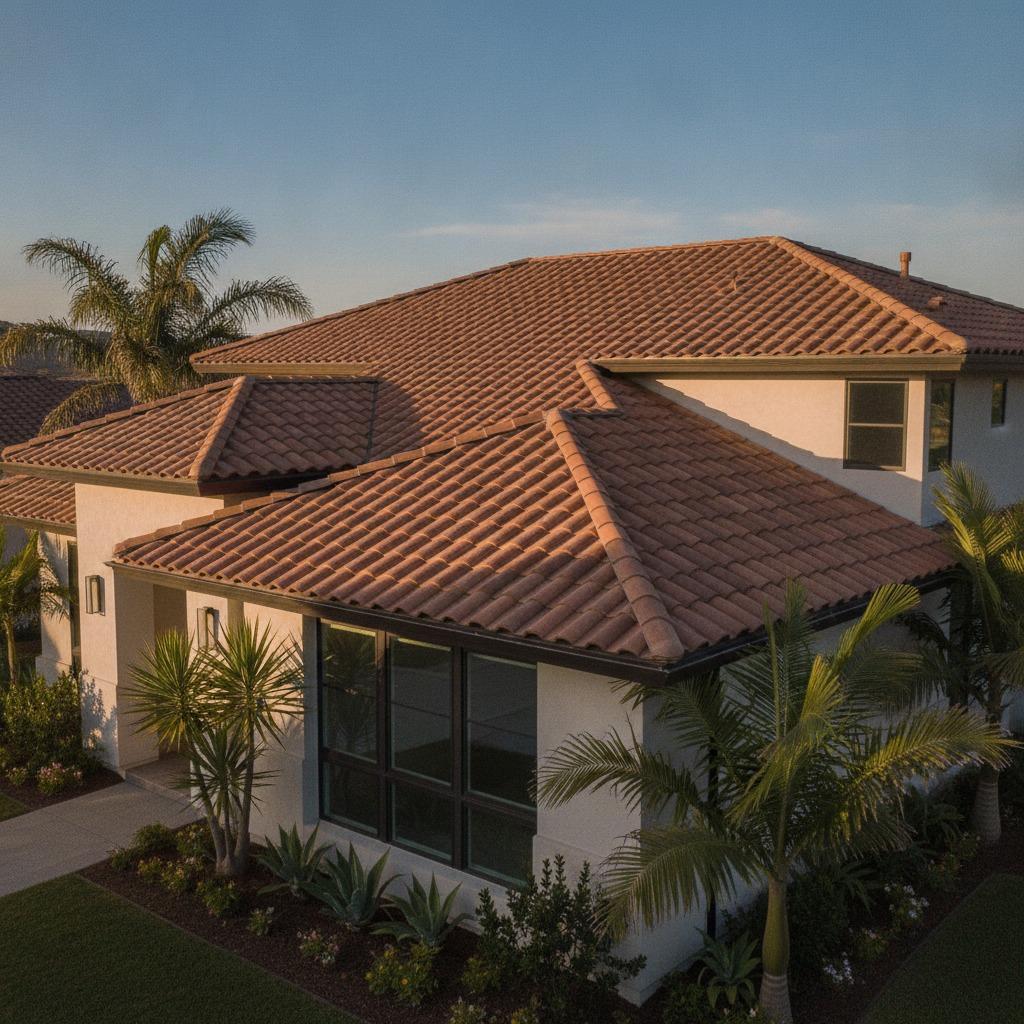
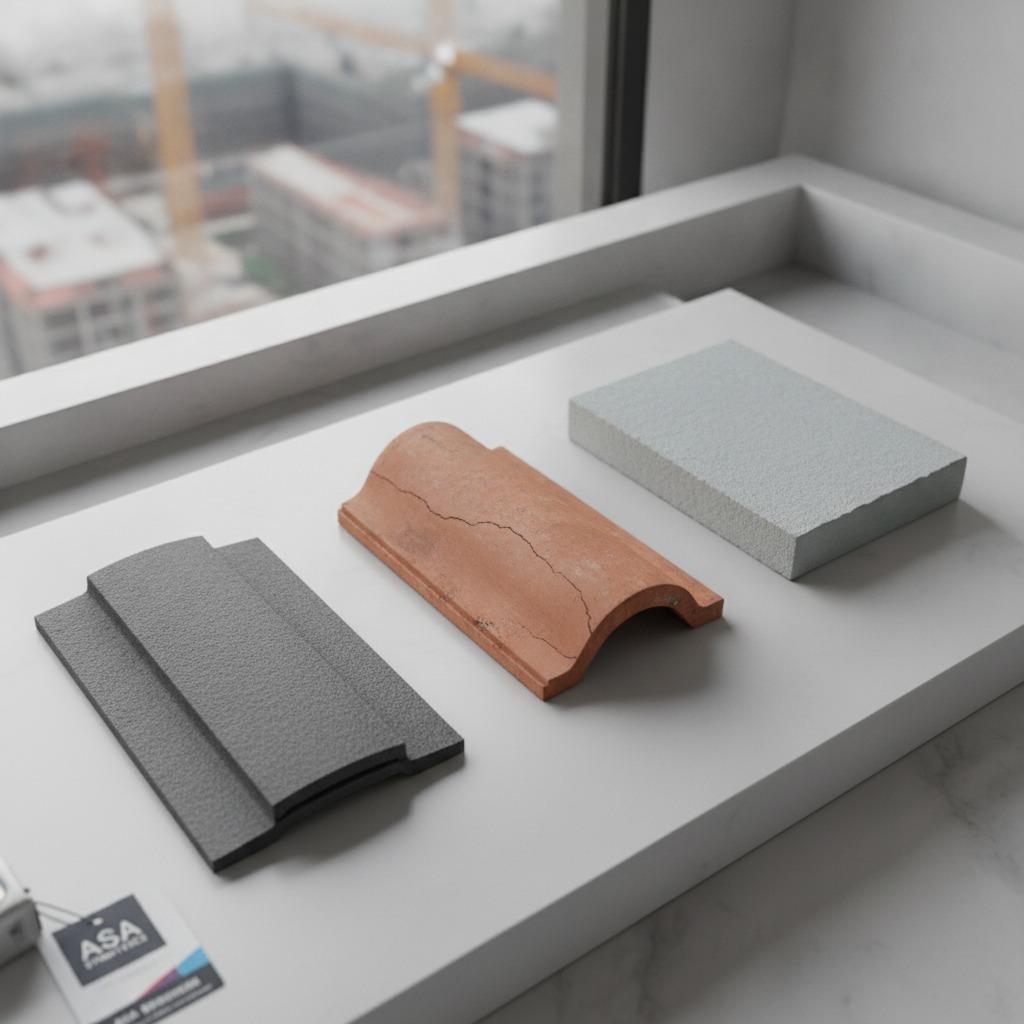
For buildings where a clean, uniform finish matters, UPVC roofing tiles and profiled sheets can provide a neat visual line. They are not trying to imitate clay perfectly, and that is probably for the best. The better products look honest: simple, tidy, and functional.
Where uPVC Roof Tiles Fit Best
In practice, upvc roof tiles tend to suit projects that need a balance of weather protection, low weight, and reasonable cost rather than architectural prestige. You see them considered for garden structures, patios, canopies, lean-tos, utility buildings, storage units, and agricultural roofs. The attraction is usually pragmatic. The building needs a dependable cover, not a heritage restoration.
That said, the phrase upvc roof tiles can be used loosely in the market, and buyers should check exactly what profile they are getting. Some products are designed to resemble traditional tiles; others are profiled sheets with a tile-like appearance. The performance difference may be more important than the visual one.
Selection Criteria That Save Trouble Later
If you are comparing uPVC roofing options, start with the building itself. Span, pitch, support structure, expected weather load, and internal use all influence the right choice. A light-duty canopy and a busy agricultural store do not need the same specification, even if the supplier’s catalog makes them look similar.
Look at thickness, profile depth, fastening method, and whether the system is meant to include matching ridges, flashings, or closure pieces. A roof often fails at the edges and joints before it fails in the middle. That is the unglamorous part, but it is where experienced buyers focus their attention.
Also ask about thermal movement. Plastic-based roofing products expand and contract, and installers need to leave room for that movement. It is a small detail that can prevent larger headaches. If a supplier cannot explain the fixing pattern clearly, that is a warning sign.
Common Mistakes Buyers Still Make
One mistake is choosing purely by price per sheet. Another is assuming all uPVC roofing products behave the same way. They do not. Profile shape, material quality, and accessory compatibility can change the outcome noticeably.
Another practical issue is underestimating ventilation and condensation control. A roof that keeps out rain but traps moisture underneath can create problems in storage buildings, workshops, and livestock-related spaces. The roof covering is only one part of the building envelope, and a decent installer will say so plainly.
Finally, buyers sometimes overlook fixings and support spacing. If the supplier does not offer guidance, the job may still go ahead, but the risk lands on the site team. That is a poor bargain.
What to Ask Before You Order
Before committing to uPVC roof products, ask for the profile dimensions, recommended support spacing, fixing guidance, and compatible accessories. If the roof will be exposed to stronger sunlight or harsher weather, ask how the product is intended to perform over time. Keep the questions practical. You are not buying a theory; you are buying a roof that has to stay put.
If the project is sensitive to appearance, request samples or installed photos from similar applications. If it is a utility building, focus instead on durability, maintenance, and installation simplicity. The right decision depends on the building’s job, not on a generic best practice list.
A Short Buyer’s Rule of Thumb
If you need a lightweight, corrosion-resistant roofing solution for a straightforward structure, a uPVC roof is worth considering. If the project involves long spans, high structural demands, or strict acoustic and thermal targets, you may need to look beyond it or specify the full system very carefully. The material is only part of the answer.
FAQ: Common Questions About uPVC Roofing
Is uPVC roofing suitable for all buildings?
No. It is better suited to lightweight and mid-duty applications than to every roof type. The support structure and building use matter a great deal.
Are UPVC roofing tiles the same as profiled sheets?
Not always. The terms are sometimes used loosely, but the profile, fixing method, and performance can differ. Check the product specification rather than relying on the name alone.
Does a uPVC roof need much maintenance?
Usually not much, but it is not maintenance-free. Regular checks of fixings, overlaps, and seal points are sensible, especially after severe weather.
Where the Conversation Should Go Next
If you are narrowing down roofing options for a project, compare the support structure, environment, and installation constraints before comparing prices alone. That is usually where the real answer appears. For a simple structure in a demanding outdoor setting, uPVC roofing can offer a useful mix of practicality and value. For a more complex building, it may still be part of the answer, but only if the system details are treated seriously from the start.