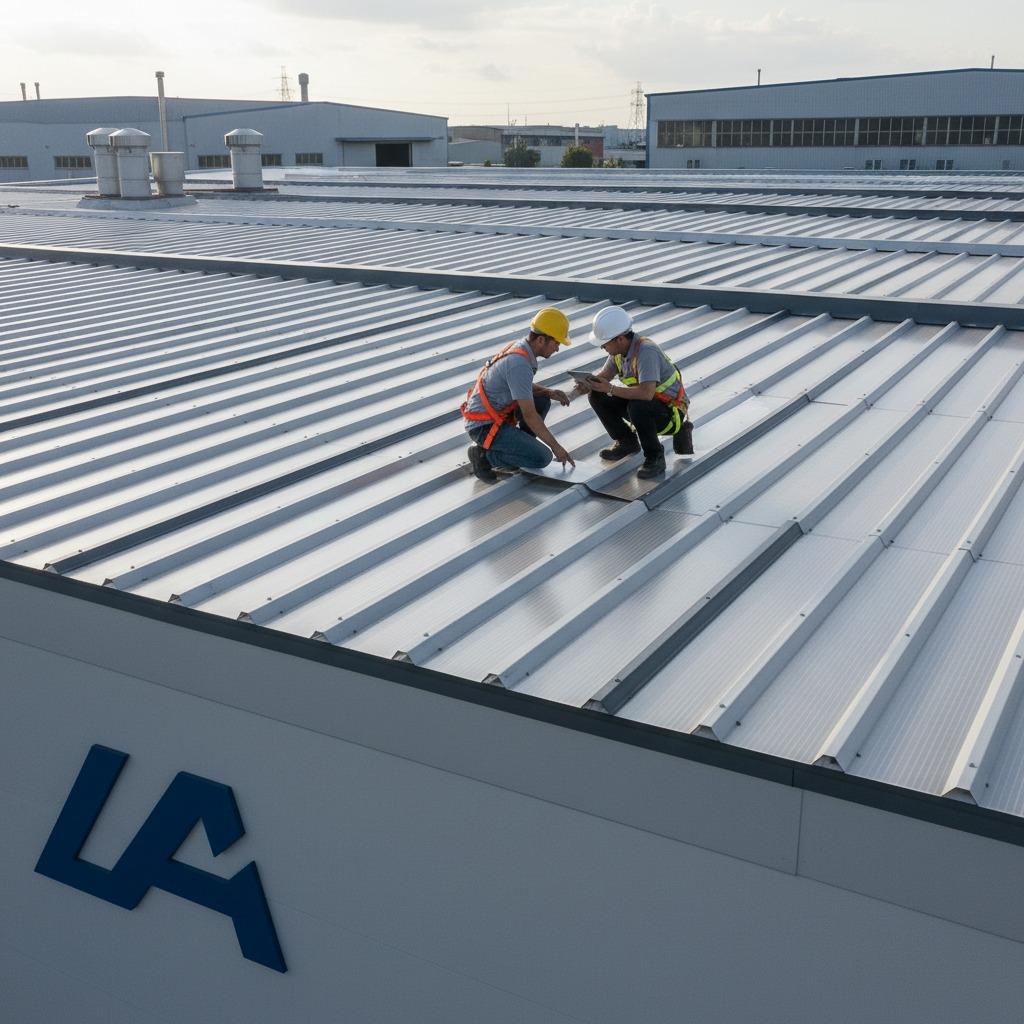
Why a uPVC roofing sheet is still a serious option for industrial and commercial roofs
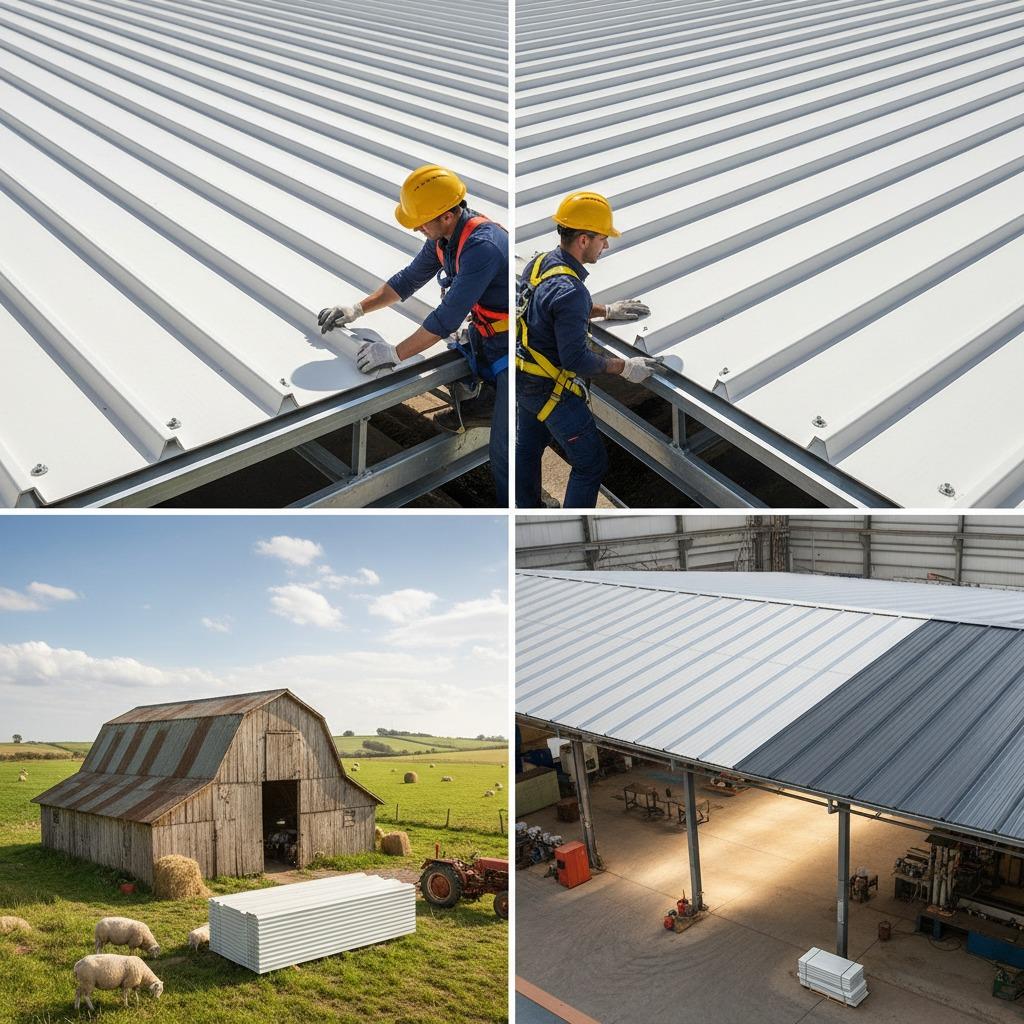
A uPVC roofing sheet is often chosen for one practical reason: it holds up where ordinary roofing materials start to look tired, especially in wet, chemical, or coastal environments. For plant rooms, warehouses, sheds, walkways, and lightweight structures, the appeal is not just the roof itself but the long-term headache it can help avoid. When buyers compare options, they are usually trying to answer a simple question: which roof will stay serviceable without becoming a maintenance burden?
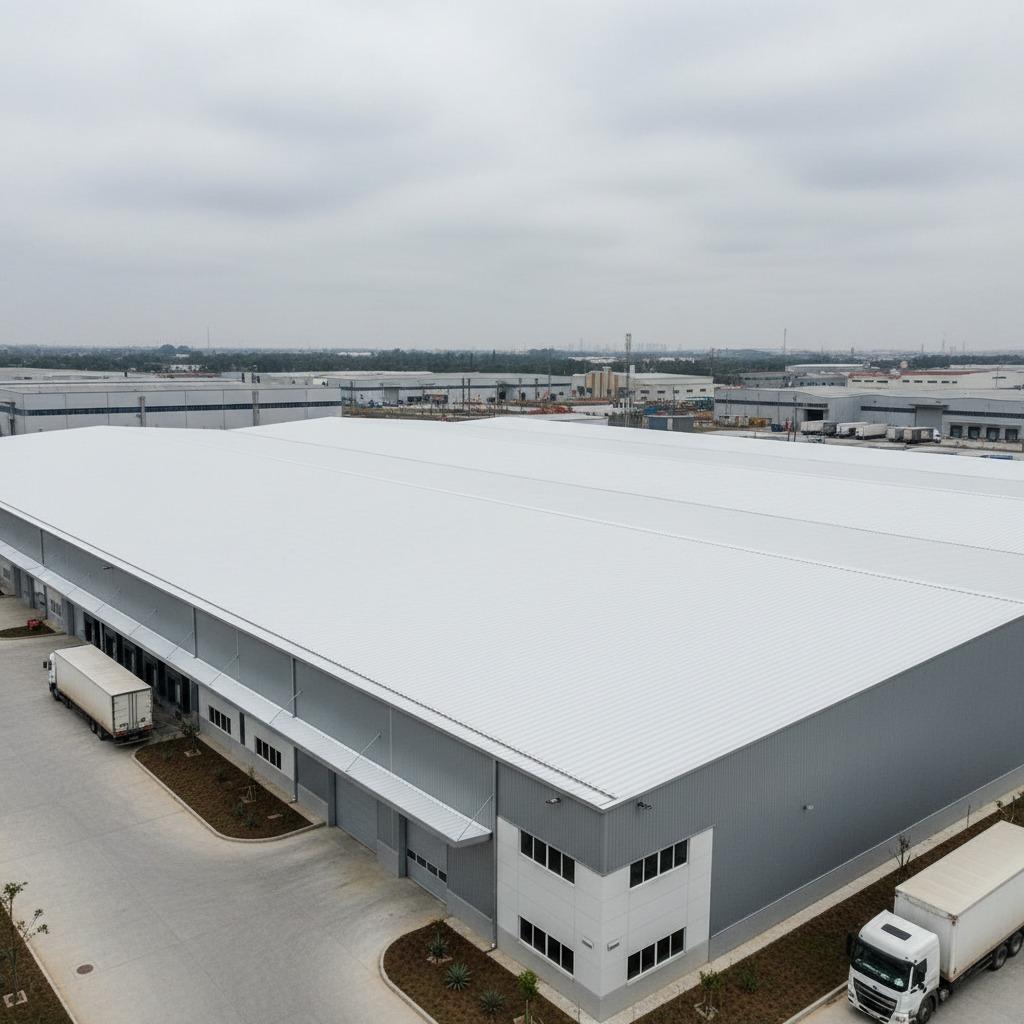
That is where a UPVC roof sheet earns attention. It is light, easy to handle, and typically positioned as an anti-corrosive roofing material for environments where metal may need extra protection. Still, “good resistance” is not the same as “fits every project,” and that distinction matters.
What buyers usually want from this material
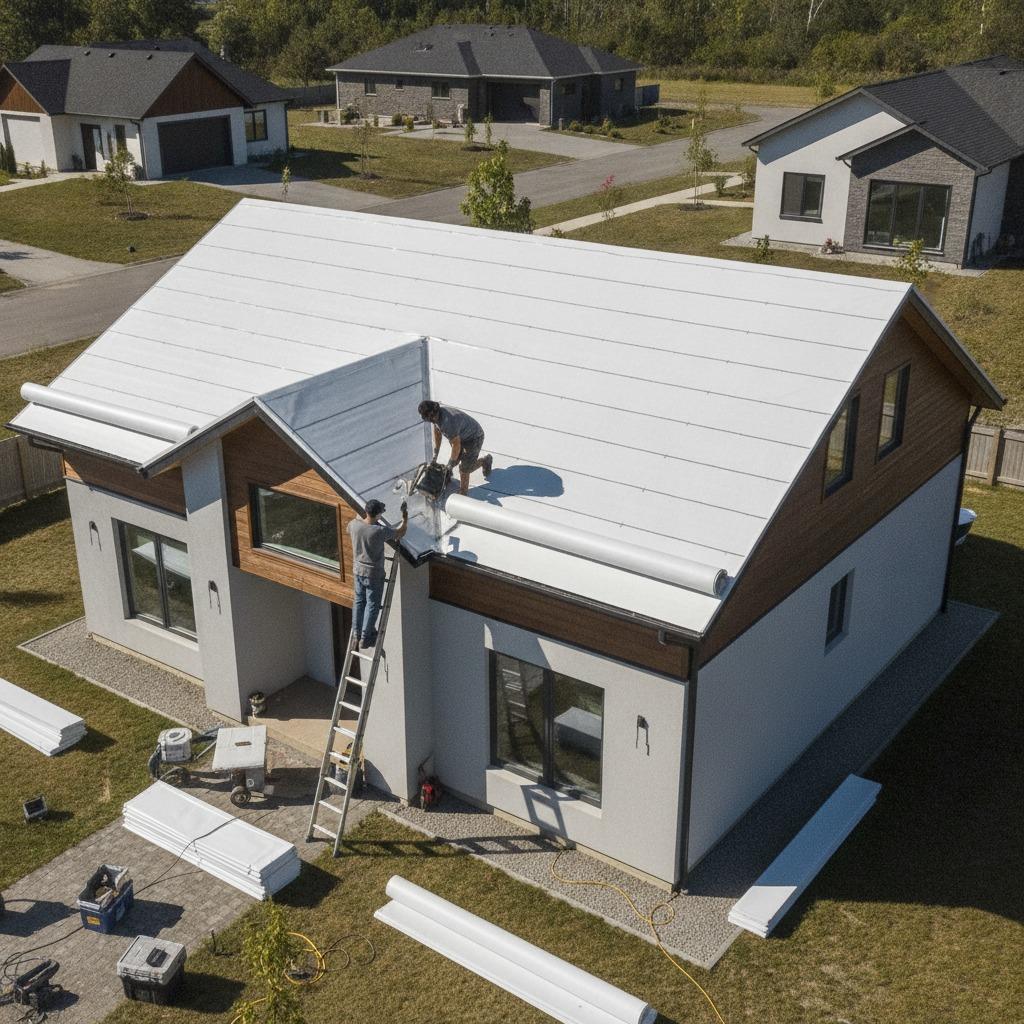
In procurement discussions, the brief is rarely about roofing alone. It is about reducing replacement cycles, controlling installed weight, and avoiding constant repainting or surface treatment. A uPVC roofing sheet can be a practical answer when the building envelope faces moisture, fumes, or repeated exposure to harsh weather. It is also attractive on projects where fast installation and lower structural load are useful.
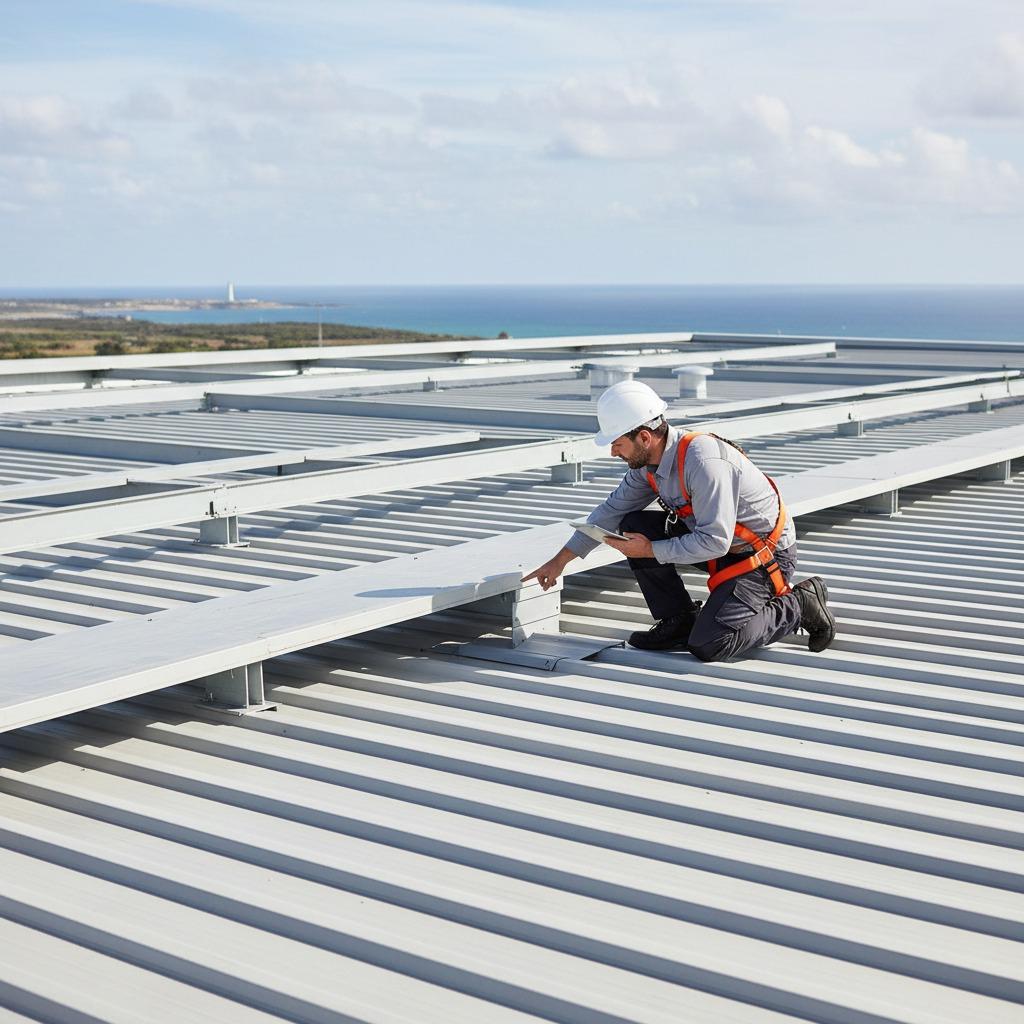
For engineers, the real value is predictability. A roof system that resists rust and does not demand much cosmetic upkeep can simplify planning. That said, buyers should still check the surrounding structure, fixing method, panel profile, and whether the roof will see strong heat, impact, or unusual load conditions. A lightweight sheet is not a substitute for a well-designed support system.
Key selection points that are easy to overlook
Environmental exposure
If the site is exposed to corrosive air, recurring rain, or industrial emissions, the anti-corrosive benefit becomes more relevant. In calmer indoor-adjacent settings, the requirement may be less about chemical resistance and more about clean installation and cost control.
Thermal and structural behavior
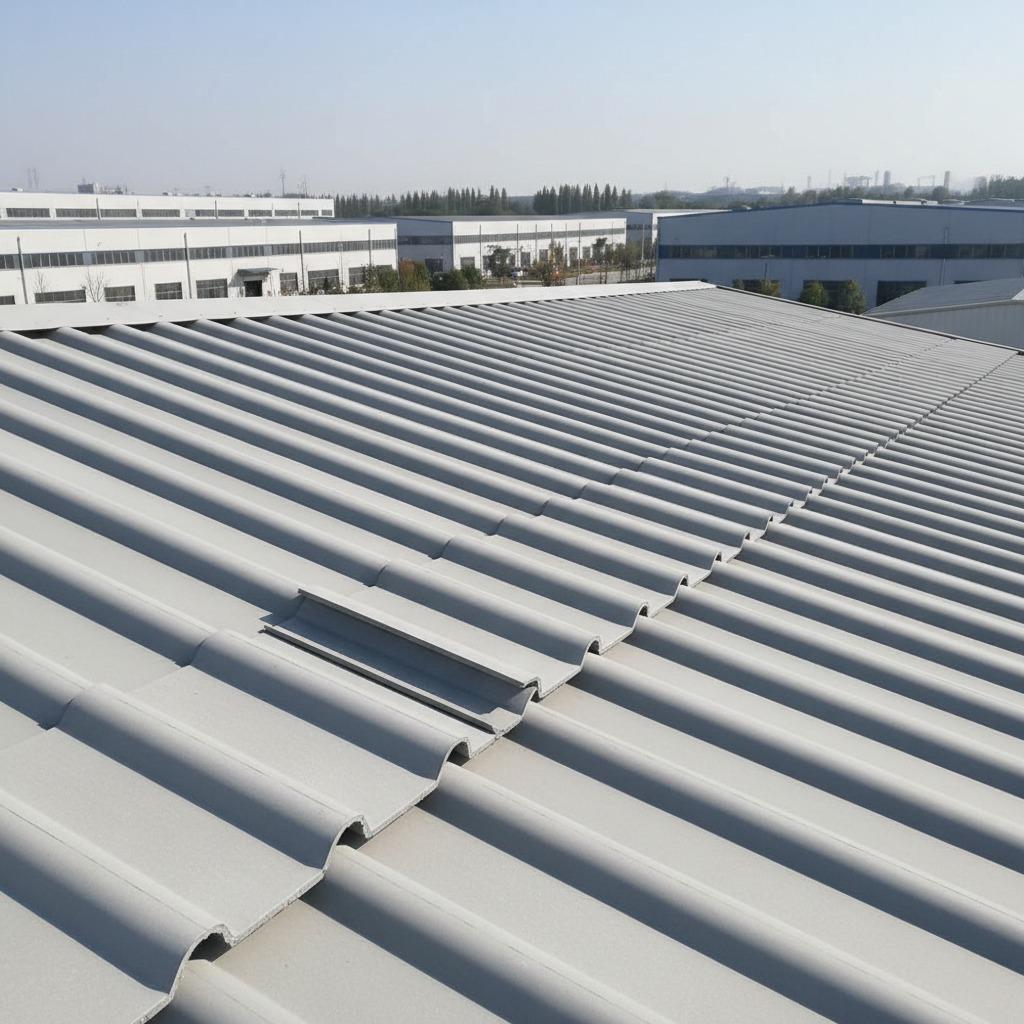
Roofing expands, contracts, and moves more than many buyers expect. Details such as fixing spacing, overlap, and support geometry can matter as much as sheet material. A roof that is cheap at purchase can become expensive if it is installed carelessly.
Appearance and maintenance
Some teams want a neat, uniform finish for visible buildings; others care more about function than presentation. A UPVC roof sheet can work in both cases, but the buyer should confirm what level of finish and cleaning effort is realistic over time.
Common buying mistakes
The most common mistake is treating all roof sheets as interchangeable. They are not. Another is assuming “anti-corrosive” means maintenance-free. Even a durable sheet needs compatible fasteners, sensible design, and periodic inspection. A third mistake is underestimating the importance of the site environment. Roofs near chemical processes, salt air, or high heat deserve more scrutiny than standard storage buildings.
Practical advice for sourcing teams
When comparing suppliers, ask for the sheet profile, recommended support spacing, fixing guidance, and installation limitations. If your project is close to a corrosive environment, request clarity on where the product is intended to perform well and where it is not. That conversation is often more useful than a glossy brochure.
If you are shortlisting a uPVC roofing sheet for an upcoming build, the next step is to match the roof environment, structural design, and maintenance expectations before you lock in a material choice. That is usually where the best projects are won—or quietly avoided.